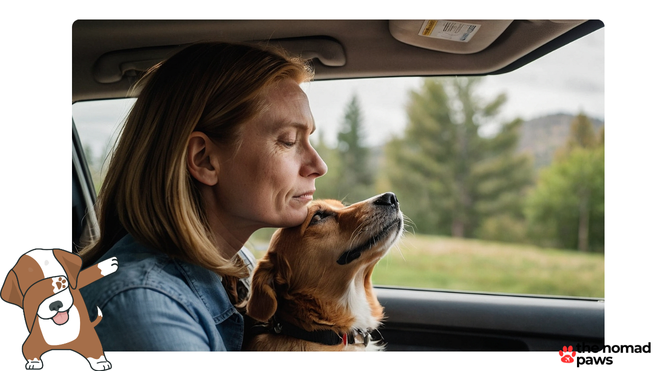

Can dogs ride in a travel trailer? Yes, travel trailers make excellent base camps for dogs during camping trips, but dogs should never ride inside a towed trailer while it’s moving. That distinction matters more than anything else in this guide.
When you’re traveling with your dog in a travel trailer, safety and comfort should be your top priority. Before you hit the road, make sure your dog is healthy, up to date on vaccinations, and comfortable with car rides. If they’re not used to being in a vehicle, take them on short drives first to build their confidence.
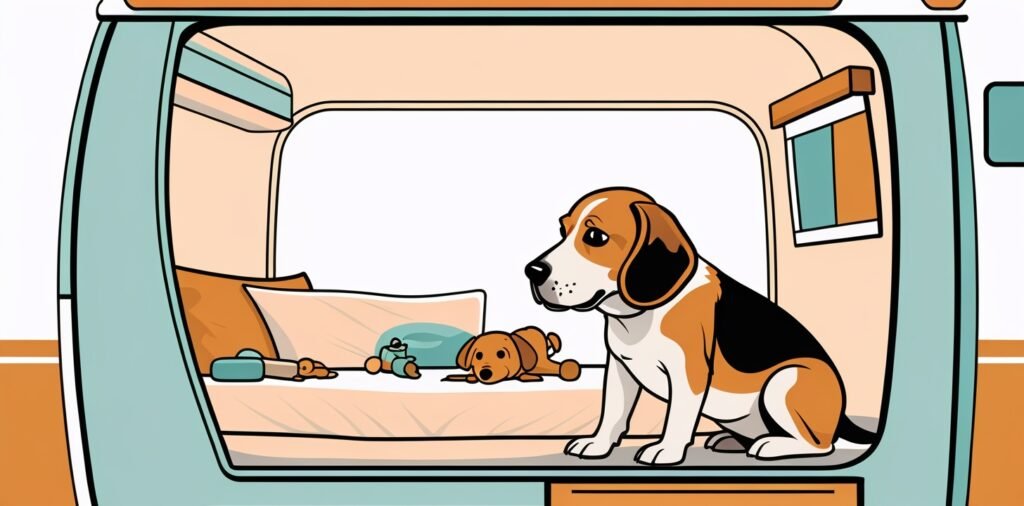
Inside your trailer, set up a dedicated spot for your dog with their favorite bed, blankets, and toys. This helps them feel settled even when you’re miles from home. Keep the trailer well ventilated, especially on hot days, and plan for plenty of breaks so your dog can stretch, relieve themselves, and drink water.

Pack all the essentials: food, water bowls, waste bags, and any medication they need. Research pet-friendly campgrounds and RV parks before you leave. Traveling with your dog in a travel trailer is all about preparation and flexibility. By creating a safe, comfortable space and staying willing to adjust your plans, you can have a genuinely great trip together.
Tip: Start with a short overnight trip before committing to a long road adventure. It lets you identify what your dog needs (and what you forgot to pack) without high stakes.
Understanding the Basics
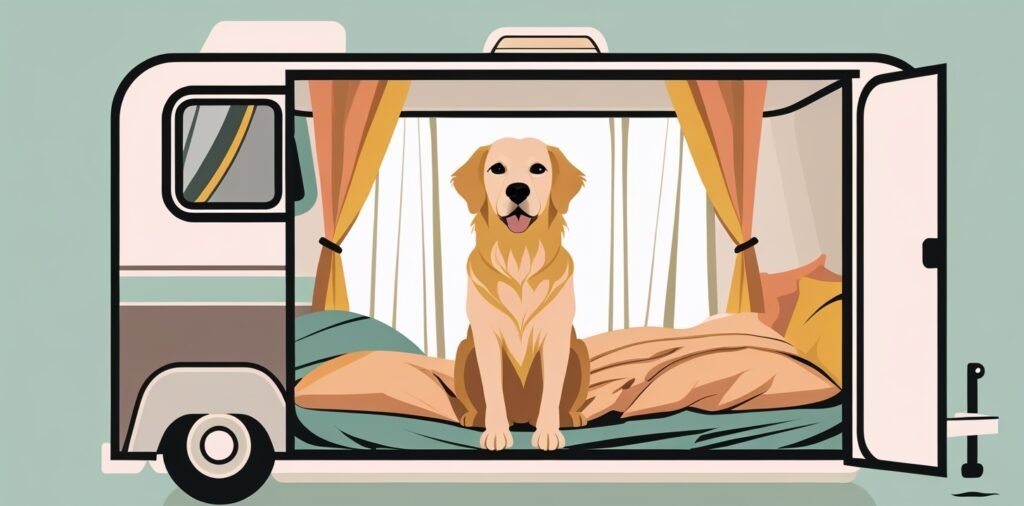
Travel trailers are towable RVs that attach to your vehicle, giving you a mobile home base for camping trips and long-distance adventures. They’re a strong option for dog owners who want the comforts of home while spending time outdoors with their pets.
What makes travel trailers particularly useful is that they typically include a sleeping area, kitchen, dining space, and bathroom. This means you can keep your dog’s routine close to normal, even when you’re far from home. Having a familiar, enclosed space also helps reduce anxiety in dogs that get unsettled by new environments.
Different trailer types suit different needs. Pop-up trailers are lightweight and easy to tow, making them ideal for short trips. Fifth wheels offer more interior space and amenities, which works well for extended stays at pet-friendly RV parks. Toy haulers include a garage area for outdoor gear, giving active dog owners room for hiking equipment, bikes, and supplies without sacrificing living space.
Is It Safe for Dogs to Ride in a Towed Travel Trailer?
No, dogs should never ride inside a towed travel trailer while driving. Experts unanimously agree it is extremely dangerous due to crash disintegration, flying debris, and exhaust buildup.
Why Riding in a Towed Trailer Is Dangerous
Travel trailers are not designed to protect occupants during a collision. In a crash, the trailer structure can buckle, separate from the tow vehicle, or roll. Unsecured objects (and animals) inside become projectiles. There are no crumple zones, no airbags, and no structural reinforcement meant to absorb impact.
Beyond crash risk, exhaust fumes can accumulate inside a trailer during transit, especially in stop-and-go traffic or when idling. Dogs are more sensitive to carbon monoxide than humans, and there’s no reliable way to monitor air quality in a trailer while you’re driving the tow vehicle up front.
Warning: Most states prohibit human passengers from riding in towed trailers, and the same safety logic applies to pets. A dog in a towed trailer has zero crash protection and no way to alert you if something goes wrong.
What State Laws Say
While no federal law specifically addresses pets in towed trailers, many states have laws requiring pets to be safely secured during transport to prevent driver distraction. California Vehicle Code 23117, for example, mandates that animals be restrained so they cannot interfere with the driver. The safest interpretation of these laws is clear: your dog belongs in the tow vehicle with you, not in the trailer behind you.
The Safe Alternative
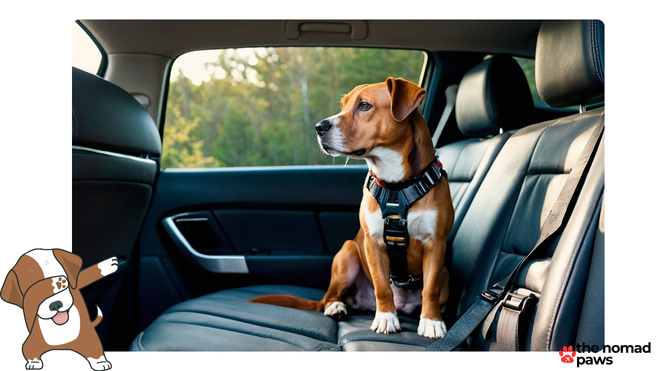
Always keep your dog in the cab of your tow vehicle during transit. Use a crash-tested crate or a certified seatbelt harness secured to the vehicle’s seat belt system. The trailer is for living in once you’ve parked. The road is for riding together in the truck.
Travel Trailer Dog Safety: Secure Restraints and Prep
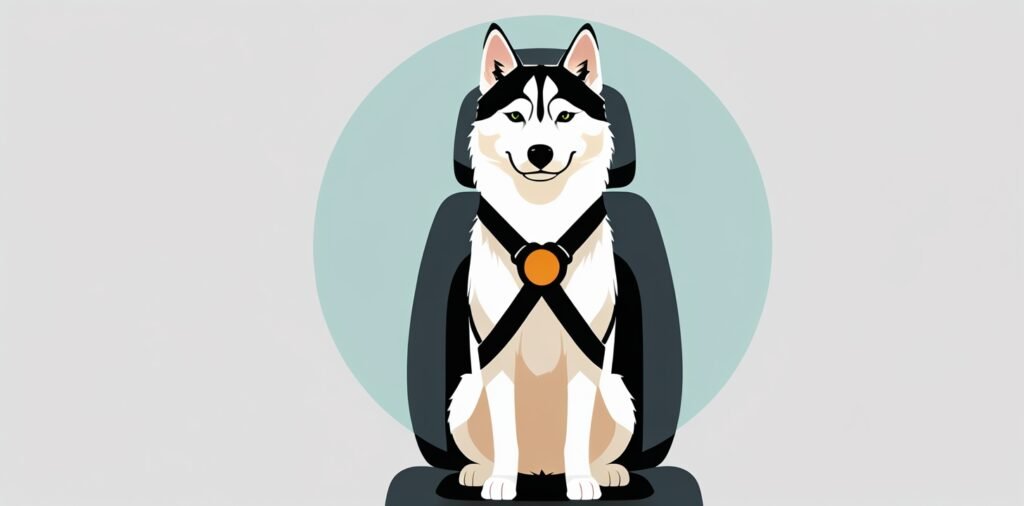
Key rule: dogs must be secured in crash-tested crates or harnesses in the towing vehicle, not the trailer, to prevent injury in accidents. Proper restraint is the single most important safety decision you’ll make before any trip.
I’ve seen what happens when dog owners let their guard down. It’s easy to think your dog will be fine just hanging out loose in the vehicle. But picture cruising down the highway when you have to slam on the brakes. An unsecured dog becomes a projectile, risking serious injury or worse. Every responsible dog owner needs to take restraint seriously.
That’s why I always use a crash-tested crate or a seatbelt harness designed specifically for dogs. Having one isn’t enough, though. You need to choose the right size for your dog and make sure it’s installed correctly. Set up a designated sleeping spot in your travel trailer for when you’re parked, and verify that airflow is adequate before every trip.
Taking these steps before you leave makes a real difference for your dog’s well-being. It’s about being prepared and putting their needs first.
How Do I Assess My Dog’s Health Before a Trip?
Schedule a vet visit before any travel trailer trip to confirm your dog is up to date on vaccinations and healthy enough for travel. This is especially important for senior dogs, puppies, or dogs with chronic health conditions.
Your vet can address specific concerns like motion sickness, anxiety, or joint problems that might affect how your dog handles the road. If your dog gets nervous or carsick easily, your vet may recommend desensitization training or medication to make the experience more manageable.
You also need to honestly evaluate your dog’s temperament. Some dogs genuinely don’t enjoy travel, and no amount of preparation changes that. If your dog shows extreme stress responses (excessive drooling, trembling, refusal to eat), talk to your vet or a certified dog trainer before committing to a long trip.
How Do I Crate Train My Dog for Travel Trailer Rides?
Crate training involves selecting a properly sized, crash-tested crate and gradually acclimating your dog with positive reinforcement over short sessions. It’s one of the most effective ways to keep your dog safe and calm during transit.
Pick a crate large enough for your dog to stand up, turn around, and lie down comfortably. Start by making it a positive space with treats and favorite toys. Gradually increase the time your dog spends inside until they’re relaxed hanging out there for extended periods.
Once your dog is crate trained, you’ll have confidence knowing they’re secure while you’re driving. A calm dog in a properly secured crate is dramatically safer than one moving freely around the vehicle.
Key Takeaway: A crash-tested crate secured in your tow vehicle is the safest way to transport your dog. The crate should allow your dog to stand, turn, and lie down comfortably.
What About Seatbelt Harnesses?
Seatbelt harnesses are a solid alternative to crates, especially for dogs that don’t take well to enclosed spaces. They keep your dog secured to the vehicle’s seat belt system, preventing them from becoming a projectile during sudden stops or collisions.
When shopping for a harness, choose one that fits snugly without being restrictive. Too loose and it won’t protect your dog; too tight and it becomes uncomfortable on long drives. Always test the harness on a short drive before a major trip to make sure your dog tolerates it well.
A good seatbelt harness gives your dog a designated spot in the vehicle where they can relax and ride safely. It also prevents them from climbing into your lap or interfering with your driving.
How Do Pet Barriers Work in Travel Trailers?
Pet barriers create a contained area for your dog inside the tow vehicle or the parked trailer. They’re useful as a secondary safety measure, though they should not replace a crate or harness during transit.
Installation is straightforward. Make sure the barrier fits snugly and is securely attached with no gaps your dog could squeeze through. The main benefit is peace of mind: knowing your dog is contained in a designated area while you’re setting up camp or cooking.
The trade-off is that barriers take up space. But for dogs that need room to move around once you’re parked, they’re a practical solution.
What Other Gear Prevents Slips and Overheating?
Non-slip mats and proper ventilation systems are essential safety additions to any travel trailer used with dogs. Slippery trailer floors can cause injuries, especially when the trailer shifts during setup or in windy conditions.
Place non-slip mats near food and water bowls and in your dog’s sleeping area. Rubber, silicone, and textured mats all work well. Clean them regularly so they maintain their grip.
For ventilation, invest in quality fans or an AC unit rated for your trailer’s size. Dogs overheat faster than humans, and a poorly ventilated trailer can become dangerous quickly, even on moderately warm days. Always verify that your ventilation system is working before you leave, and monitor your dog for signs of heat stress like excessive panting or lethargy.
Making Your Travel Trailer Dog-Friendly
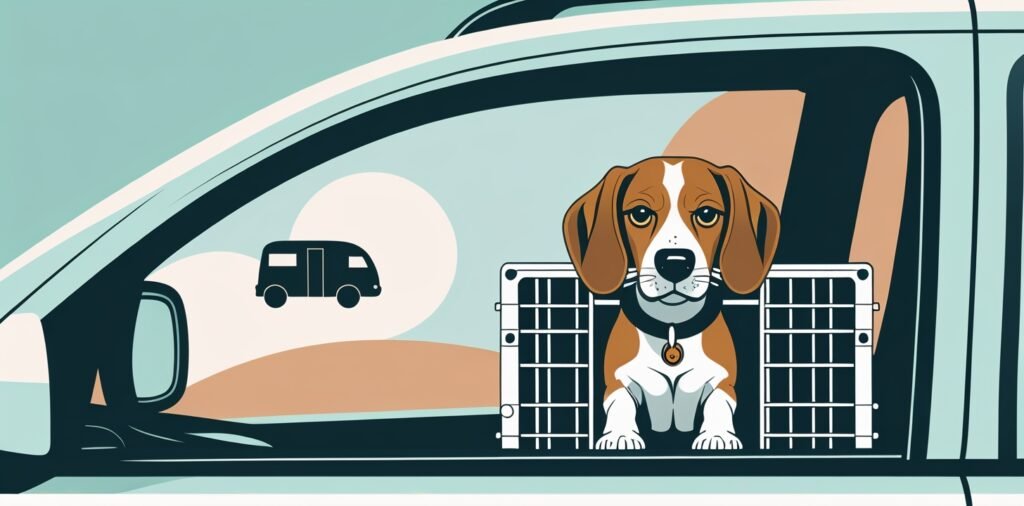
Dog-friendly trailer setup includes familiar bedding, spill-proof bowls, and routine consistency to reduce travel anxiety significantly, according to veterinary behavior specialists. The goal is to make the trailer feel like an extension of home, not a strange new environment.
When I take my dogs on the road, I make sure they have a dedicated, comfortable space inside the trailer. Their favorite toys, bedding, and treats all come along. This isn’t just about spoiling them; it’s a practical strategy for reducing stress and preventing behavioral problems during the trip.
How Should I Set Up Bedding?
Bring your dog’s regular bed or a familiar blanket from home. Orthopedic beds or portable mats work especially well, providing support that’s important for older dogs or those with joint issues.
Place the bedding in a stable spot inside the trailer where it won’t slide around. I usually position it near the center, away from walls and furniture that might shift. A secure, consistent sleeping spot helps your dog settle in faster at each new campsite.
What Toys and Chew Items Should I Bring?
Pack a mix of toys: something for playing, something for comfort, and a few durable chew toys to keep your dog occupied during downtime. Rotating toys throughout the trip keeps things interesting and prevents boredom.
Choose toys appropriate for your dog’s size and chewing strength. A broken toy or choking hazard is the last thing you want to deal with on the road. Familiar toys from home also provide comfort in an unfamiliar setting.
How Do I Handle Feeding and Hydration on the Road?
Use spill-proof, easy-to-clean portable bowls for both food and water. Store food in airtight containers to keep it fresh and save space in the trailer.
Always make sure your dog has access to fresh water, and refill bowls frequently throughout the day. Dehydration can sneak up on dogs quickly, especially in warm weather or at higher elevations. Stick to your dog’s regular food to avoid digestive issues; a road trip is not the time to experiment with new brands.
Tip: Bring extra water from home for the first few days. Some dogs are sensitive to changes in water source, which can cause stomach upset at the worst possible time.
How Can I Reduce My Dog’s Travel Anxiety?
Bring your dog’s favorite blankets, toys, and bed from home. Those familiar scents work powerfully to help dogs feel less anxious in new surroundings. Creating a cozy, recognizable space inside the trailer is one of the simplest and most effective things you can do.
A relaxed dog is less likely to get into trouble or become a distraction. If your dog shows persistent anxiety despite familiar items, talk to your vet about calming supplements or other interventions before the trip.
Why Does Routine Matter During Travel?
Dogs thrive on predictability. Keep feeding, walking, and bedtime schedules as consistent as possible, even on the road. This helps your dog feel secure and significantly reduces anxiety during what is, from their perspective, a series of unfamiliar situations.
It takes extra planning to maintain a routine while traveling, but the payoff is a calmer, happier dog. Try to walk your dog at the same times each day and feed meals on their normal schedule, adjusting only as much as necessary for driving logistics.
Legal and Regulatory Considerations
U.S. states vary in their pet transport laws. California Vehicle Code 23117, for example, requires pets to be secured to avoid driver distraction. No federal pet trailer riding law exists, but many states have regulations that effectively prohibit unsecured animals in vehicles.
Each state and city can have different rules, so you need to do your research before crossing state lines. Some states require specific types of restraints; others focus on distraction prevention. The safest approach is to always keep your dog secured in a crash-tested crate or harness in the tow vehicle, which satisfies virtually every state’s requirements.
Before any trip, spend time researching current pet travel laws for each state on your route. Official state websites are the most reliable source, and several travel apps compile this information in one place. Getting caught off guard by a regulation you didn’t know about can mean fines, delays, or worse.
Warning: Breed-specific legislation varies by city and county. Some destinations restrict or ban certain breeds entirely. Check local ordinances for every stop on your route, not just your final destination.
Pet Policies at Campgrounds and RV Parks
Most campgrounds and RV parks have specific pet policies covering leash requirements, breed restrictions, and designated pet areas. Knowing these rules before you arrive prevents unpleasant surprises.
The most common policy is a leash requirement whenever your dog is outside your trailer. Many parks also limit the number of pets per site and may restrict certain breeds they consider aggressive. Some campgrounds charge additional pet fees or require proof of vaccination at check-in.
The key is finding pet-friendly campsites that genuinely welcome dogs and offer amenities like dog runs, waste stations, and walking trails. Always follow campground rules: clean up after your dog, manage barking, and respect other campers’ space. Being a responsible pet owner at campgrounds helps keep these places welcoming for everyone who travels with dogs.
How to Find Pet-Friendly RV Parks
Finding pet-friendly RV parks is easier than it used to be, thanks to dedicated apps and websites. Campendium lets you filter campgrounds by pet policy and read reviews from other dog owners. The Dyrt and RV Life are also useful for identifying parks with dog-friendly amenities.
When evaluating a campground, look beyond the basic “pets allowed” label. Check for details like off-leash areas, nearby hiking trails, shade availability, and proximity to veterinary clinics. A park that technically allows dogs but has no green space or shade isn’t going to be a great experience for your pet.
Call ahead to confirm policies, especially during peak season when some parks tighten restrictions. Having a backup campground in mind is always smart when traveling with a dog.
On-the-Road Tips for Dogs in Travel Trailers
Successful travel trailer trips with dogs come down to three things: smart packing, a realistic driving schedule, and attentive monitoring during stops. This section breaks each one down.
Pre-Trip Packing Checklist
A thorough packing list prevents the scramble of realizing you forgot something essential three hours into a drive. Here’s what to bring for your dog:
- Food (enough for the trip plus two extra days), airtight storage container, and spill-proof bowls
- Leash, collar with ID tags, and waste bags
- Crash-tested crate or seatbelt harness
- Favorite bedding, blanket, and two or three rotating toys
- Medications and any supplements on their regular schedule
- Pet first-aid kit (bandages, antiseptic wipes, tick remover, styptic powder, emergency blanket)
- Printed copies of vaccination records and your vet’s contact information
- Microchip registration details and a recent photo of your dog
- Grooming supplies (brush, nail clippers, paw wipes)
- Non-slip mats for the trailer floor
Key Takeaway: Always carry printed copies of your dog’s health records. Digital files are great until you’re in an area with no cell service and need to show proof of vaccination at a campground check-in.
Complete Dog Travel Packing Checklist and Apps
Beyond physical supplies, a few apps make travel with dogs significantly easier. The iExit app shows pet-friendly rest stops and services at upcoming highway exits. Campendium helps you find and filter campgrounds by pet policy. The Pet First Aid app from the American Red Cross provides step-by-step emergency instructions. If you need a pet sitter for a day trip that isn’t dog-appropriate, Rover connects you with vetted local sitters.
Keep your dog’s microchip registration current with your phone number and an emergency contact. Print a card with your dog’s name, your contact info, and any medical needs, and attach it to their crate. These small steps make a big difference if you and your dog get separated.
On-the-Road Schedule
Plan stops every two hours so your dog can relieve themselves, drink water, and move around. This frequency works for most adult dogs; puppies and senior dogs may need more frequent breaks.
Before leaving, research rest areas along your route that allow pets. Many highway rest stops have designated dog areas with waste bags and trash cans. Avoid letting your dog out in unfamiliar areas without a leash, even if they have excellent recall at home. New environments bring new distractions and hazards.
Keep driving days reasonable. Marathon 12-hour drives are stressful for dogs even with regular stops. If your trip requires long distances, break it into shorter driving days with overnight stops where your dog can truly decompress.
During Stops and Monitoring
Watch your dog’s behavior and energy levels throughout the trip. Signs of stress include excessive panting, drooling, whining, refusal to eat, or unusual stillness. If you notice any of these, extend your break and give your dog extra time to settle.
Pet cameras are useful for monitoring your dog inside the trailer when you step away briefly. GPS trackers provide peace of mind if your dog is an escape artist or tends to bolt in new environments. These tools supplement your attention; they don’t replace it.
The most important thing is staying alert. If something seems off with your dog, trust your instincts and take action. A quick vet visit on the road is always better than ignoring a problem that gets worse.
Wildlife Safety and Heat Stroke Prevention
Keep your dog on a leash during all walks and hikes, especially in areas with wildlife. Bear bells or other noise makers can help alert animals to your presence. In regions with bears, coyotes, or venomous snakes, stay on marked trails and keep your dog close.
Avoid letting your dog drink from standing water, which can harbor blue-green algae (cyanobacteria) that is toxic and potentially fatal to dogs. Stick to fresh water you’ve brought from home or a known safe source.
Heat stroke is a serious risk in travel trailers, even on days that don’t feel extremely hot. If you need to leave your dog in the trailer briefly, use an RV temperature monitor like MarCell or Temp Stick that sends alerts to your phone if the interior temperature exceeds a safe range. Never rely on cracked windows alone to keep a trailer cool.
Warning: Blue-green algae in ponds, lakes, and slow-moving streams can kill a dog within hours of exposure. If water looks green, slimy, or has a foul smell, keep your dog away from it entirely.
Final Checklist: Happy RV Travel with Dogs
Traveling with your dog in a travel trailer is a rewarding experience when you prioritize preparation and safety. The core principles are straightforward: your dog rides in the tow vehicle (never the towed trailer), secured in a crash-tested crate or harness. The trailer is their comfortable home base once you’re parked.
Before hitting the road, research pet travel laws for every state on your route, confirm campground pet policies, and pack thoroughly. Maintain your dog’s routine as closely as possible, stop every two hours, and monitor their behavior for signs of stress or overheating.
Can dogs ride in a travel trailer? Absolutely, once you’ve arrived and set up camp. With the right preparation, the right gear, and a willingness to adjust your plans around your dog’s needs, you’ll both have a great time. The extra effort is worth it.
Frequently Asked Questions
These are the most common questions dog owners ask about travel trailer trips with their pets.
Can dogs ride in a travel trailer while it’s being towed?
No. Dogs should never ride inside a towed travel trailer. The trailer offers no crash protection, and exhaust fumes can accumulate during transit. Your dog should always ride in the cab of the tow vehicle, secured in a crash-tested crate or seatbelt harness.
What is the safest way to restrain a dog during travel?
A crash-tested crate or a certified seatbelt harness secured to the tow vehicle’s seat belt system. Both options prevent your dog from becoming a projectile during sudden stops or collisions. Choose based on your dog’s size, temperament, and comfort level.
How often should I stop for my dog during a road trip?
Every two hours is a good baseline for adult dogs. Puppies and senior dogs may need stops more frequently. Each break should include water, a bathroom opportunity, and a few minutes of movement.
Are there laws about traveling with dogs in RVs?
Yes, though they vary by state. Many states require pets to be secured during transport to prevent driver distraction. California Vehicle Code 23117 is one well-known example. Research the specific laws for every state on your route before you leave.
Can I leave my dog alone in the travel trailer?
For short periods, yes, with precautions. Use an RV temperature monitor that alerts your phone if the interior gets too hot or cold. Make sure ventilation or AC is running, leave water available, and never leave your dog unattended for extended periods. Check campground rules, as some prohibit leaving pets unattended.
How do I find pet-friendly campgrounds?
Apps like Campendium, The Dyrt, and RV Life let you filter campgrounds by pet policy. Always call ahead to confirm specific rules about breed restrictions, leash requirements, pet fees, and the number of dogs allowed per site.