

7 Pet Relocation Mistakes to Avoid for a Smooth Move (2025)
The first time we moved across borders with a dog and two anxious cats, the boxes were the easy part. The hard part was lying awake at night wondering if the airline would deny boarding, if the paperwork was correct, and if our pets would panic in a crate they barely knew. That mix of love and worry is exactly why avoiding common pet relocation mistakes matters so much.
Relocating with pets is not as simple as packing their bed and filling a food bowl. There are health rules, airline policies, timing rules for paperwork, crate standards, and emotional needs to consider. A missed signature or a wrong date on a health certificate can mean quarantine. A rushed introduction to a new home can trigger weeks of stress or behavior changes.
Even very careful pet parents can stumble into denied boarding, cancelled flights, quarantine holds, or a frightened animal who refuses to eat or use the litter box. At The Nomad Paws, we have seen how small oversights snowball into big setbacks, and we have also seen how a clear plan turns a scary move into a controlled, manageable project.
In this guide, we walk through seven common mistakes that derail moves and how to avoid each of them. We will talk about timelines, transport choices, health documents, crate training, moving‑day safety, new‑home introductions, and post‑move routines. By the end, you will have practical steps backed by real‑world experience, so your next relocation with your pet feels organized, predictable, and far less stressful.
Key Takeaways
-
Starting preparations late shrinks your options, raises costs, and makes the move far more stressful than it needs to be.
-
Choosing a transport method based only on price or speed can put your pet’s health and comfort at risk.
-
Sloppy or incomplete health documentation is one of the main reasons pets face denied boarding, quarantine, or travel delays.
-
Skipping crate and carrier acclimation turns the crate from a safe space into a frightening box on the very day your pet needs comfort most.
-
Letting pets loose during moving day chaos raises the chance of escape, injury, and sky‑high stress for everyone involved.
-
Rushing full access to the new home overwhelms pets who need gradual exposure to feel safe and confident.
-
Ignoring post‑move routines and stress signals can let small behavior issues grow into long‑term problems that are harder to fix.
Mistake 1: Failing to Plan and Prepare Far Enough in Advance
When we talk with pet parents whose moves went badly, this is the pattern we see most: they started late. They assumed a few weeks would be enough, then found out that vets were booked, flights were full, and health documents had strict timing windows. For most pet relocations, two to four months of lead time is far safer than a last‑minute rush, especially once you add in vaccinations, blood tests, crate training, and space on flights or with a transport company. Seasonal demand makes it tighter still, since airlines often limit pet travel during very hot or very cold periods.
At The Nomad Paws, we build timelines around real requirements instead of guesswork. Country‑specific checklists show what to start months ahead, what belongs in the last weeks, and which steps simply cannot be squeezed. With a sensible plan, your pet feels a gradual build‑up instead of a sudden earthquake of change.
The Hidden Costs of Procrastination
Late planning narrows choices and raises costs: you may pay premium fares, rush fees for documents, or extra vet visits to fix avoidable errors. You also lose time for slow crate training, which can turn travel day into a frightening shock with more barking, panting, or accidents.
Creating Your Personalized Moving Timeline
Use simple phases to keep things clear:
-
Three to Four Months Before Departure – Check rules for your destination, book an initial vet visit, and put the travel crate in a common area so your pet can explore it.
-
Two to Three Months Before Departure – Reserve flights or ground transport, update vaccinations, and research veterinarians near your new home.
-
One Month Before Departure – Schedule the health certificate visit in the correct window and add short car rides in the crate.
-
Final Two Weeks – Pack a pet go‑bag, confirm bookings, and set up a safe room for moving day. For strict destinations or exotic pets, start even earlier; The Nomad Paws timelines help you adjust the details.
Mistake 2: Choosing an Unsuitable Transportation Method
There is no single “best” way to move a pet. What works for a healthy adult dog on a short domestic trip may be wrong for an elderly cat or a parrot flying overseas. When owners focus only on price or speed and ignore their pet’s health, species, and temperament, they risk a trip that is harsh or unsafe.
We usually consider four paths: professional pet transport services, airline cargo, DIY road trips, and specialized transport for exotic animals. Each option has trade‑offs, so we always frame this as a welfare decision first, logistics second. At The Nomad Paws, we compare these choices in depth so you can match the method to your pet instead of forcing your pet into a plan that does not fit.
Professional Pet Transport Services: When to Invest
Professional transport is worth considering for international relocations, multi‑pet households, military and corporate moves, or animals with medical needs. A good company offers climate‑controlled vehicles, trained handlers, and clear communication, but this comes at a higher cost. Look for proper licensing, insurance, written health and safety protocols, and honest reviews; The Nomad Paws guides list key questions to ask before trusting anyone with your pet.
Airline Cargo: Understanding the Risks and Requirements
Airline cargo is often the only realistic route for long‑distance or overseas pet relocation, but it must be planned carefully. Check airline rules on temperature, breed restrictions, and crate standards, and choose direct flights that avoid extreme heat or cold. Some pets—such as flat‑faced breeds or animals with heart or breathing issues—may be safer in the cabin or on the road, and The Nomad Paws air travel guides help you weigh those choices.
DIY Road Trips: Making It Work for Your Pet
Road trips work well for pets who relax better by your side than in a cargo hold. Plan a route with pet‑friendly hotels, limit driving to six to eight hours a day, and schedule breaks every two to three hours. In the car, pets should ride in a secured crate or crash‑tested harness, never loose on laps or in the front seat, and practice drives beforehand help nervous travelers adjust.
Specialized Transport for Exotic Pets
Reptiles, birds, and amphibians often need strict control of temperature, humidity, and light, plus permits such as CITES or state‑specific approvals. For these species, specialized transport is usually necessary. Ask about the transporter’s experience with your species, their climate‑control equipment, and their permitting process, and start early; The Nomad Paws exotic pet guides summarize the latest rules.
Mistake 3: Mishandling Health Documentation and Identification
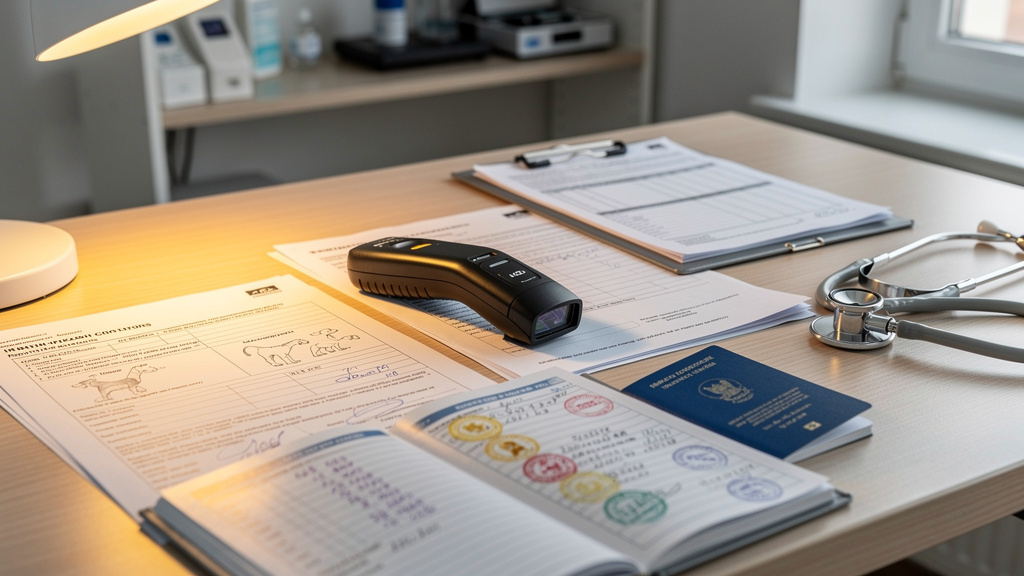
Paperwork is rarely the fun part of moving with pets, but it is the part that prevents the most problems. Documentation mistakes are a leading cause of denied boarding, quarantine holds, and last‑minute cancellations. Rules change by country, by state, and sometimes even by airline or ferry company, and “almost right” does not count.
“When it comes to pet travel, paperwork errors cause more delays than medical issues.”
— Dr. Laura Kim, DVM
A rabies shot on the wrong date, a missing microchip number, or a health certificate outside its valid window can all stop your move. That is why we rely on The Nomad Paws for country‑specific requirement guides and work closely with an accredited veterinarian who understands travel rules.
Certificate of Veterinary Inspection (CVI): Timing Is Everything
The Certificate of Veterinary Inspection, often called a health certificate, is required for most airline travel and for many interstate and international moves. It usually stays valid for only ten to thirty days, depending on the route and carrier. Schedule the appointment inside that window, make sure details like microchip number and vaccination dates are correct, and allow time for USDA endorsement when needed.
State and Country-Specific Import Requirements
Inside the United States, some states ask for extra vaccinations, parasite treatments, or microchip rules, and may have limits on certain species or ages. Internationally, countries can require ISO‑standard microchips, rabies titer tests, specific parasite treatments, and government stamps issued in a strict order. We cross‑check official government sites, embassy pages, and The Nomad Paws regulatory guides so nothing important is missed.
Microchip and ID Tag Updates: Your Pet’s Lifeline
Moves are when pets slip away most easily, so updated identification is a first‑week task. Confirm that the microchip is readable and registered with your current phone number and address, and replace old collar tags with ones that show up‑to‑date contact details. Those simple steps give a lost pet the best chance of getting home fast.
Mistake 4: Skipping Crate and Carrier Acclimation
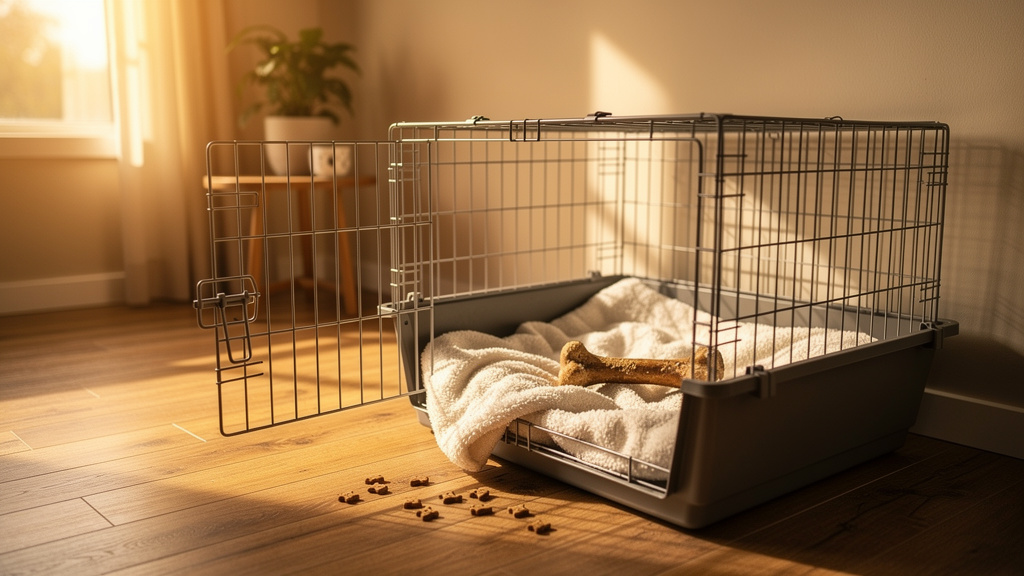
If your pet only sees a crate on vet day, they are unlikely to see it as a safe place during a long move. For many animals, the crate becomes their main “room” while they travel—whether that is in a car, plane, or transport van—so skipping acclimation means asking them to accept confinement, noise, and motion all at once.
We prefer to treat the crate as a mobile bedroom. When pets explore it freely, nap inside, and enjoy treats there, it stops feeling like a box and starts feeling like a den.
“A crate your dog loves at home becomes a security blanket on travel day.”
— Sarah Gomez, Certified Dog Behavior Consultant
Proper acclimation also matches airline and transport rules, since many carriers insist on specific crate types and sizes. Buying the right crate early lets you build comfort in the exact space your pet will use later.
The Gradual Acclimation Process
Spread crate training over several weeks:
-
Curiosity Stage – Place the open crate in a common room and toss in treats or toys so your pet explores it without pressure.
-
Meals in the Crate – Feed meals inside with the door open, then close it briefly while you sit nearby and speak calmly.
-
Short Practice Trips – Increase closed‑door time and add short car rides, keeping sessions brief and backing up a step if your pet seems overwhelmed.
Selecting the Right Crate: Safety and Compliance
For air travel, most airlines follow IATA standards that call for a hard shell, strong metal hardware, a solid roof, and plenty of ventilation. Your pet should be able to stand, turn around, and lie down comfortably, but not slide across the floor. Choose secure food and water dishes that attach to the door and absorbent bedding that does not block vents. The Nomad Paws crate guides help you pick models and sizes that meet both airline rules and your pet’s needs.
Mistake 5: Creating a Chaotic and Unsafe Moving Day Environment
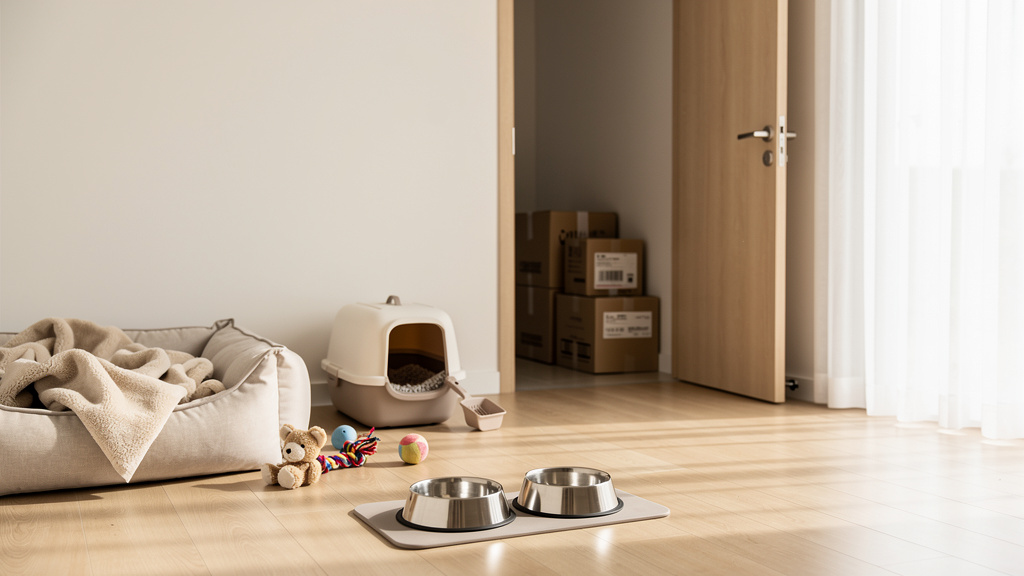
Moving day is noisy and chaotic: doors propped open, strangers carrying furniture, rooms disappearing piece by piece—all factors that trigger fear and anxiety responses in pets according to recent veterinary research on Tools for Approach of stress management in domestic animals. From a pet’s point of view, this can feel like an invasion, and a normally calm animal may bolt, hide, or react defensively if they are in the middle of it all.
That is why we treat the safe room strategy as standard, not optional. By setting aside one quiet, closed space with familiar items, you give your pet a bubble of security while the rest of the home turns upside down. For very anxious animals, off‑site care can be even better. The Nomad Paws moving‑day checklists bring all of this together.
Establishing a Secure Safe Room
Choose a room that can stay untouched until it is time to leave, often a bathroom or quiet bedroom. Set up your pet’s bed, food and water bowls, litter box for cats, and a few favorite toys or blankets. Put a sign on the door asking movers and family not to open it, explain the plan, and use white noise or soft music to cover bangs and voices. Move your pet out only after the movers are gone and doors and gates are closed.
Off-Site Care as the Gold Standard
For some pets, even the best safe room is still too close to the action. Staying with a trusted friend or family member, or at a boarding kennel or daycare they already know, keeps them away from the chaos entirely. Reserve spots early, send their regular food and medications with clear labels, and share your contact and vet information so caregivers feel prepared.
The Essential Go-Bag
A pet go‑bag keeps vital items within reach instead of buried in a moving truck. Pack two to three days of food, treats, and bottled water, collapsible bowls, waste bags, paper towels, medications, a leash, collar with current tags, harness if used, a favorite toy or blanket, printed medical records, and a recent photo of your pet. Keep this bag with you in the car or as carry‑on.
Mistake 6: Rushing the Introduction to the New Home
After a long trip, it is tempting to let a dog or cat explore the new place right away. We want them to share our excitement and “feel at home” quickly, but this flood of new smells, sounds, and rooms can be overwhelming, especially when none of their usual safe spots exist yet.
Pets rely on familiar territory and routine to feel secure. If they get full access too fast, they may hide, lose interest in food and water, or mark indoors. We treat the first days in the new home as part of the move, not the end of it, and use a slow, controlled introduction instead.
The One-Room Strategy for Arrival
Carry your pet straight to a pre‑chosen safe room that you set up before bringing them in. This room holds their bed, litter box or pee pads, food and water, and a few familiar toys and blankets. For the first day or two, keep life centered there: sit quietly with your pet, offer gentle play and treats, and delay access to other rooms until they seem relaxed and curious rather than frozen or frantic.
Pet-Proofing Your New Space
Before opening the rest of the home, walk through it from a pet’s eye level. Look for loose cords, toxic plants, open vents, gaps behind appliances, unsecured windows or screens, and weak points in fences or gates. Move cleaning supplies, medicines, and fragile decor to safe positions and plan how to control doors, decks, and garages during the first weeks.
Managing the Outdoor Transition for Dogs
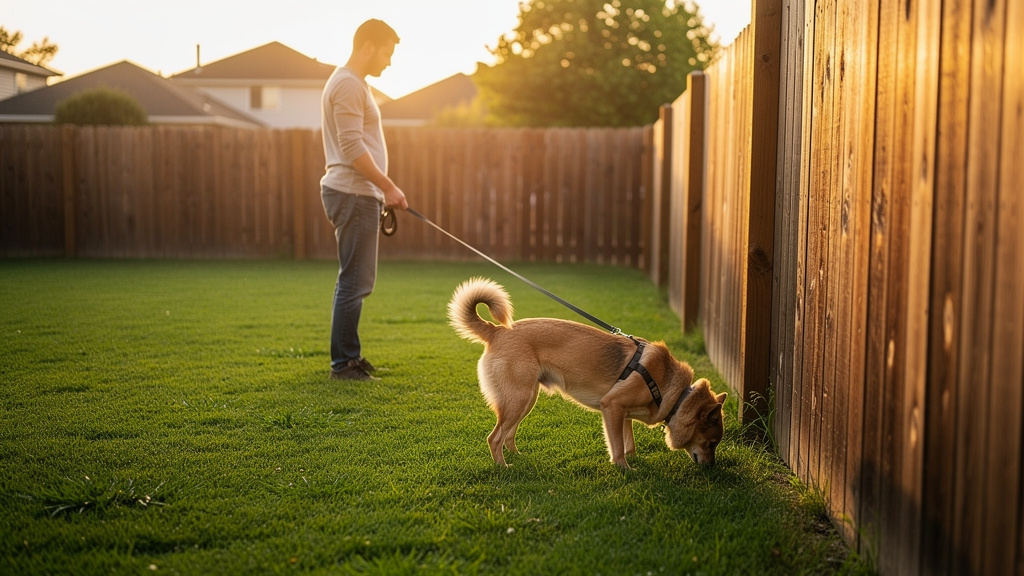
Even if your new yard is fenced, start with leashed walks only. Walk your dog around the inside of the fence so they learn the edges of their new territory and get used to local smells. Offer many short potty trips during the first days, and delay off‑leash yard time until recall is solid and your dog shows no interest in escape routes.
Mistake 7: Disregarding Post-Move Adjustment and Routine
It is easy to think the hard part is over once the boxes are unpacked. For pets, that is when the real work of adjustment begins—a process that involves complex cognitive and emotional responses, as explored in A beautiful loop: An active inference framework for understanding how animals process and adapt to new environments. They have to build new habits, learn new routes, and get used to sounds such as traffic, neighbors, or building noise. If we relax our attention too soon, we may miss early signs that they are struggling.
“Animals read routines as promises: food will come, walks will happen, people will return. The faster you rebuild those promises after a move, the faster most pets relax.”
— Dr. Nina Alvarez, Veterinary Behaviorist
We have seen pets change in subtle ways after a move: sleeping more, eating less, clinging to one person, or avoiding rooms they used to enjoy. Some chew, scratch, bark, or have accidents indoors. Treat the weeks after arrival as part of the relocation plan so small issues do not settle in as long‑term patterns.
Re-Establishing Routine and Normalcy
As soon as possible, put feeding times back on their old schedule with the same portions and type of food. Walks or outdoor breaks should happen at familiar times, and playtime and quiet affection deserve regular spots in the day. At the same time, introduce gentle new experiences—short walks around the neighborhood, visits to nearby parks, puzzle toys, scent games, and brief training sessions—to help your pet link the new home with good things.
Recognizing and Addressing Stress Behaviors
Some stress is normal after a move. Mild clinginess, slightly lower appetite, or extra naps for a few days usually respond well to patience and extra reassurance. Worry more when you see strong or lasting changes: constant hiding, growling or snapping, loud and frequent vocalizing, chewing doors or furniture, or repeated indoor accidents after house training had been solid. If these patterns continue for more than about two weeks, contact a veterinarian and, if needed, a qualified trainer or behavior specialist.
Essential Post-Move Tasks
Alongside emotional support, handle a few admin tasks right away: update the microchip registry with your new address and phone number, swap collar tags for ones with current contact details, find a new veterinarian and note the nearest emergency clinic, and update insurance or local registration to match your new home. The Nomad Paws settling‑in checklists make it easy to track these items.
Conclusion
Moving with a pet is more than a change of address; it is a series of decisions that shape your animal’s health, safety, and sense of security. The seven mistakes we have covered are common, but they are also easy to avoid when you have time, clear information, and a simple plan. From early preparation to careful transport choices, from accurate paperwork to patient settling‑in, each step has a clear, practical answer.
It is normal to feel nervous when you think about flights, crates, and foreign rules tied to a furry family member. We have felt that same worry and seen it in many other pet parents. The good news is that a move does not have to be chaotic or risky. When you treat it as a full process instead of a single travel day, problems shrink and confidence grows.
At The Nomad Paws, our role is to walk beside you through that process. Our detailed relocation guides, checklists, and country‑specific rule summaries turn vague concerns into concrete tasks you can handle. With that support, the ideas behind 7 Pet Relocation Mistakes to Avoid for a Smooth Move (2025) become daily actions rather than distant advice. With thoughtful preparation and the right guidance, you and your pet can arrive in your new home feeling tired, perhaps, but safe, calm, and ready to settle in together.
FAQs
How Far in Advance Should I Start Planning My Pet’s Relocation?
We suggest at least two to three months of planning time for most domestic moves and four to six months for international relocations. Some routes with strict rules, such as rabies titer tests or quarantine options, may need even more lead time. Early in the process, research destination rules, talk with an accredited vet, and choose the right transport method. Later phases focus on crate training, booking flights or transport, and securing health certificates inside their valid window. Starting early keeps costs down, reduces last‑minute stress, and follows the same principles we use in The Nomad Paws timeline guides.
What Documents Do I Need to Relocate My Pet Domestically?
For most moves within the United States, you will need a current rabies vaccination certificate and a Certificate of Veterinary Inspection, also called a health certificate. Many states ask that this certificate be issued within about ten days of travel, so timing the appointment matters. Some destinations add extra requirements, such as specific parasite treatments or microchip rules, so always check both origin and destination state websites. Airlines may have extra forms or their own versions of health certificates. Keeping microchip paperwork and a full medical history in a folder or digital file helps both during travel and at the new vet.
Can I Sedate My Pet for Travel?
We almost never recommend sedation unless a veterinarian has reviewed the case carefully and prescribed a specific medicine. Sedation can interfere with a pet’s balance, body temperature control, and breathing, which is especially risky in airline cargo holds. Many airlines list sedated pets as a safety concern in their policies. Instead of sedation, focus on proper crate training, practice trips, and comfort items to lower anxiety. Vets can also suggest milder aids like pheromone sprays or certain calming supplements when appropriate.
What If My Pet Has Special Medical Needs or Is Elderly?
When a pet has a chronic illness, recent surgery, or age‑related issues, start with a detailed vet check well before the move. Your veterinarian can help decide whether travel is safe and what limits you should respect. For many of these pets, professional transport with climate control and trained handlers is the safer option, especially for long distances or flights. Travel with a full medical history, current medication list, and enough medicine to cover possible delays, and identify a new veterinarian at your destination ahead of time. In some cases, after honest discussion, you may decide that relocation is too hard on the animal and explore other care options instead.
How Do I Choose Between Professional Transport and Doing It Myself?
Start by looking at your pet before you look at the map. A calm, healthy dog on a medium‑length route might do well in a car with the family, while a highly anxious cat or a dog with medical needs may be better off with a trained transport team. Distance, budget, your work schedule, and your comfort with long drives all matter. Professional ground or air transport fits best for long or complicated moves, multiple animals, and owners who feel overwhelmed by managing every detail. DIY travel makes sense for shorter routes, flexible timelines, and pets who relax better close to their person. The Nomad Paws comparison guides help weigh these factors so you can match the method to your pet and your life.
What Should I Do If My Pet Shows Signs of Stress After the Move?
After a move, expect small wobbles such as mild clinginess, slightly lower appetite, or extra naps for a week or so. Respond by keeping routines steady, giving extra affection, and maintaining a quiet safe space in the home. Simple aids like pheromone diffusers, calm background music, and more walks or play often help. If stress signs become intense, last longer than about two weeks, or include aggression, heavy panting, or frequent accidents, call a veterinarian. They can check for health problems and suggest behavior support or a specialist if needed. Patience, gentle structure, and the settling‑in advice from The Nomad Paws go a long way toward helping pets feel at home again.