


You’ve probably noticed rice listed on your dog food label, or maybe your vet recommended plain rice for an upset stomach.
But is rice actually good for dogs, or is it just cheap filler that brands use to pad out their formulas?
Rice shows up in everything from premium kibble to budget brands, yet most pet food sites give you the same vague “it’s fine” answer without examining what’s actually happening nutritionally.
Today, with this guide, I am going to break down the real nutritional profile of rice, compare white versus brown varieties with actual data, and addresses safety concerns that deserve more attention than they typically get.
Digestible carbohydrate and energy source
7-8% by weight (incomplete amino acid profile)
Low (affects less than 5% of dogs)
Rice Nutrition Facts for Dogs
Rice is fundamentally a carbohydrate source, delivering approximately 4 calories per gram and consisting of roughly 80% carbohydrates by dry weight. The remaining composition includes about 7-8% protein, minimal fat (less than 1%), and varying amounts of fiber depending on processing.

White rice and brown rice differ significantly in their micronutrient profiles.
- Brown rice retains its bran and germ layers, which means it contains more B vitamins (particularly thiamin, niacin, and B6), magnesium, phosphorus, and manganese.
- White rice loses most of these nutrients during milling, though some commercial varieties are enriched to add back certain vitamins.
Neither rice variety provides complete nutrition on its own. The protein quality is incomplete, the fat content is negligible, and micronutrient density is moderate at best. Rice functions as an energy source and digestible carbohydrate base, not as a nutritional powerhouse.
Carbohydrate Content and Energy
Dogs don’t require dietary carbohydrates the way they require protein and fat, but carbs serve as an efficient energy source that spares protein for tissue maintenance and growth. Rice delivers this energy in a highly digestible form that most dogs process without issue.
The glycemic index tells you how quickly a food raises blood sugar. White rice has a glycemic index of 73, while brown rice comes in at 68.
Both are considered high-glycemic foods, meaning they cause relatively rapid blood sugar spikes compared to lower-glycemic carbohydrate sources like sweet potatoes or lentils. For most healthy dogs, this isn’t problematic. For diabetic dogs or those prone to weight gain, consider lower-glycemic alternatives.
Protein Quality in Rice
Rice protein sits around 7-8% by weight, which sounds modest but isn’t negligible when rice makes up 30-40% of a dog food formula.
The problem isn’t quantity but quality.
Rice protein is deficient in lysine, an essential amino acid that dogs must obtain from their diet. The biological value of rice protein (how efficiently the body uses it) is lower than animal proteins like chicken or fish.
This is why rice should never serve as a primary protein source in dog food. When you see rice listed as the first ingredient, that formula is relying heavily on other ingredients to meet protein requirements.
Rice protein does complement other proteins reasonably well. When combined with animal proteins that are rich in lysine, the amino acid profile balances out. This is standard practice in commercial dog food formulation, though it means you need to evaluate the entire ingredient list rather than focusing on rice alone.
Fiber and Digestibility
White Rice
Contains minimal fiber, typically around 0.5-1% by weight. Digestibility rates often exceed 90%, making it highly suitable for dogs with diarrhea or sensitive stomachs. The lack of fiber means less work for the digestive system and firmer stools.
Brown Rice
Provides 2-4% fiber due to its intact bran layer. This additional fiber supports gut health by feeding beneficial bacteria and promoting regular bowel movements. However, the insoluble fiber can irritate sensitive guts or those recovering from digestive upset.
White Rice vs Brown Rice for Dogs: What Actually Matters
The white versus brown rice debate gets oversimplified in most pet food discussions. You’ll see brown rice labeled as “healthier” without context about when that’s true and when it’s not.
The reality depends on your dog’s specific needs and digestive capabilities.
Processing and Nutrient Loss
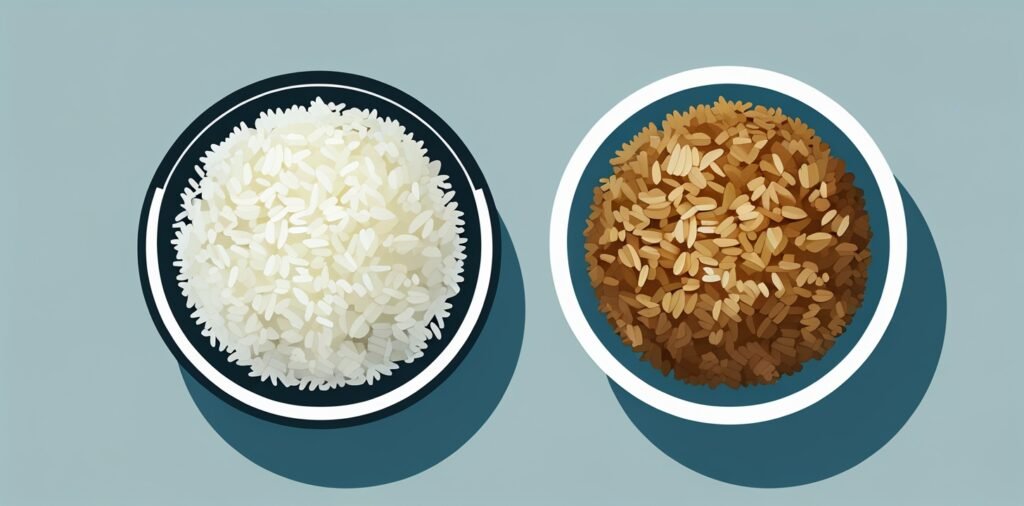
Brown rice is the whole grain: bran, germ, and endosperm intact. White rice is what remains after milling removes the bran and germ layers. This processing strips away most of the B vitamins, minerals, and fiber, leaving primarily the starchy endosperm.
Brown rice contains 4x more than white rice
Brown rice contains 3x more than white rice
Significantly higher in brown rice
Some manufacturers add back nutrients to white rice (enrichment), but this typically only replaces a few vitamins, not the full spectrum of compounds lost during processing.
When you see “enriched rice” on a dog food label, it’s nutritionally superior to plain white rice but still inferior to brown rice in terms of micronutrient density.
Digestibility Differences That Actually Matter
White rice wins on digestibility, and this isn’t a trivial advantage. Dogs with sensitive stomachs, inflammatory bowel disease, or acute digestive upset handle white rice significantly better than brown rice.
The absence of bran means less fiber irritating the gut lining and faster, easier digestion.
Brown rice requires more digestive work. The fiber content slows digestion and can cause gas or loose stools in dogs not accustomed to it. Don’t switch a dog from white to brown rice overnight, especially if they have any digestive sensitivity.
For healthy dogs with robust digestion, brown rice provides more nutritional value without causing problems.
For dogs prone to digestive issues or those recovering from illness, white rice is the safer choice. This is why most veterinary bland diets use white rice rather than brown.
Rice Safety Concerns for Dogs

Rice is generally safe for dogs, but two concerns deserve attention: allergies and arsenic content.
Most articles mention allergies briefly and ignore arsenic entirely. Today, I won’t.
Rice Allergies and Sensitivities
Rice allergies affect less than 5% of dogs according to veterinary dermatology studies, making rice one of the less common food allergens. Dogs are far more likely to develop allergies to beef, dairy, chicken, or wheat than to rice.
Common Rice Allergy Symptoms in Dogs
- Itching, especially around the face, paws, and ears
- Digestive upset including vomiting or diarrhea
- Skin irritation or hot spots
- Chronic ear infections
If you suspect a rice allergy, an elimination diet is the gold standard for diagnosis. Remove all rice-containing foods for 8-12 weeks and monitor for symptom improvement. Then reintroduce rice and watch for symptom recurrence. Alternatives for rice-sensitive dogs include sweet potatoes, oats, or grain-free formulas using legumes or potatoes.
Arsenic Content in Rice: The Overlooked Issue
Rice accumulates arsenic from soil and water more readily than other grains. This isn’t a conspiracy theory or fringe concern. The FDA has documented arsenic levels in rice and rice products, including pet foods.
Arsenic exists in two forms: organic (less toxic) and inorganic (more toxic and potentially carcinogenic). Rice contains both, with inorganic arsenic being the primary concern. Brown rice typically contains more arsenic than white rice because arsenic concentrates in the bran layer that’s removed during white rice processing.
The risk for dogs depends on exposure level and duration. A dog eating rice-based food daily for years has higher cumulative exposure than a dog eating rice occasionally.
There are no established safe arsenic limits specifically for dogs, but the principle of limiting unnecessary exposure makes sense. Rotating protein and carbohydrate sources reduces this risk naturally.
Rice in Commercial Dog Food
Rice appears in dog food formulas in several forms: whole rice, rice flour, rice bran, and rice meal. Each has different nutritional implications and signals different things about the formula’s quality and intent.
Rice as a Primary vs Secondary Ingredient
Ingredient lists are ordered by weight before cooking. If rice appears as the first ingredient, it makes up the largest portion of the formula by pre-cooking weight. This isn’t automatically bad, but it means the food is carbohydrate-heavy rather than protein-focused.
Many mid-range dog foods list chicken or another protein first, followed by rice as the second or third ingredient. This typically indicates a more balanced macronutrient profile where protein sources outweigh carbohydrates.
Watch for ingredient splitting with rice. Some manufacturers list “rice,” “rice flour,” and “rice bran” separately to push each lower on the ingredient list, even though combined rice ingredients might outweigh the protein source.
This is legal but misleading. Add up all rice forms to understand the true rice content.
Rice Meal vs Whole Rice
Rice meal is ground rice, essentially rice flour. It’s more processed than whole rice but not necessarily lower quality. The grinding process increases surface area, which can improve digestibility slightly.
Whole rice (or “rice” without qualifiers) means intact rice grains that are cooked during the kibble manufacturing process. The nutritional difference between rice meal and whole rice is minimal.
Rice bran is the outer layer removed during white rice processing. It’s higher in fiber and nutrients than white rice but less digestible. Some formulas include rice bran specifically to boost fiber content, which can be beneficial for dogs needing digestive support or weight management.
How Much Rice Should Dogs Eat

Rice should function as part of a balanced diet, not as a dietary staple on its own. The 10% rule provides a useful guideline: treats and supplemental foods (including added rice) shouldn’t exceed 10% of your dog’s total daily calories.
For a 50-pound dog eating roughly 1,000 calories daily, that’s 100 calories from rice maximum, which equals about 0.9 ounces (25 grams) of cooked white rice. That’s roughly 2-3 tablespoons.
If rice is already a primary ingredient in your dog’s commercial food, you’re meeting their rice “quota” through their regular meals. Adding more rice as a treat or meal topper pushes carbohydrate intake higher and can contribute to weight gain, especially in less active dogs.
When feeding rice for digestive upset (the classic chicken and rice bland diet), portions shift. Veterinarians typically recommend a 1:3 ratio of protein to rice, fed in small amounts throughout the day.
This is a temporary therapeutic diet, not a long-term feeding plan. Most dogs should return to balanced commercial food within 2-3 days.
Rice Alternatives for Dogs
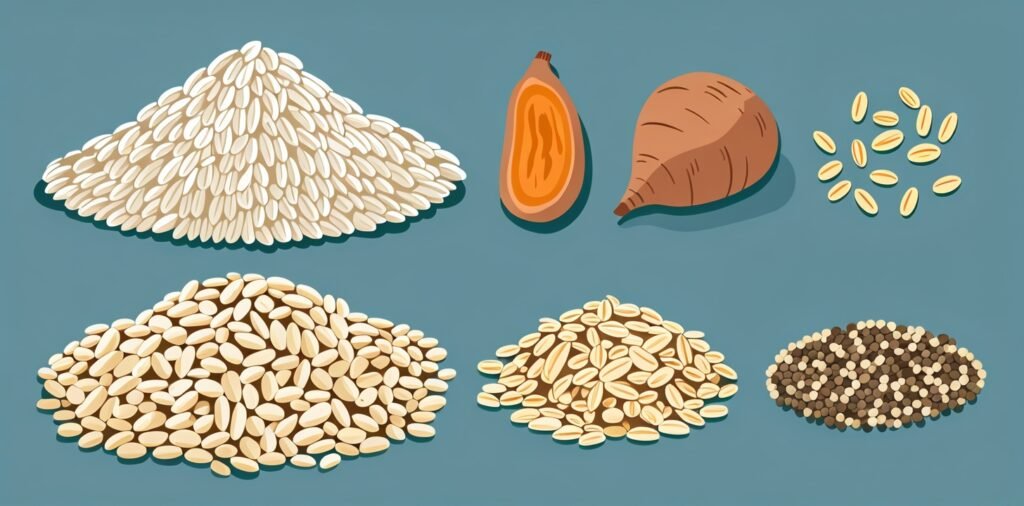
Rice isn’t the only carbohydrate option, and depending on your dog’s needs, alternatives might serve better.
Sweet Potatoes
Provide more fiber, vitamins A and C, and a lower glycemic index than rice. They’re particularly useful for dogs needing sustained energy rather than quick spikes.
Oats
Deliver soluble fiber that supports gut health and helps regulate blood sugar. They contain more protein than rice (about 13-15%) and provide beta-glucans that support immune function. Oats work well for dogs who tolerate grains but need more nutritional density than rice provides.
Quinoa
Technically a seed, not a grain, but functions similarly in dog food. It’s a complete protein source (rare for plant foods) and provides more minerals than rice. Some dogs find quinoa harder to digest than rice, so introduce it gradually.
Barley and Millet
Barley provides more fiber than rice and has a lower glycemic index. Millet is easily digestible and rich in B vitamins. Both work well in rotation diets that vary carbohydrate sources.
Grain-free options using potatoes, peas, or lentils offer alternatives for dogs with grain sensitivities. These aren’t automatically superior to rice, they’re just different. Each has its own nutritional profile and potential concerns.
The key is matching the carbohydrate source to your dog’s specific needs rather than following trends.
Frequently Asked Questions
Can dogs eat rice every day?
Yes, dogs can eat rice daily as part of a balanced commercial diet or home-prepared meals. However, rice should not exceed 10% of total daily calories when added to complete dog food. Long-term exclusive feeding of rice-based diets requires careful attention to overall nutritional balance and potential arsenic exposure.
Is white rice or brown rice better for dogs?
White rice is more digestible and better suited for dogs with sensitive stomachs or digestive issues. Brown rice provides more nutrients including fiber, B vitamins, and minerals, making it preferable for healthy dogs with robust digestion. The “better” choice depends on your individual dog’s digestive health and nutritional needs.
Can rice cause allergies in dogs?
Rice allergies are uncommon, affecting less than 5% of dogs. Symptoms include itching, skin irritation, digestive upset, and chronic ear infections. Rice is considered a low-allergen ingredient compared to common triggers like beef, dairy, and chicken.
How should I prepare rice for my dog?
Cook rice plain in water without salt, oil, butter, or seasonings. Ensure it’s fully cooked until soft, then cool to room temperature before serving. Undercooked rice is harder to digest and can cause stomach upset.
Is rice in dog food good quality?
Rice quality in dog food varies by manufacturer and processing method. Look for whole grain rice or rice meal from identifiable sources rather than generic “rice” or heavily processed rice byproducts. Reputable brands typically use food-grade rice similar to human consumption standards.
Can puppies eat rice?
Yes, puppies can eat rice starting around 8 weeks of age when they begin transitioning to solid food. Introduce rice gradually in small amounts appropriate for their size. Rice should be fully cooked and served plain as part of a balanced puppy diet.
Does rice help with dog diarrhea?
Plain white rice can help firm up stools due to its binding properties and easy digestibility. Veterinarians commonly recommend a bland diet of boiled chicken and white rice for dogs with acute diarrhea. This is a short-term solution (2-3 days), not a long-term diet. Persistent diarrhea requires veterinary attention.
This article is for informational purposes only and does not replace professional veterinary advice.