


Your dog’s digestive health shapes everything from their energy levels to their coat quality, yet most advice about canine digestion stays frustratingly vague.
You’ll read about “high-quality ingredients” and “balanced nutrition” without learning which specific components actually support gut health and which ones trigger problems.
This guide examines the ingredient-level details that matter for dog digestive health diet choices, including the science behind protein digestibility, the truth about probiotics in commercial food, and the fiber types that actually make a difference.
Dog Digestive Health Diet: Key Facts
2-4% for most dogs
75-95% depending on source
7-10 days minimum
How Dog Digestion Actually Works
The canine digestive system processes food fundamentally differently than yours does. The average dog’s digestive transit time is 6-10 hours compared to 24-72 hours in humans. This rapid processing means dogs extract nutrients quickly but also explains why dietary changes hit them harder.

Dogs produce different digestive enzymes than humans, with higher concentrations of protease for breaking down proteins and lower levels of amylase for processing carbohydrates. Their stomach acid is significantly more acidic (pH 1-2 versus human pH 1.5-3.5), designed to break down raw meat and bone. This acidic environment also serves as a first-line defense against bacteria.
The small intestine does most of the nutrient absorption work, spanning about 3.5 times your dog’s body length. The large intestine houses the microbiome where beneficial bacteria ferment fiber and produce essential nutrients like short-chain fatty acids.
Common Digestive Issues in Dogs
Dog digestive issues manifest in recognizable patterns: vomiting, diarrhea, constipation, excessive gas, and reduced appetite. The challenge lies in distinguishing between temporary upsets that diet can fix and serious conditions requiring veterinary intervention.
Studies show that 80% of digestive upsets in dogs resolve within 48 hours with appropriate dietary management. That remaining 20% includes inflammatory bowel disease, pancreatitis, parasites, and other conditions where food changes alone won’t solve the problem. Blood in stool, persistent vomiting beyond 24 hours, or lethargy alongside digestive symptoms warrant immediate veterinary attention.
Common Causes of Digestive Problems
Food-Related Triggers:
- Sudden diet changes without gradual transition
- Ingredient sensitivities or intolerances
- Excessive fat content (above 15% in sensitive dogs)
- Contaminated or spoiled food
Non-Food Causes:
- Stress from environmental changes
- Bacterial or viral infections
- Toxin ingestion
- Underlying medical conditions
Acute vs Chronic Digestive Problems
Acute digestive problems appear suddenly and resolve quickly. Your dog eats something questionable at the park, experiences diarrhea for a day, then returns to normal. These temporary issues respond well to bland diets and gradual food reintroduction.
Chronic digestive problems persist for weeks or recur regularly. Ongoing loose stools, frequent vomiting, or constant gas indicate systemic issues rather than isolated incidents. These require investigation into ingredient sensitivities, protein sources, fiber content, and potential medical conditions. Food allergies affect less than 10% of dogs despite marketing claims, but food intolerances are more common and harder to identify without systematic elimination trials.
Ingredients That Support Dog Digestion
The best food for dog digestion depends on specific ingredients, not brand reputation or price point. Digestibility varies dramatically based on protein sources, processing methods, fiber types, and the presence of digestive aids.
Protein Sources and Digestibility
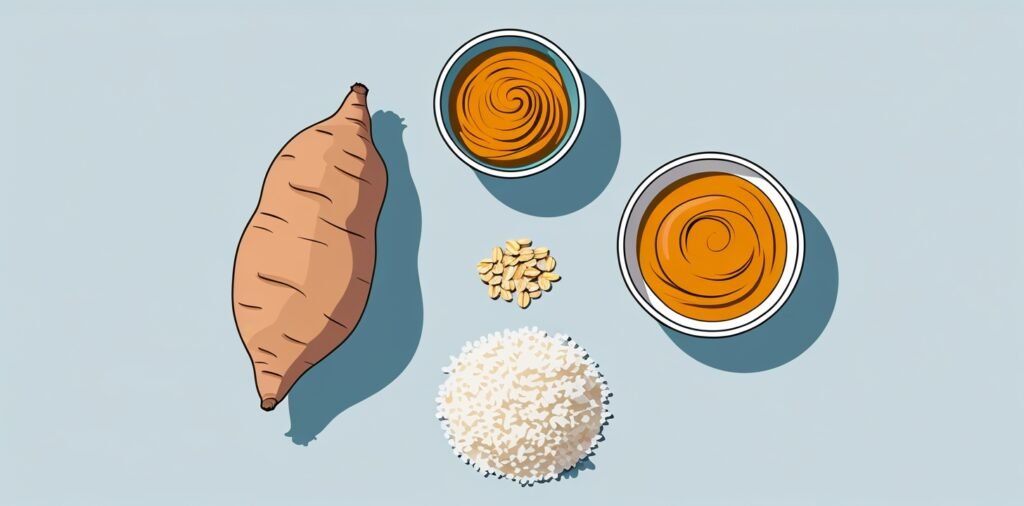
Protein digestibility in dogs ranges from 75% for plant proteins to 95% for high-quality animal proteins. This variation directly impacts how well your dog processes their food and how much waste they produce. Chicken, turkey, and fish typically rank highest in digestibility, with beef and lamb falling in the middle range.
Processing method affects digestibility as much as the protein source itself. Fresh or frozen proteins maintain more natural enzymes and structure than heavily processed meals. Chicken meal (dehydrated, ground chicken) concentrates protein but may be less digestible than fresh chicken, depending on processing temperature and quality control.
Novel proteins like duck, venison, or rabbit benefit dogs who’ve developed sensitivities to common proteins. However, these proteins aren’t inherently more digestible than chicken or fish. They simply provide alternatives for elimination diets when you’re identifying specific triggers.
Fiber Types That Actually Help
Crude fiber percentages on labels don’t tell you about fiber type, which matters more than total amount. Soluble fiber dissolves in water and ferments in the gut, feeding beneficial bacteria and producing short-chain fatty acids. Insoluble fiber adds bulk and speeds transit time.
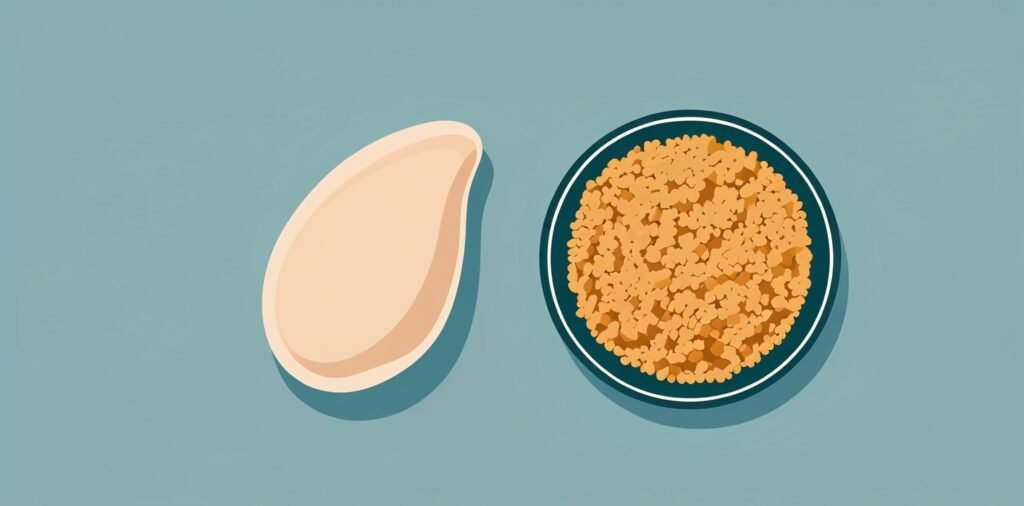
Pumpkin contains both fiber types in balanced proportions, which explains its effectiveness for both diarrhea and constipation. The soluble fiber absorbs excess water during diarrhea, while the overall fiber content adds bulk during constipation. Sweet potato works similarly but contains more sugar, which some sensitive dogs don’t tolerate well.
Beet pulp appears in many commercial foods as an inexpensive, effective fiber source. Despite internet myths claiming it’s filler, beet pulp is moderately fermentable fiber that supports gut health without causing excessive gas. Chicory root provides inulin, a prebiotic fiber that feeds beneficial bacteria but can cause gas in dogs unaccustomed to it.
For Constipation
Fiber Content: 4-6%
Type: Emphasize insoluble sources like cellulose or wheat bran
Effect: Adds bulk and speeds transit time
For Diarrhea
Fiber Content: 3-4%
Type: Moderate soluble fiber
Effect: Firms stools without slowing transit excessively
Too much fiber (above 6%) causes loose stools in most dogs regardless of type.
Probiotics and Prebiotics in Dog Food
Most commercial probiotics in dry food are dead by the time dogs eat them. The high-temperature processing required for kibble production kills live bacterial cultures. Shelf-stable probiotics need specialized microencapsulation technology to survive manufacturing and storage, which only premium brands invest in.
Specific strains matter more than total colony-forming units (CFUs). Lactobacillus acidophilus and Enterococcus faecium show the most research support for canine digestive health. Bacillus coagulans survives processing better than other strains because it forms protective spores. Check labels for strain names, not just “probiotics” or “live cultures.”
Prebiotics feed existing beneficial bacteria rather than introducing new ones. Fructooligosaccharides (FOS), inulin, and chicory root provide food for gut bacteria to multiply. Prebiotics work more reliably than probiotics in dry food because they don’t require live organisms to survive processing.
Most healthy dogs produce sufficient beneficial bacteria naturally without supplementation. Probiotics may help during antibiotic treatment, after digestive upset, during stressful periods like boarding, or for dogs with diagnosed dysbiosis. Daily probiotic supplementation for healthy dogs lacks strong evidence supporting its necessity.
Digestive Enzymes: When They Help
Healthy dogs produce adequate digestive enzymes naturally. Pancreatic enzymes break down proteins, fats, and carbohydrates efficiently without supplementation.
Exocrine pancreatic insufficiency (EPI) represents the main condition where enzyme supplementation becomes necessary. Dogs with EPI can’t produce sufficient pancreatic enzymes and require prescription enzyme powder mixed with every meal. This affects specific breeds like German Shepherds more than others and requires veterinary diagnosis.
Some senior dogs or dogs recovering from pancreatitis may benefit from temporary enzyme supplementation, but this should follow veterinary guidance. Ingredients like papaya (papain) and pineapple (bromelain) contain natural enzymes but survive processing inconsistently.
If you’re considering enzyme supplementation for general digestive support, address diet quality first. Highly digestible proteins, appropriate fiber content, and gradual food transitions solve most digestive issues more effectively than adding enzymes to poor-quality food.
Ingredients That Harm Digestion

Certain ingredients consistently trigger dog digestive issues regardless of brand or price point. Identifying these components on labels helps you avoid foods that might cause problems for sensitive dogs.
Artificial Additives and Preservatives
Synthetic Preservatives to Avoid
BHA (butylated hydroxyanisole) and BHT (butylated hydroxytoluene): Preserve fats but may disrupt gut bacteria balance. Natural alternatives like mixed tocopherols (vitamin E) and rosemary extract provide effective preservation without potential side effects.
Ethoxyquin: Another synthetic antioxidant with questionable safety profile. Banned in human food in many countries but still permitted in some pet foods.
Artificial colors (Red 40, Yellow 5, Blue 2): Serve no nutritional purpose and may trigger sensitivities. Your dog doesn’t care if their kibble is brown or rainbow-colored.
Propylene glycol: Appears in some semi-moist foods to maintain texture. Can cause digestive upset in sensitive dogs and offers no nutritional benefit.
High-Fat Content Problems
Fat content above 15% can trigger digestive upset in sensitive dogs, though many tolerate higher levels without issue. The quality of fat matters as much as quantity. Rancid fats from poor storage or low-quality sources cause more problems than fresh, high-quality fats at the same percentage.
Dogs with pancreatitis history require low-fat diets under 10% to prevent flare-ups. Even dogs without diagnosed pancreatitis may experience loose stools, vomiting, or excessive gas from foods exceeding 18-20% fat. Performance dogs and highly active breeds handle higher fat content better than sedentary dogs.
Named fat sources (chicken fat, salmon oil) indicate better quality than generic “animal fat” or “poultry fat.” Specific sources allow you to track sensitivities and ensure freshness through proper preservation.
Food Allergens and Sensitivities
Beef, dairy, wheat, chicken, and lamb cause most genuine food allergies in dogs, though allergies remain less common than sensitivities. True allergies involve immune system responses with symptoms beyond digestion including skin issues and ear infections. Food intolerances cause digestive upset without immune involvement.
Corn, soy, and wheat get blamed for digestive issues more than evidence supports. These ingredients aren’t inherently problematic for most dogs, though individual sensitivities exist. The real issue often lies in overall diet quality rather than these specific ingredients. A food with corn as the fourth ingredient and high-quality protein sources typically outperforms a grain-free food with poor protein digestibility.
Elimination diets identify specific triggers by feeding a single novel protein and carbohydrate source for 8-12 weeks. This requires strict adherence without treats, table scraps, or flavored medications. Most elimination diets fail because owners don’t maintain strict ingredient control during the trial period.
Reading Labels for Digestive Health

Ingredient lists reveal more about digestive impact than guaranteed analysis panels. The first five ingredients comprise most of the food’s content. Named meat sources (chicken, beef, salmon) in the first position indicate protein-forward formulas, while grains or meat meals first suggest different nutritional profiles.
Meat meals (chicken meal, lamb meal) aren’t inferior to fresh meat despite common belief. Fresh chicken is 70% water, so “chicken” listed first may provide less actual protein than “chicken meal” listed third after water removal. However, meal quality varies by manufacturer, and fresh meat often indicates higher overall quality control.
The guaranteed analysis shows minimum protein and fat percentages plus maximum fiber and moisture. These ranges tell you little about digestibility or quality. A food with 26% minimum protein could contain 26% or 35%, using protein sources ranging from highly digestible chicken to poorly digestible feather meal.
Look for AAFCO nutritional adequacy statements confirming the food meets standards for your dog’s life stage. “Formulated to meet” means the food follows AAFCO recipes but wasn’t tested. “Feeding trials” means dogs actually ate the food in controlled studies, providing better confidence in digestibility and nutritional adequacy.
Feeding Strategies for Better Digestion

How you feed matters as much as what you feed. Sudden diet changes cause more digestive issues than the food itself. Transition new foods gradually over 7-10 days, mixing increasing amounts with the old food. Start with 25% new food for two days, then 50% for two days, then 75% for two days, before switching completely.
Meal frequency affects digestion differently across life stages. Puppies need three to four meals daily to maintain blood sugar and support growth. Adult dogs typically do well with two meals daily, which prevents excessive hunger and reduces the likelihood of vomiting bile. Senior dogs may benefit from smaller, more frequent meals if digestive efficiency declines.
Portion sizes based on package recommendations often exceed what individual dogs need. These guidelines assume average activity levels and metabolism. Monitor your dog’s body condition and adjust portions accordingly. Overfeeding stresses the digestive system and contributes to obesity, which creates additional digestive complications.
Elevated feeders don’t prevent bloat despite popular belief, and some studies suggest they may increase risk in large, deep-chested breeds. Standard floor-level feeding works fine for most dogs. Slow-feeder bowls help dogs who eat too quickly and experience digestive upset from gulping air with food.
Water access matters for digestion. Ensure fresh water availability at all times, but don’t encourage excessive drinking immediately before or after meals in bloat-prone breeds.
When to Switch Foods vs See a Vet
Persistent digestive symptoms lasting more than three days require veterinary evaluation rather than continued diet experimentation. Blood in stool, black tarry stools, projectile vomiting, or vomiting for more than 24 hours indicate serious conditions that food changes won’t fix.
Emergency Warning Signs
- Dehydration: Check by gently pulling up skin on the back of the neck. If it doesn’t snap back immediately, your dog needs veterinary attention.
- Weight loss: A dog losing more than 10% of body weight needs comprehensive veterinary workup including bloodwork and possibly imaging or endoscopy.
- Lethargy or fever: Dogs normally maintain enthusiasm for food and activities even with minor digestive upset. Significant behavioral changes suggest conditions like pancreatitis, intestinal obstruction, or infections.
- Pain symptoms: Hunched posture, reluctance to move, or vocalization when touched indicates serious conditions requiring immediate treatment.
Try dietary solutions first for mild, intermittent digestive issues without red flag symptoms. Switch to limited ingredient diets, adjust fiber content, or modify fat levels based on specific symptoms. Give each change 2-4 weeks to show results before concluding it doesn’t work. If multiple diet trials fail to resolve chronic issues, veterinary investigation becomes necessary to rule out medical conditions.
Frequently Asked Questions
What foods are easiest for dogs to digest?
Single protein sources like chicken or fish with moderate fat content under 12% digest most easily. Limited ingredient lists without artificial additives reduce the likelihood of triggering sensitivities. Highly digestible carbohydrates like white rice or sweet potato support easy digestion better than complex grain mixtures.
How long does it take to see improvement in dog digestive health?
Acute issues may resolve in 24-48 hours with dietary changes and rest. Chronic digestive problems typically show improvement within 2-4 weeks of appropriate dietary changes. If you see no improvement after four weeks on a new diet, the food isn’t solving the problem and veterinary evaluation becomes necessary.
Do dogs really need probiotics in their food?
Most healthy dogs produce sufficient beneficial bacteria naturally without supplementation. Probiotics may help during antibiotic treatment, after digestive upset, or during stressful periods like boarding. Daily probiotic supplementation for healthy dogs lacks strong evidence, though it’s unlikely to cause harm in appropriate doses.
What percentage of fiber should be in dog food for digestive health?
Most dogs do well with 2-4% crude fiber for normal digestive function. Dogs with constipation may benefit from 4-6% fiber, emphasizing insoluble sources. Higher amounts above 6% can cause loose stools in most dogs regardless of the specific fiber type.
Can changing dog food too quickly cause digestive problems?
Yes, sudden diet changes are the leading cause of temporary digestive upset in dogs. The rapid canine digestive transit time (6-10 hours) means their systems adapt less easily than humans to new ingredients. Transition new foods gradually over 7-10 days minimum to allow gut bacteria and enzyme production to adjust.
What ingredients should I avoid for dogs with sensitive stomachs?
Avoid artificial colors and preservatives like BHA and BHT, high fat content above 15%, multiple protein sources in one food, and common allergens like beef or chicken if previously problematic. Generic meat sources and ingredient splitting also indicate lower quality that may trigger sensitivities.
How do I know if digestive issues require a vet visit?
Blood in stool, vomiting for more than 24 hours, lethargy, signs of dehydration, or symptoms lasting more than three days warrant veterinary attention. Weight loss, fever, or severe pain accompanying digestive symptoms indicate serious conditions requiring immediate professional evaluation rather than dietary experimentation.
This article is for informational purposes only and does not replace professional veterinary advice.