
If you’ve ever squinted at a dog food label and spotted “BHA” or “BHT” buried in the ingredient list, you’re probably wondering what these acronyms mean for your dog’s health.
These synthetic preservatives have sparked heated debates among pet owners, veterinarians, and nutritionists for decades.
Some dismiss them as harmless shelf-life extenders approved by regulators, while others point to animal studies linking them to cancer and liver damage.
Today, we have one mission: to cut through the marketing spin and regulatory jargon and give you the actual data on BHA and BHT in dog food, what the science says about safety, and whether you should seek out alternatives.
200 ppm (0.02%)
150 mg/kg (0.015%)
40%+ of commercial foods
What Are BHA and BHT Preservatives?
BHA (butylated hydroxyanisole) and BHT (butylated hydroxytoluene) are synthetic chemical compounds used as antioxidant preservatives in dog food.

Their primary job is preventing fats and oils from oxidizing and turning rancid, which would make food smell foul, taste bitter, and lose nutritional value. Without preservatives of some kind, the chicken fat or fish oil in kibble would spoil within weeks.
These preservatives work by interrupting the chemical chain reaction that causes fats to break down when exposed to oxygen.
They act as bodyguards for fat molecules in dog food, blocking the oxidative damage that would otherwise occur during manufacturing, shipping, and storage.
You’ll find BHA and BHT listed on ingredient panels, though sometimes they’re hidden within “vitamin premixes” or “mineral blends” rather than called out separately.
Chemical Structure and How They Work

Both BHA and BHT are phenolic compounds, meaning they contain a benzene ring with hydroxyl groups attached. This structure allows them to donate electrons to unstable fat molecules (free radicals) before those molecules can steal electrons from other fats, starting a destructive chain reaction. In chemistry terms, they’re “radical scavengers.”
BHA is actually a mixture of two isomers (3-BHA and 2-BHA), while BHT is a single compound. Both are fat-soluble, which means they dissolve into the oils and fats in dog food rather than the water content. This fat solubility makes them effective at protecting rendered animal fats and fish oils, but it also raises questions about accumulation in body tissues.
Research shows these preservatives are rapidly absorbed from the digestive tract, metabolized in the liver, and excreted in urine within 24-48 hours. Studies in dogs found no significant tissue accumulation even after six months of daily consumption, suggesting they don’t build up over time.
Why Dog Food Companies Use BHA and BHT
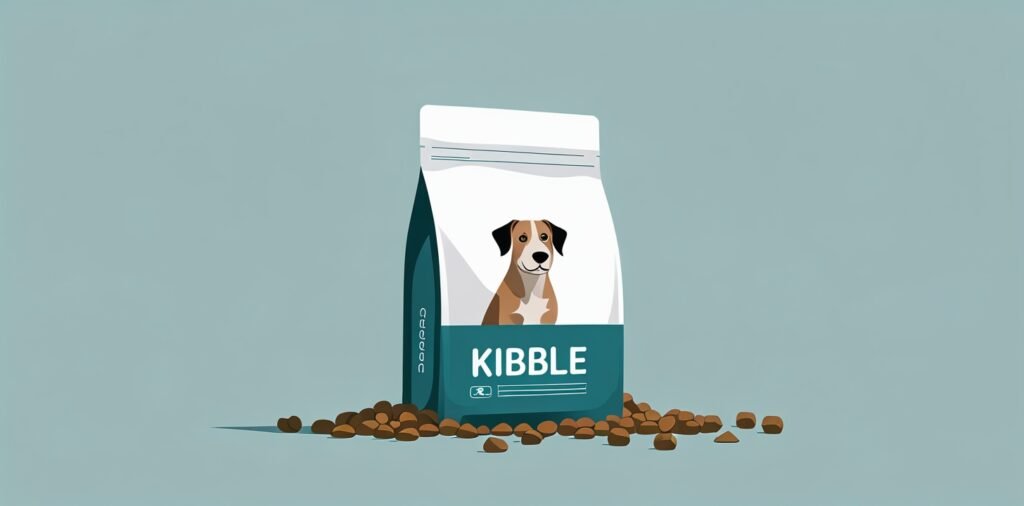
The pet food industry favors BHA and BHT for three straightforward reasons: cost, effectiveness, and shelf stability.
These synthetic preservatives are significantly cheaper than natural alternatives like mixed tocopherols (vitamin E) or rosemary extract. For manufacturers producing millions of pounds of kibble annually, the cost difference adds up quickly.
BHA/BHT Preserved
- Shelf life: 12-18 months unopened
- After opening: 6-8 weeks
- Concentration needed: 0.01-0.02%
- Heat stable: Up to 400°F+
- Cost impact: Baseline
Naturally Preserved
- Shelf life: 9-12 months unopened
- After opening: 4-6 weeks
- Concentration needed: 0.05-0.1%
- Heat stable: Up to 200°F
- Cost impact: +10-20%
From a manufacturing perspective, synthetic preservatives remain stable during the high-heat extrusion process used to make kibble. Natural preservatives can break down at temperatures above 200°F, while BHA and BHT remain effective. This reliability matters when running industrial-scale production lines.
The shift toward natural preservatives in premium dog foods has more to do with consumer perception than performance. Many manufacturers who’ve eliminated BHA and BHT acknowledge that natural alternatives require more careful formulation, better storage conditions, and acceptance of shorter shelf lives.
Safety Concerns: What the Research Actually Shows
The controversy around BHA and BHT stems from animal studies conducted in the 1980s and 1990s that found potential cancer risks at high doses.
But “high doses” is the critical phrase here. The question isn’t whether these chemicals can cause harm in extreme amounts, but whether the trace levels in dog food pose realistic risks.
The European Food Safety Authority (EFSA) conducted a comprehensive review of BHA safety in 2011, examining decades of toxicology data. Their conclusion: BHA at levels up to 150 mg per kilogram of feed shows no pathological effects in dogs based on tolerance studies. This translates to roughly 0.015% of the diet, far below levels that caused problems in laboratory settings.
Animal Studies and Cancer Links
A 1982 study by the National Toxicology Program found that BHA caused forestomach tumors in rats and hamsters when fed at 2% of their diet (roughly 1,000 mg per kilogram of body weight daily).
This is 100-200 times higher than what a dog would consume from typical kibble. The World Health Organization’s International Agency for Research on Cancer classified BHA as “possibly carcinogenic to humans” based on these animal studies.
BHT studies showed mixed results. Some found increased liver tumors in mice at very high doses, while others found no carcinogenic effects.
A six-month study specifically in dogs fed BHT at levels up to 1% of their diet (approximately 220 mg per kilogram of body weight) found no tumors in the stomach, esophagus, or liver, though the sample size was small (3-4 dogs per group).
The challenge with extrapolating these findings to real-world dog food consumption is the dose-response relationship. Toxicologists generally accept that “the dose makes the poison.” Water is toxic if you drink 6 liters in an hour, but that doesn’t make normal water consumption dangerous.
More concerning than cancer are the non-cancer effects observed at lower (but still elevated) doses. Studies in dogs found that BHA at 0.5-1% of the diet caused liver enlargement, reduced growth rates in puppies, and altered serum enzyme levels.
These effects occurred at doses 50-100 times higher than typical pet food levels, but they suggest the liver is a target organ for BHA toxicity.
Regulatory Positions: FDA vs International Views
The FDA’s position on BHA and BHT has remained largely unchanged since the 1950s when these preservatives were first approved.
The agency permits their use in animal feed and pet food at levels not exceeding 200 ppm (0.02%) individually or in combination.
Global Regulatory Limits for BHA/BHT
- United States (FDA): 200 ppm maximum in pet food, classified as GRAS (Generally Recognized as Safe)
- European Union (EFSA): 150 mg/kg maximum, restricted in human food due to carcinogenicity concerns
- Canada (CFIA): 200 ppm maximum, aligned with US standards
- Japan: Banned in human food since 1980s, permitted in pet food with restrictions
- Australia/New Zealand: Permitted with mandatory label disclosure
This regulatory patchwork reflects different approaches to risk assessment. The US tends toward “innocent until proven guilty” for food additives with long histories of use, while the EU applies more precautionary principles, restricting substances when there’s credible evidence of potential harm even if not definitively proven at typical exposure levels.
Dog Foods That Contain BHA and BHT

Reading labels is the only reliable way to know if your dog’s food contains BHA or BHT, since manufacturers aren’t required to advertise their presence. These preservatives appear most commonly in budget and mid-tier brands where cost control is paramount.
Common brands that have historically used BHA and/or BHT include certain formulas from Pedigree, Kibbles ‘n Bits, Gravy Train, and some Purina lines (though Purina has reformulated many products to use mixed tocopherols).
Store-brand dog foods from major retailers often contain these preservatives as well.
Premium brands like Orijen, Acana, Wellness, Blue Buffalo, and Taste of the Wild explicitly avoid BHA and BHT, using natural preservatives instead. These companies market this choice as a quality differentiator and charge accordingly.
Dog treats and chews are another common source. Rawhides, jerky treats, and some dental chews often contain BHA or BHT to prevent the fats from going rancid. Always check treat labels separately from your main food.
Natural Preservative Alternatives
The pet food industry has shifted significantly toward natural preservatives over the past 15 years, driven by consumer demand rather than regulatory pressure.
The most common alternatives are mixed tocopherols (vitamin E compounds), rosemary extract, and ascorbic acid (vitamin C).
Common Natural Preservatives in Dog Food
- Mixed Tocopherols (Vitamin E): Gold standard among natural preservatives. Derived from vegetable oils, includes alpha, beta, gamma, and delta tocopherols for broad antioxidant coverage. Fat-soluble and highly effective.
- Rosemary Extract: Contains carnosic acid and rosmarinic acid with antioxidant properties. Often paired with tocopherols. May impart slight herbal flavor; rare sensitivity reactions possible.
- Ascorbic Acid (Vitamin C): Water-soluble preservative that protects different food components than fat-soluble options. Often used in combination for comprehensive oxidation protection.
- Citric Acid: Works by chelating metal ions that catalyze oxidation. Less common but effective in combination formulas.
- Green Tea Extract: Rich in catechin antioxidants. Appears in some premium formulas but less common than tocopherols or rosemary.
Effectiveness and Shelf Life Trade-offs
Natural preservatives work, but they’re not as potent as synthetic alternatives. Once opened, naturally preserved foods should be used within 4-6 weeks, while synthetic preservatives can maintain freshness for 6-8 weeks.
This shorter shelf life has real implications. Naturally preserved foods require more careful storage (cool, dry conditions away from light), faster inventory turnover for retailers, and more attention from pet owners to use-by dates. If you buy a 30-pound bag and your dog only eats a cup per day, the last few pounds might be noticeably less fresh.
The cost difference is significant. Natural preservatives can add 10-20% to manufacturing costs, which gets passed to consumers. A 30-pound bag of naturally preserved food might cost $50-70, while a comparable BHA/BHT-preserved formula runs $35-45. For budget-conscious owners feeding large or multiple dogs, this adds up to hundreds of dollars annually.
Some manufacturers use a hybrid approach, combining small amounts of synthetic preservatives with natural ones to balance cost, effectiveness, and consumer preferences. Read the full ingredient list rather than relying on front-of-bag claims about “natural preservation.”
How to Choose BHA/BHT-Free Dog Food

Start by reading the ingredient list on every bag, even from brands you trust. Formulas change, and what was BHA-free last year might not be today. Look for the preservative listed after the fat sources (chicken fat, fish oil, etc.) since that’s where they’re most commonly used.
- Check for “preserved with mixed tocopherols,” “preserved with vitamin E,” or “preserved with rosemary extract” on the label
- Verify the guaranteed analysis date or manufacturing date, not just the best-by date
- Choose bags manufactured within the past 3-4 months when possible for naturally preserved foods
- Consider buying smaller bags (15 lbs) more frequently to ensure freshness
- Check treats, dental chews, and supplements for BHA/BHT, not just kibble
- Store food in its original bag with oxygen barriers, sealed tightly after each use
- Keep food in a cool, dry place away from direct sunlight
Don’t forget about treats and supplements. Many dog owners carefully select BHA-free kibble but then give treats preserved with synthetic antioxidants.
Check everything that goes in your dog’s mouth.
Should You Avoid BHA and BHT?
The honest answer is that BHA and BHT at the levels permitted in dog food are probably safe for most dogs based on current regulatory standards and the available toxicology data.
The FDA and AAFCO wouldn’t allow them if there were clear evidence of harm at typical consumption levels. Dogs have been eating BHA/BHT-preserved foods for 70+ years without widespread health crises directly attributable to these preservatives.
That said, “probably safe” and “optimal” aren’t the same thing.
The cancer concerns in animal studies, even at high doses, are enough to make many veterinary nutritionists and informed pet owners uncomfortable. Why accept any level of a potentially problematic additive when effective alternatives exist?
If you can afford naturally preserved dog food and your dog does well on it, avoiding BHA and BHT is a reasonable precautionary choice. The premium you pay buys peace of mind and potentially reduces long-term exposure to synthetic chemicals. For dogs with liver sensitivities, digestive issues, or a history of cancer, the case for avoidance is stronger.
If budget constraints mean choosing between a BHA/BHT-preserved food from a reputable manufacturer that meets AAFCO standards and a cheaper food with questionable sourcing or nutritional adequacy, the preservative is the lesser concern. A complete and balanced diet from a known brand trumps preservative worries.
For most dogs, the bigger dietary risks are overfeeding, nutrient imbalances, and poor-quality protein sources, not the trace amounts of BHA or BHT in their kibble. Focus on the overall quality of the food first, then optimize preservative choices as your budget allows.
Frequently Asked Questions
Are BHA and BHT banned in any countries?
The EU restricts BHA in human food products and Japan has banned BHA for human consumption since the 1980s due to carcinogenicity concerns. However, both preservatives remain approved for pet food use in the US, Canada, EU, and most other countries, though the EU sets lower maximum limits (150 mg/kg) than the US (200 ppm).
Can BHA and BHT cause allergies in dogs?
True allergic reactions to BHA or BHT are not well-documented in veterinary literature, though some dogs may show sensitivities manifesting as skin irritation or digestive upset. These reactions are rare and difficult to distinguish from sensitivities to other food components. If you suspect a preservative sensitivity, work with your vet to conduct an elimination diet trial.
Do all dog foods contain BHA or BHT?
No. Many premium and natural dog food brands use alternative preservatives like mixed tocopherols (vitamin E) or rosemary extract instead. Over 40% of commercial dog foods in the US market contain either BHA or BHT, but the percentage is declining as manufacturers respond to consumer demand for natural preservation.
How can I tell if my dog food contains BHA or BHT?
Check the ingredient list where they must be listed by name if added during manufacturing. They typically appear after fat sources like “chicken fat (preserved with BHA)” or in the preservative section. However, they may also be present in vitamin or mineral premixes without prominent listing, so look for statements like “preserved with mixed tocopherols” to confirm natural preservation.
Are natural preservatives always better than BHA/BHT?
Natural preservatives like mixed tocopherols are generally preferred by veterinary nutritionists and health-conscious pet owners, but they’re less effective at preventing rancidity over long periods. This means naturally preserved foods require better storage conditions, have shorter shelf lives (9-12 months vs 12-18 months), and may cost 10-20% more due to higher ingredient costs and faster inventory turnover.
What should I do if my current dog food contains BHA/BHT?
If your dog is healthy and thriving on their current food, there’s no urgent need to switch based solely on preservatives. If you’re concerned and want to transition to a BHA/BHT-free formula, do so gradually over 7-10 days by mixing increasing amounts of the new food with decreasing amounts of the old food to avoid digestive upset. Monitor your dog’s stool quality and energy levels during the transition.
This article is for informational purposes only and does not replace professional veterinary advice. If you have specific concerns about your dog’s diet or health, consult with a veterinarian or board-certified veterinary nutritionist who can evaluate your individual pet’s needs.