
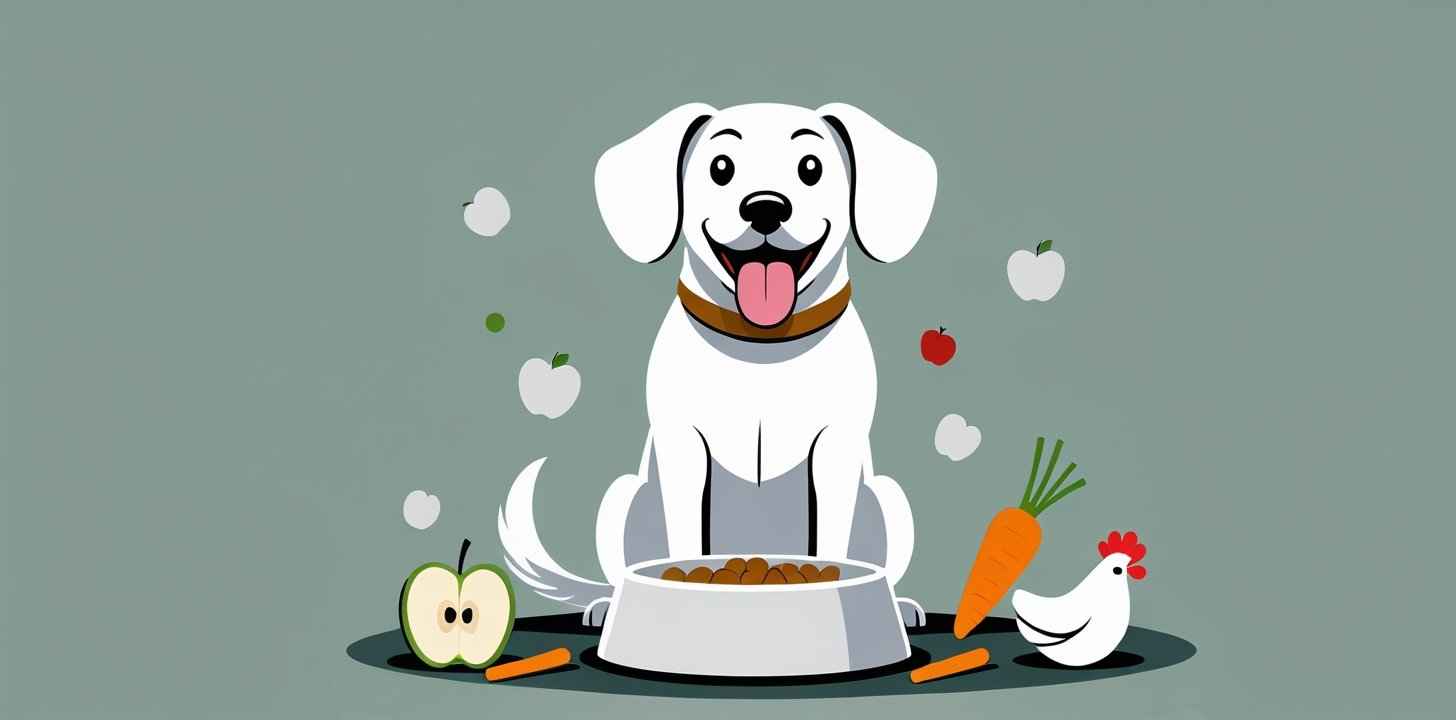
Your dog is staring at you while you eat dinner. Again. You’re wondering if that piece of chicken or slice of apple is safe to share, or if you’re about to trigger a midnight emergency vet visit.
Some human foods are perfectly safe for dogs. Others can cause serious harm. But the real answer isn’t just about “safe” versus “toxic.”
We all really need to understand why certain foods affect your dog differently than they affect you, how much is too much even when a food is technically safe, and how to maintain nutritional balance.
Why Dogs Process Food Differently Than Humans
Dogs lack certain enzymes that humans use to break down specific compounds. They can’t efficiently metabolize theobromine (the stimulant in chocolate), so it builds up to toxic levels in their system. According to studies published in the Journal of Veterinary Emergency and Critical Care, theobromine’s half-life in dogs is 17.5 hours compared to 2-3 hours in humans.

Your dog’s commercial food is formulated to meet AAFCO’s complete-and-balanced nutrition standards: precise ratios of protein, fat, vitamins, and minerals. When you add human food to the mix, you’re potentially disrupting that balance, even if the food itself isn’t toxic.
Think of your dog’s diet like a carefully measured recipe. Adding random ingredients might not ruin the dish immediately, but do it enough and you’ll end up with nutritional deficiencies.
Safe Human Foods With Proper Portions
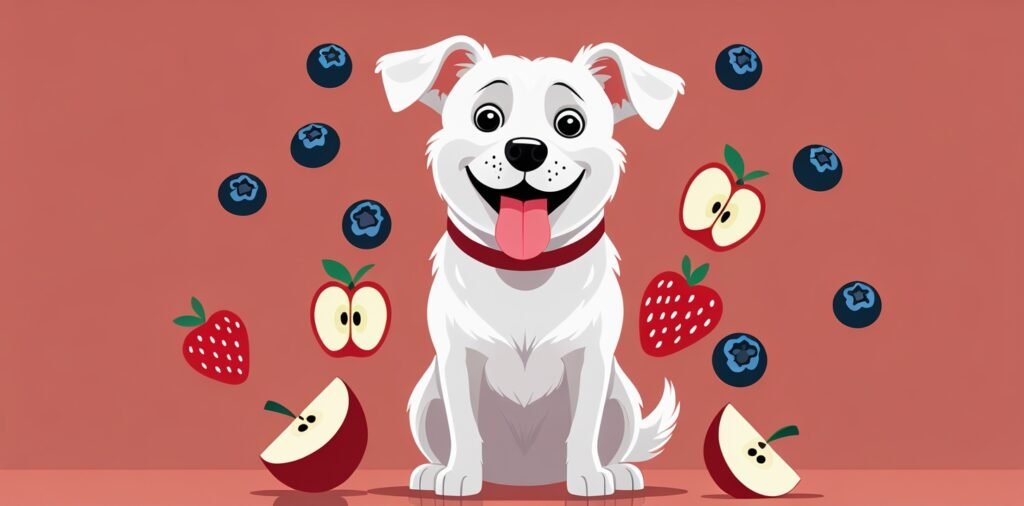
Fruits Dogs Can Eat
Apples (without seeds or core): Excellent source of vitamins A and C plus fiber. Remove the core completely. Apple seeds contain cyanogenic glycosides that release cyanide when digested. Serve in small slices, no more than 2-3 pieces for a 30-pound dog.
Blueberries: Packed with antioxidants and low in calories at roughly 1 calorie per berry. A handful (10-15 berries) is appropriate for most dogs, adjusted for size.
Watermelon (seedless, no rind): High water content makes it hydrating. The rind can cause digestive upset. Stick to small cubes of pink flesh only.
Bananas: High in potassium and vitamins B6 and C, but also high in sugar at 14 grams per medium banana. A few slices occasionally, not daily.
Strawberries: Rich in antioxidants and vitamin C. Remove green tops and slice. 2-3 medium strawberries for a 30-pound dog is reasonable.
Vegetables That Are Dog-Safe
Carrots (raw or cooked): Low-calorie at 4 calories per baby carrot, high-fiber, great for dental health when served raw. One whole baby carrot as a crunchy snack, or steam and mash for easier digestion.
Green beans (plain, no salt): Virtually calorie-free at 31 calories per cup. Board-certified veterinary nutritionists sometimes recommend them as a partial meal replacement for overweight dogs. A handful of steamed green beans is safe.
Sweet potatoes (cooked, plain): Rich in fiber and vitamins A and C, but calorie-dense at 112 calories per medium potato. One to two tablespoons of mashed sweet potato is plenty. Never feed raw sweet potato, which is hard to digest and can cause intestinal blockage.
Cucumbers: Mostly water, very low calorie at 8 calories per half cup. Great for dogs who need to lose weight. Slice thin to prevent choking.
Broccoli (in small amounts): Contains isothiocyanates, which can cause gastric irritation in large quantities. The FDA’s Center for Veterinary Medicine suggests keeping broccoli to less than 10% of your dog’s diet. A few small florets, steamed, is the safe zone.
Proteins and Dairy
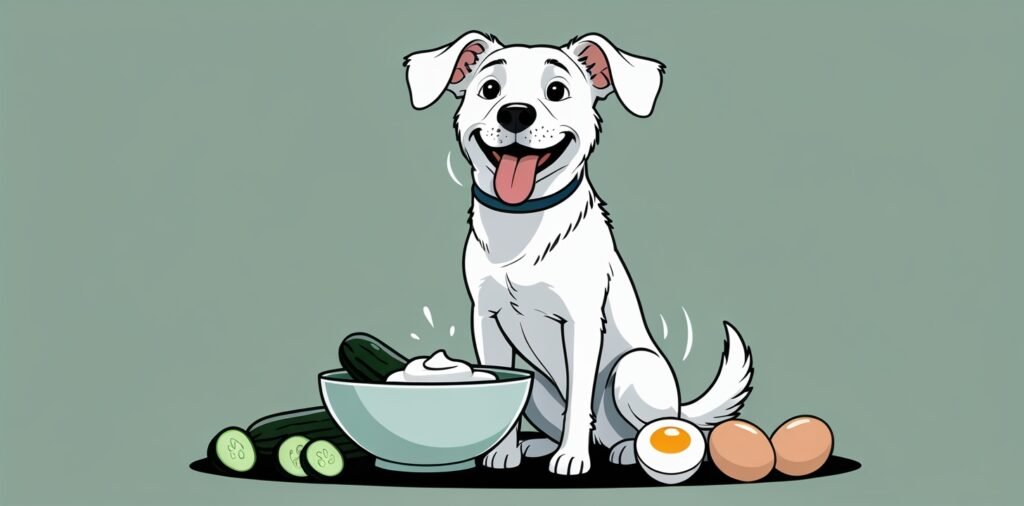
Plain cooked chicken (boneless, skinless): Lean protein at approximately 165 calories per 4-ounce serving, easy to digest. Common ingredient in prescription dog foods for sensitive stomachs. No seasoning, no skin, no bones. Cooked chicken bones splinter and can perforate the intestinal tract.
Plain cooked turkey: Same rules as chicken. White meat is leaner at 125 calories per 3 ounces versus dark meat at 145 calories. Remove all skin and bones.
Cooked eggs: Excellent protein source at 70 calories per large egg. Scrambled or hard-boiled, no butter or oil. Raw eggs carry salmonella risk and contain avidin, which interferes with biotin absorption.
Plain cooked salmon: Rich in omega-3 fatty acids at approximately 175 calories per 3-ounce serving. Must be fully cooked. Raw salmon can contain parasites that cause salmon poisoning disease, which is fatal without treatment. No seasoning, no bones.
Plain yogurt (unsweetened, no xylitol): Live cultures can support gut health. Greek yogurt is lower in lactose. One tablespoon is fine for most dogs, but many adult dogs are lactose intolerant to varying degrees.
Cheese (in tiny amounts): High in fat and calories at 110 calories per ounce. Use for training treats, not snacks. A small cube for a 40-pound dog is plenty.
According to the American College of Veterinary Nutrition, most adult dogs produce less lactase (the enzyme that breaks down lactose) than puppies do, leading to diarrhea and gas. If your dog tolerates small amounts of dairy, fine. If not, skip it.
Toxic Foods: The Mechanisms Behind the Danger
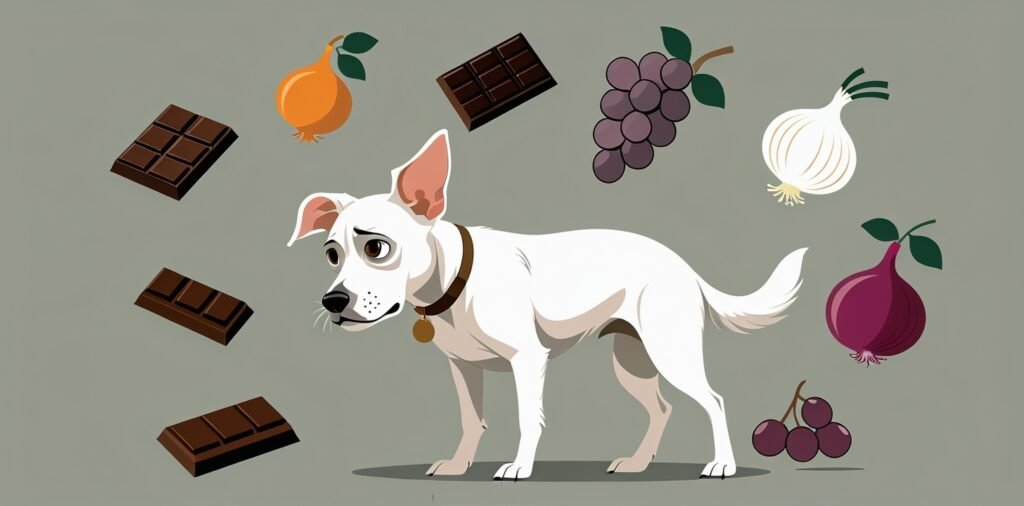
Chocolate Toxicity Is Dose and Type Dependent
Chocolate contains theobromine and caffeine, both methylxanthines that dogs metabolize slowly. These compounds stimulate the central nervous system and cardiovascular system, leading to hyperactivity, increased heart rate, tremors, seizures, and potentially death.
Toxicity level depends on chocolate type. Baking chocolate and dark chocolate contain the highest theobromine concentrations (up to 450 mg per ounce), while milk chocolate has significantly less (around 60 mg per ounce). White chocolate barely contains any theobromine but is still unhealthy due to fat and sugar content.
According to veterinary toxicology research published in Veterinary Clinics of North America: Small Animal Practice, mild symptoms appear at 20 mg/kg of body weight, severe symptoms at 40-50 mg/kg, and seizures at 60 mg/kg. A 20-pound dog eating just 2 ounces of baking chocolate could hit toxic levels.
Grapes Cause Kidney Failure Through Unknown Pathways
Grapes and raisins cause acute kidney failure in dogs. Research published in Veterinary Clinics of North America points to tartaric acid as a potential culprit, but the mechanism isn’t fully understood.
Toxicity isn’t predictably dose-dependent. Some dogs eat a handful of grapes and show no symptoms, while others develop kidney failure from just a few. Because we can’t predict which dogs are susceptible, the only safe amount is zero.
Onions and Garlic Damage Red Blood Cells
Onions and garlic contain thiosulfate compounds that oxidize hemoglobin in red blood cells, forming Heinz bodies that lead to hemolytic anemia. The damage is cumulative. Small amounts over time can be just as dangerous as a single large dose. Garlic is roughly five times more potent than onions.
Clinical signs include weakness, pale gums, red or brown urine, and rapid breathing. These symptoms can appear days after ingestion.
Xylitol Causes Rapid Insulin Release
Xylitol, an artificial sweetener found in sugar-free gum, peanut butter, and baked goods, causes rapid insulin release in dogs, leading to hypoglycemia (dangerously low blood sugar). In higher doses, it causes acute liver failure.
The FDA’s Center for Veterinary Medicine reports that as little as 0.1 grams per kilogram of body weight can cause hypoglycemia. A single piece of sugar-free gum can contain that much.
Other Toxic Foods to Avoid Completely
Macadamia nuts cause weakness, vomiting, tremors, and hyperthermia in dogs through an unknown mechanism. Symptoms typically appear within 12 hours and resolve within 48 hours, but they’re severe enough to avoid entirely.
Avocado contains persin, a fungicidal toxin that can cause vomiting and diarrhea in dogs. The pit is also a choking hazard and can cause intestinal blockage. The flesh has lower persin levels than the skin and pit, but the risk isn’t worth it.
The 10% Rule: AAFCO Guidelines on Nutritional Balance
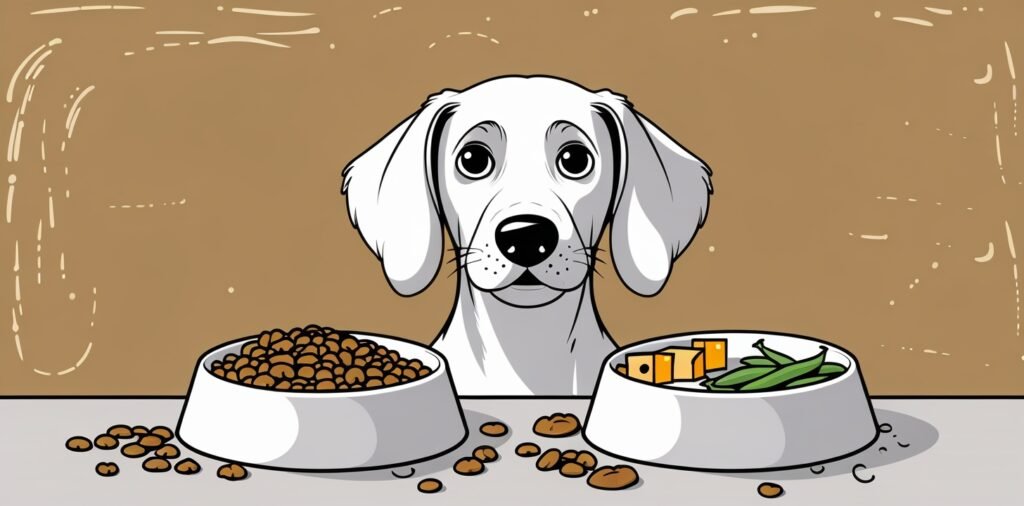
AAFCO’s guidelines are clear: treats and human food should make up no more than 10% of your dog’s total daily caloric intake. This is the threshold at which you can add extras without disrupting the complete-and-balanced nutrition your dog’s main food provides.
A 30-pound moderately active dog needs roughly 800 calories per day. Ten percent of that is 80 calories. That’s approximately 2 ounces of cooked chicken breast, 1 medium apple (without core), half a cup of plain green beans, or 1 tablespoon of peanut butter.
The problem with exceeding this threshold isn’t just weight gain. It’s nutritional dilution. Your dog’s kibble contains precise ratios of calcium to phosphorus (1.2:1 to 1.4:1 for adult dogs per AAFCO standards), omega-6 to omega-3 fatty acids, and essential vitamins. When human food makes up 20%, 30%, or 40% of their diet, you’re creating imbalances that can lead to deficiencies over time.
According to board-certified veterinary nutritionists, this is especially problematic with growing puppies and pregnant dogs, whose nutritional requirements are even more specific. A calcium-phosphorus imbalance during growth can affect bone development. Too much vitamin A (from liver) can cause skeletal abnormalities.
| Dog Weight | Daily Calories (Moderate Activity) | 10% Treat Allowance | Example Portions |
|---|---|---|---|
| 10 lbs | 300 calories | 30 calories | 1 oz chicken OR 1/2 small apple OR 15 blueberries |
| 30 lbs | 800 calories | 80 calories | 2 oz chicken OR 1 medium apple OR 1 tbsp peanut butter |
| 50 lbs | 1,200 calories | 120 calories | 3 oz chicken OR 1.5 medium apples OR 1 cup green beans |
| 70 lbs | 1,600 calories | 160 calories | 4 oz chicken OR 2 medium apples OR 2 baby carrots + 1 oz cheese |
If you’re regularly feeding human food, you need to reduce your dog’s kibble accordingly to maintain caloric balance. Most people don’t do this, which is why nearly 60% of dogs in the United States are overweight or obese according to the Association for Pet Obesity Prevention.
Individual Factors That Affect Food Safety
Small dogs (under 20 pounds) have faster metabolisms and smaller stomachs. They’re more susceptible to hypoglycemia from xylitol, and they can’t handle the same treat volumes as larger dogs without exceeding their caloric needs. A single grape might represent a much higher dose per kilogram of body weight for a 5-pound Yorkie than for a 70-pound Labrador.
Large and giant breeds (over 50 pounds) are prone to bloat (gastric dilatation-volvulus), especially when they eat too quickly or consume large volumes of food at once. Feeding them watermelon chunks right before or after a meal increases bloat risk.
Puppies need higher protein (minimum 22.5% dry matter basis per AAFCO) and fat levels than adult dogs, and their calcium-phosphorus ratios are critical for proper bone development. Adding human food to a puppy’s diet is risky unless you’re working with a veterinary nutritionist to ensure balance.
Senior dogs (typically 7+ years for large breeds, 10+ for small breeds) often have reduced kidney function and may need lower protein or phosphorus intake. Foods like cheese and salmon, while safe for healthy adults, might not be appropriate for a 12-year-old dog with chronic kidney disease.
Dogs with health conditions require individualized dietary management. Diabetic dogs need consistent carbohydrate intake. Dogs with pancreatitis need low-fat diets (typically under 10% fat on a dry matter basis). Dogs with food allergies need to avoid specific proteins. That “safe” chicken breast could trigger a reaction in a dog allergic to poultry.
Emergency Protocol: When Your Dog Eats Something Toxic

Your dog just ate chocolate, grapes, or half an onion. Here’s what to do.
Step 1: Don’t panic, but don’t wait. Time matters with toxicity. The sooner you act, the better the outcome.
Step 2: Gather information. You need to tell your vet:
- What your dog ate (be specific: “3 ounces of dark chocolate,” not just “chocolate”)
- How much they ate (estimate if you don’t know exactly)
- When they ate it (time matters for treatment decisions)
- Your dog’s weight
- Any symptoms you’re observing
Step 3: Call your vet or the Pet Poison Helpline immediately. Don’t Google “is this toxic” for 20 minutes while the toxin gets absorbed. The ASPCA Animal Poison Control Center (888-426-4435) and Pet Poison Helpline (855-764-7661) are available 24/7. There’s a consultation fee ($75-$95), but it’s worth it.
Step 4: Follow their instructions exactly. They might tell you to induce vomiting at home (only if instructed and only within 2 hours of ingestion), bring your dog in immediately, or monitor for symptoms. Do not induce vomiting unless specifically told to. It can make certain toxicities worse.
Step 5: If instructed to go to the vet, bring the packaging. The ingredient list, the amount consumed, and any lot numbers can help with treatment decisions.
Frequently Asked Questions
How much human food can I safely give my dog?
No more than 10% of your dog’s total daily caloric intake should come from treats or human food. This is the AAFCO-recommended threshold for maintaining complete-and-balanced nutrition. For a 30-pound dog eating 800 calories per day, that’s about 80 calories of human food: roughly 2 ounces of cooked chicken or one medium apple. Exceed this regularly, and you risk creating nutritional imbalances or weight gain.
Are all chocolate types equally dangerous for dogs?
No. Dark chocolate and baking chocolate contain significantly higher levels of theobromine (up to 450 mg per ounce) compared to milk chocolate (around 60 mg per ounce). White chocolate contains minimal theobromine but is still unhealthy due to fat and sugar. A small amount of milk chocolate might cause mild symptoms, while the same amount of baking chocolate could be life-threatening. The type matters as much as the quantity.
Can small amounts of toxic foods really hurt my dog?
Yes. Xylitol and grapes can cause serious harm even in small quantities. A single piece of sugar-free gum or a handful of grapes can trigger hypoglycemia or kidney failure. Other toxins like onions and garlic are cumulative, meaning small amounts over time add up to dangerous levels. With known toxins, there’s no safe minimum dose.
Is it safe to give my dog the same human foods regularly?
Regular feeding of any human food can disrupt the nutritional balance of your dog’s complete-and-balanced commercial diet. Even safe foods like chicken or sweet potato, when given daily in significant amounts, dilute the precise ratios of vitamins, minerals, and essential nutrients your dog needs. Occasional treats are fine, but making human food a daily staple requires careful nutritional planning, ideally with input from a veterinary nutritionist.
What should I do if my dog accidentally eats something toxic?
Contact your veterinarian or the Pet Poison Helpline (855-764-7661) immediately with details about what your dog ate, how much, when, and your dog’s weight. Don’t wait for symptoms to appear with known toxins like chocolate, xylitol, or grapes. Time is critical for treatment effectiveness. Only induce vomiting if specifically instructed by a veterinary professional. It’s not appropriate for all toxins and can sometimes make things worse.
Are homemade dog treats with human food ingredients safe?
They can be safe if you use dog-safe ingredients (like pumpkin, oats, peanut butter without xylitol, and eggs) and bake them without added salt, sugar, or seasonings. However, homemade treats still count toward the 10% treat allowance and shouldn’t replace your dog’s nutritionally complete commercial food. If you’re making treats regularly, reduce kibble portions accordingly to prevent weight gain and nutritional imbalance.
This article is for informational purposes and should not replace professional veterinary advice. Always consult your veterinarian before making significant changes to your dog’s diet, especially if your dog has existing health conditions, is pregnant, or is a growing puppy.