
The Bulldog is a study in contradictions: a dog bred for ferocity who evolved into one of the world’s most gentle companions, a muscular athlete who’d rather nap on your couch than run a mile, and a face only a mother could love that somehow became the mascot for hundreds of universities, businesses, and military units.
This is a breed that snores louder than your uncle, drools on your furniture, and costs more to maintain than many small cars, and yet inspires fanatical devotion from owners who wouldn’t dream of living without one.
If you’re researching Bulldogs, you need to know this upfront: this breed comes with significant health challenges, substantial ongoing costs, and lifestyle limitations that other breeds don’t impose.
But for the right owner, someone who values companionship over athleticism, who can afford excellent veterinary care, and who finds charm in a dog that moves through life at its own dignified pace, the Bulldog offers unmatched loyalty and personality.

| Quick Facts | Details |
|---|---|
| Size Range | Medium |
| Weight Range | 40-50 lbs |
| Lifespan | 8-10 years |
| Energy Level | Low to Moderate |
| Shedding | Moderate |
| Good with Kids | Excellent |
| Good with Dogs | Good with socialization |
Bulldog Breed Overview
The English Bulldog traces its roots to 13th-century England, where it was developed from Mastiff and Old English fighting dog stock for the brutal sport of bull-baiting. These early Bulldogs were athletic, aggressive, and fearless, traits necessary for confronting tethered bulls in public spectacles. When bull-baiting was outlawed in England in 1835, the breed faced extinction.
What saved the Bulldog was a dramatic transformation. Breeders in the mid-1800s deliberately selected for gentler temperaments and exaggerated physical features: the massive head, short muzzle, and compact body we recognize today. The Bulldog Club of America, formed in 1890, adopted the English breed standard and has maintained it with minimal changes since. The American Kennel Club first recognized the breed’s standard in 1896, with revisions in 1914 and 1976, and formatting updates in 1990 and 2016.
Today’s Bulldog is classified in the AKC Non-Sporting Group and ranks as the 5th most popular breed in the United States. This surge in popularity over the past 15 years reflects the breed’s reputation as a calm, affectionate family companion, but it has also fueled problematic breeding practices that prioritize appearance over health.
The modern Bulldog exists purely as a companion animal. There are no working lines, no field trials, no jobs this breed performs beyond being a devoted friend. That singular purpose has shaped everything about them.
Compared to similar breeds, the Bulldog is distinct. The American Bulldog is larger (60-120 lbs), more athletic, and retains working drive. The French Bulldog is significantly smaller (under 28 lbs), more energetic, and has bat-like ears instead of rose-shaped ones. The Boxer has a longer muzzle, higher energy level, and completely different exercise requirements. The English Bulldog is the most sedentary and health-challenged of all these related breeds.
Physical Characteristics & Size
The Bulldog’s appearance is unmistakable. This is a medium-sized, thick-set dog with a massive head that seems disproportionate to its compact, low-slung body. Adult Bulldogs weigh between 40-50 pounds regardless of sex, though the AKC breed standard doesn’t specify different weight ranges for males and females. Height isn’t specified in the standard, but most Bulldogs stand approximately 12-16 inches at the withers.

The breed’s signature feature is its brachycephalic (flat-faced) head. The skull is massive and broad with pronounced wrinkles covering the forehead and face. The muzzle is extremely short and flat, with an upturned nose that gives the characteristic “pushed in” appearance. The breed standard requires an underbite, the lower jaw extends forward of the upper jaw, exposing the lower teeth.
Bulldogs have small, thin, rose-shaped ears set high on the head. The eyes are medium-sized, dark, and set wide apart and low in the skull. Heavy jowls and pronounced cheeks complete the distinctive facial structure. The extensive facial and neck wrinkles aren’t just cosmetic, they’re a defining breed characteristic that requires daily maintenance.
The body is heavily muscled with a broad chest, wide shoulders, and sturdy limbs. The breed’s length slightly exceeds its height, creating an almost square profile when viewed from the side. The characteristic “roll” gait, a loose-jointed, shuffling, sideways motion, is written into the breed standard as desirable. The tail is naturally short, either straight or slightly screwed, and carried low.
The coat is short, smooth, and dense. Bulldogs shed moderately year-round with seasonal increases. Recognized colors include solid red, fawn, and white, as well as brindle patterns, piebald markings, and combinations with black masks or black tipping. The AKC disqualifies merle patterns, brown or liver noses, blue or green eyes, and unlisted color combinations.
Modern show lines have increasingly exaggerated features, flatter faces, larger heads, shorter muzzles, that directly correlate with increased breathing problems. Some breeders are pushing for moderate reforms that prioritize longer muzzles and better airway function, but these remain a minority in show rings.
Bulldog Temperament & Personality
The AKC breed standard describes the Bulldog temperament as “equable and kind, resolute and courageous without viciousness or aggression.” In practice, this translates to one of the most gentle, patient family companions you’ll find. Bulldogs are affectionate and devoted, bonding closely with their families while remaining reserved, though not aggressive, with strangers.
This is a calm, low-energy breed that excels at being a household presence. Adult Bulldogs are content to lounge on furniture, follow you from room to room at a leisurely pace, and nap in cool spots throughout the day. They’re playful and surprisingly comedic with family members despite their stoic appearance, but they’re not demanding of constant attention or activity.
The breed’s most challenging personality trait is stubbornness. Bulldogs are independent thinkers with what owners affectionately call “selective hearing.” They know what you want, they just need to be convinced it’s worth their while. This isn’t a breed that lives to please like a Golden Retriever. Training requires patience, high-value rewards, and acceptance that your Bulldog will sometimes simply choose not to comply.
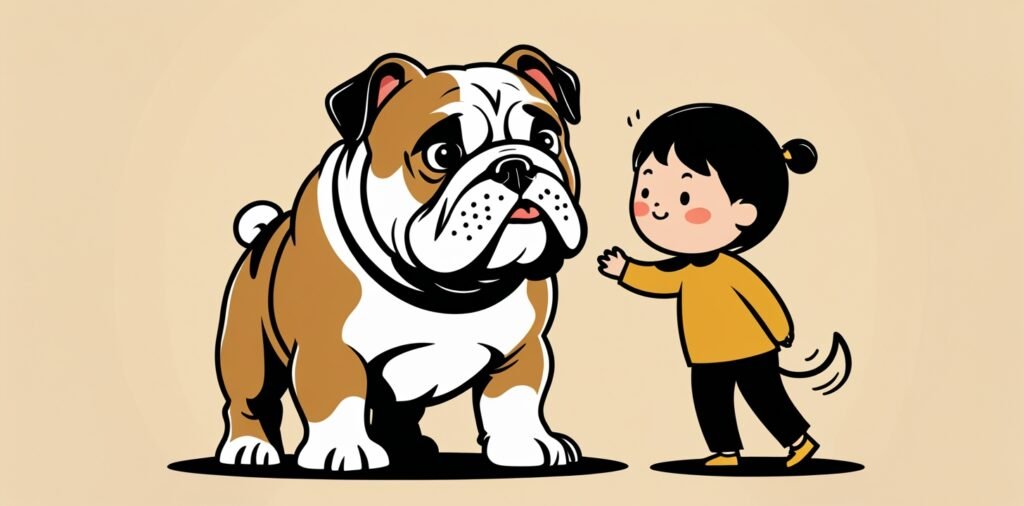
With children, Bulldogs are exceptional. They’re patient, tolerant, and gentle with kids of all ages. Their low energy means they won’t accidentally knock over toddlers during play sessions, though their bulk can still cause accidental collisions. They tolerate the poking, prodding, and noise that comes with young children better than most breeds.
Sociability with other dogs is good with proper socialization, though some same-sex aggression occurs in males, particularly intact males. Females tend to be more social overall. Early exposure to other dogs is essential. With cats and other pets, Bulldogs generally do well, their low prey drive and low energy mean they’re unlikely to chase or harass other animals.
Bulldogs are moderate “velcro dogs.” They want to be near family but don’t require constant physical contact or attention. They can manage 4-6 hours alone without developing separation anxiety, though longer periods may lead to destructive behavior or excessive barking. They’re not alarm barkers, you’ll hear occasional low woofs or grumbles, but this isn’t a noisy breed.
What you will hear is snoring. Loud, persistent, rattling snoring along with snorting, snuffling, and wheezing. These sounds are normal for the breed’s brachycephalic anatomy, but they’re constant and can be disruptive if you’re a light sleeper. Drooling is moderate to high, especially after eating or during warm weather. Flatulence is common due to air swallowing while breathing.
Bulldogs are best suited for intermediate to experienced dog owners. First-time owners often struggle with the extended house-training timeline (6+ months is common) and the breed’s stubborn resistance to traditional obedience training. This isn’t a breed that makes training easy.
Health Issues & Lifespan
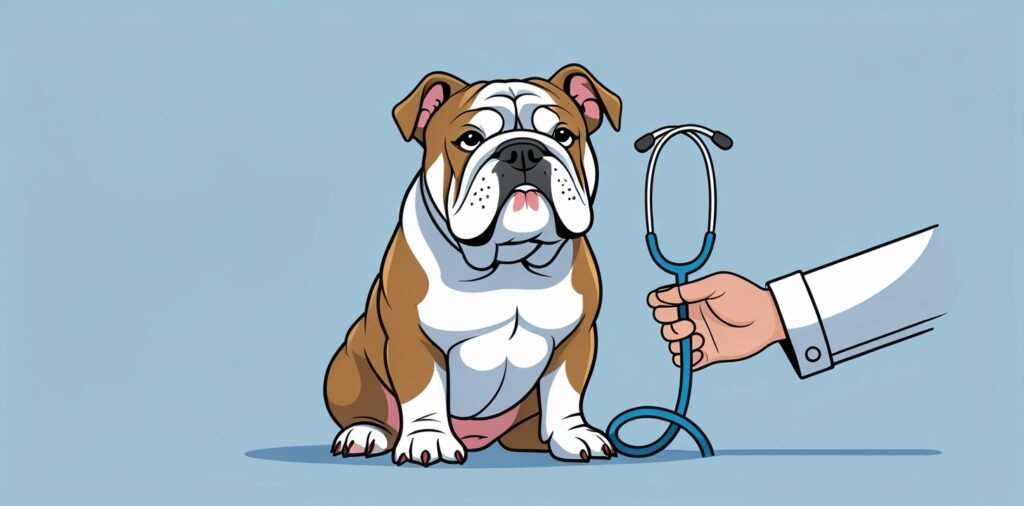
The Bulldog’s average lifespan is 8-10 years with proper care. This is significantly shorter than most breeds of similar size, which typically live 11-15 years. The reduced lifespan is directly attributed to the breed’s brachycephalic conformation and the accumulation of health issues that come with it.
Brachycephalic Obstructive Airway Syndrome (BOAS)
Brachycephalic Obstructive Airway Syndrome is the single most significant health issue facing Bulldogs. This condition affects approximately 15-75% of the breed depending on diagnostic criteria, with severity ranging from mild breathing noise to life-threatening respiratory distress. The condition results from anatomical abnormalities: stenotic (narrowed) nostrils, elongated soft palate, narrowed trachea, and sometimes laryngeal collapse.
Research published in veterinary journals shows that craniofacial ratio (how flat the face is) and body condition score (obesity) are the strongest predictors of BOAS severity. Moderate to severe stenotic nostrils increase BOAS odds by 4.58-5.65 times. Obese Bulldogs have dramatically higher BOAS prevalence than lean individuals.
Clinical signs often appear by 2-3 years of age but can emerge as early as 3-6 months. Watch for noisy breathing audible at rest, gagging or choking sensations (especially after meals or excitement), reluctance to exercise, heat intolerance, excessive panting, and in severe cases, blue-tinged gums or fainting during exertion.
Medical management includes weight loss, activity restriction, heat avoidance, and short-term corticosteroids. These manage symptoms but don’t cure the condition. Surgical interventions, stenotic nostril enlargement, soft palate shortening, or laryngeal tie-back procedures, cost $3,000-$8,000 and show clinical improvement in only 30-70% of cases. BOAS is chronic and progressive, significantly impacting quality of life and lifespan.
Hip Dysplasia
Bulldogs have the highest hip dysplasia prevalence of any AKC breed at 77.7% according to Orthopedic Foundation for Animals (OFA) data. A comprehensive breed study found 55% diagnosed with severe hip dysplasia (FCI Grade E), with only one dog in the entire study showing normal hips. This epidemic is driven by selective breeding for large heads and heavy frames combined with widespread backyard breeding that ignores health screening.
Radiographic changes are visible by 12-18 months, though clinical lameness may not appear until 18-36 months in severe cases. Some dogs remain asymptomatic until 5-7 years, particularly if they maintain lean body weight. Symptoms include difficulty rising, rear limb lameness (especially after exercise or first thing in the morning), reluctance to climb stairs or jump, bunny-hopping gait, and muscle atrophy in the hind limbs.
Conservative management with weight control, restricted exercise, NSAIDs, joint supplements, and physical therapy is effective in 60-80% of mild-to-moderate cases, with annual costs of $500-$1,500. Severe cases may require surgical intervention: triple pelvic osteotomy ($4,000-$10,000 per hip), total hip replacement ($8,000-$15,000 per hip), or femoral head ostectomy ($3,000-$5,000). Many Bulldogs maintain good quality of life with conservative management, but the condition worsens with age.
Cherry Eye (Prolapsed Nictitans Gland)
Cherry eye affects 5-10% of Bulldogs and typically appears before age 3. This condition occurs when the tear-producing gland in the third eyelid prolapses, creating a red, fleshy mass visible at the inner corner of the eye. It can affect one or both eyes and doesn’t resolve without surgical intervention.
The gold standard treatment is gland replacement (tacking procedure), which has a 70-90% success rate and costs $500-$1,500 per eye. Gland removal is only performed if replacement fails, as it can lead to dry eye in 10-30% of cases. Prognosis is excellent with surgical correction, though recurrence occurs in 5-10% of cases.
Skin Fold Dermatitis
This condition affects 25-50% of Bulldogs and results from moisture, heat, and friction in the breed’s characteristic skin folds. The facial wrinkles, tail fold, and paw pad folds create perfect environments for bacterial and yeast infections. Symptoms include redness and inflammation in folds, yeasty or musty odor, excessive licking or scratching, and discharge or crusting.
Prevention requires daily or twice-daily wrinkle cleaning with veterinary-approved cleansers, thorough drying, and application of antifungal or antibacterial powder. Active infections require topical or oral antibiotics and antifungals. Annual prevention costs run $200-$500, while recurrent infections requiring veterinary intervention can cost $800-$2,000 per year. This is a chronic, recurring condition managed but not cured without surgical wrinkle reduction (rarely performed).
Intervertebral Disc Disease (IVDD)
IVDD affects 5-10% of Bulldogs, though it’s likely underdiagnosed. The breed’s heavy build and short back create biomechanical stress on the spine. Symptoms range from acute back pain (hunched posture, reluctance to move, crying out) to partial or complete paralysis of the hind limbs. This is most common in middle-aged and older Bulldogs (5-10 years).
Mild cases respond to conservative management (strict cage rest, NSAIDs, corticosteroids) with 60-80% success rates and costs of $200-$500. Severe cases require surgical decompression costing $3,000-$8,000. If surgery is performed before permanent damage occurs, 80-95% of dogs recover. Delayed treatment leads to permanent disability.
Additional Health Concerns
Bulldogs also face risks of entropion (inturned eyelids requiring surgical correction at $500-$1,500 per eye), allergies (food and environmental, affecting 5-20% of the breed with annual management costs of $300-$1,000), and hemivertebrae (malformed vertebrae that can cause pain or neurological issues). Cancer prevalence is slightly elevated, with 25-30% diagnosed in their lifetime, most commonly mast cell tumors, lymphoma, and hemangiosarcoma.
| Health Screening | What It Screens For | Recommended Timing | Where to Get It |
|---|---|---|---|
| OFA Hip Evaluation | Hip dysplasia severity (graded A-E) | 24+ months | OFA-certified veterinarian |
| OFA Elbow Evaluation | Elbow dysplasia | 24+ months | OFA-certified veterinarian |
| CERF Eye Exam | Cherry eye, entropion, cataracts | Annually | Veterinary ophthalmologist |
| BOAS Assessment | Airway obstruction severity | Before breeding; before air travel | Veterinarian familiar with brachycephalic breeds |
| Cardiac Evaluation | Congenital heart defects | Before breeding (if recommended) | Veterinary cardiologist |
Budgeting $2,000-$4,000 annually for veterinary care is prudent given the breed’s predisposition to multiple health issues. For healthy adults without chronic conditions, expect $500-$1,500 per year. With chronic conditions like hip dysplasia, BOAS, or allergies, annual costs can reach $2,000-$6,000 or more. Pet insurance is strongly recommended.
Nutrition Requirements for Bulldogs
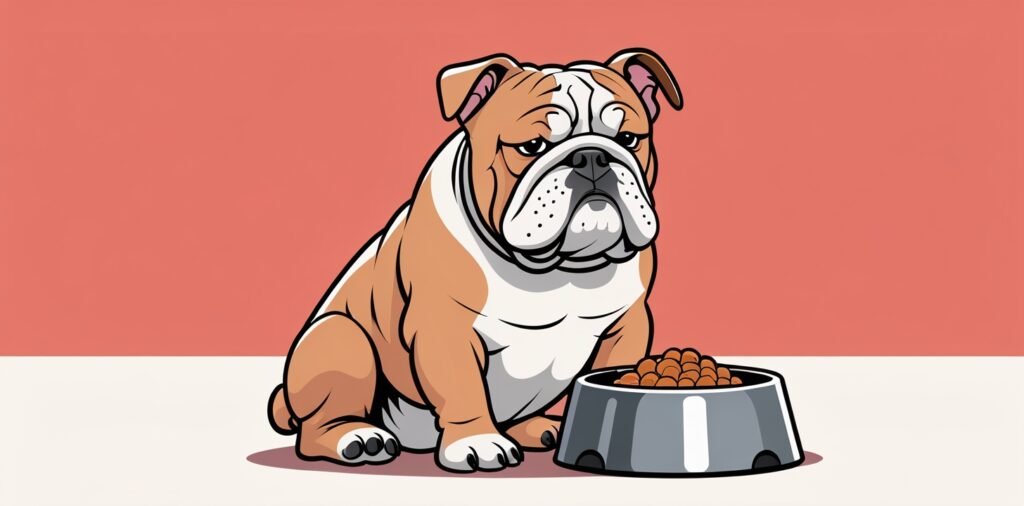
Nutrition is critical for Bulldogs because proper diet management directly impacts the severity of their most common health problems. Obesity worsens BOAS, accelerates hip dysplasia progression, and increases skin fold infections. This isn’t a breed where you can be casual about food.
Caloric Needs and Macronutrients
Adult Bulldogs with moderate activity need 800-1,200 calories per day depending on size and metabolism. Low-energy individuals trend toward the lower end due to their sedentary lifestyle. If your Bulldog has a history of weight issues, reduce calories by 10-20%. Growing puppies need 1,200-1,600 calories daily until 12 months.
The ideal macronutrient profile includes 20-30% protein (minimum 22% for adults, 26-28% for puppies). High-quality animal proteins, chicken, beef, lamb, fish, are essential for maintaining muscle mass, which is critical given the breed’s tendency toward muscle loss with age and joint disease. Fat should comprise 8-15% of the diet. Avoid excess fat, as this breed is highly prone to obesity. Fiber should be 4-8% to support digestion and weight management.
Joint and Hip Support
With 77.7% of Bulldogs affected by hip dysplasia, joint support ingredients are non-negotiable. Look for foods listing glucosamine (1,000-1,500 mg per day), chondroitin (500-1,000 mg per day), and MSM in the first 10 ingredients. EPA and DHA omega-3 fatty acids should be present at minimum 310 mg/kg, though higher is beneficial.
Antioxidants including vitamins A, C, E, and selenium support cartilage protection. Avoid foods with excess calcium or phosphorus, which can exacerbate dysplasia. Proper calcium-to-phosphorus ratios (1.2:1) are essential according to AAFCO nutritional guidelines.
Weight Management
Obesity dramatically worsens breathing problems, hip function, and skin infections. Every pound of excess weight impairs airway function. For weight loss, feed 1,000-1,200 calories per day and monitor closely. Choose calorie-controlled formulas with high fiber and protein for satiety. Use measuring cups, never free-feed. Limit treats to less than 10% of daily calories, using low-calorie options like carrots or green beans.
Weight loss of just 5-10% in overweight dogs can reduce BOAS symptoms, improve hip function, and extend lifespan by 1-2 years.
Skin and Coat Health
High-quality animal proteins support skin barrier function. Omega-3 and omega-6 fatty acids at elevated levels are essential for reducing skin inflammation and preventing infections in those deep wrinkles. Biotin, zinc, and B vitamins support overall skin health. Foods with probiotics and prebiotic fiber support a healthy skin microbiome, which helps prevent dermatitis recurrence.
If your Bulldog has a history of skin infections, avoid common allergens like chicken, wheat, and corn. An elimination diet may be necessary to identify sensitivities.
Feeding Schedule and Special Considerations
Feed adult Bulldogs twice daily (morning and evening) rather than one large meal. This reduces bloating and gas, which can worsen breathing issues. Puppies under 6 months should eat three times daily. Use slow-feeder bowls or elevated bowls designed for flat-faced breeds, standard bowls make eating difficult and increase air swallowing.
Avoid feeding immediately before or after exercise (wait 30-60 minutes) to reduce bloat risk. Always provide fresh water, but monitor intake during hot weather to prevent overheating during drinking.
Recommended Ingredients
Prioritize whole proteins (chicken, beef, lamb, salmon, turkey) as the first ingredient. Include whole grains (brown rice, oatmeal) or vegetables (sweet potato, peas) over refined carbohydrates. Look for added fish oil, flaxseed, or salmon oil for omega-3s. Avoid foods with corn, wheat, soy fillers, artificial preservatives (BHA, BHT, ethoxyquin), and by-products.
Bulldogs require specialized feeding equipment. Their flat faces make eating from standard bowls difficult and increase air swallowing, which worsens gas and breathing issues. Invest in a slow-feeder bowl designed for brachycephalic breeds, it’s not optional equipment.
Exercise Needs & Limitations
Bulldogs need 20-30 minutes of gentle exercise daily, split into 2-3 short sessions. This is not a breed built for endurance, running, or vigorous activity. A 20-minute walk around the block twice a day is appropriate. Anything more strenuous risks respiratory distress and overheating.
Limit strenuous activity to 10-15 minutes maximum per session. Multiple short walks are better than one long walk. Bulldogs prefer a leisurely pace with frequent breaks and access to shade. They cannot tolerate sustained activity and will show signs of respiratory distress quickly.
Heat Sensitivity
This breed is extremely heat-sensitive due to BOAS. Bulldogs cannot cool themselves efficiently through panting because of their compromised airways. Exercise only during cool parts of the day, early morning or evening. Avoid outdoor activity when temperatures exceed 75°F. On hot days, limit exercise to 10 minutes or skip it entirely.
Signs of overheating include excessive panting, bright red gums, drooling, weakness, and collapse. This is a medical emergency. Never leave a Bulldog in a car, even with windows cracked. Never exercise in direct sunlight during warm weather.
Appropriate Activities
Suitable activities include short leash walks on flat terrain, gentle indoor play sessions, and swimming (with supervision and a life jacket). Avoid activities requiring jumping, running, or sustained exertion. No jogging, hiking, or fetch sessions longer than 5-10 minutes. Bulldogs are not built for agility, dock diving, or any canine sport requiring athleticism.
Mental stimulation through puzzle toys, sniff games, and short training sessions can supplement physical exercise. Bulldogs tire mentally before they tire physically, which is ideal given their physical limitations.
This breed needs a minimum of 20 minutes of gentle exercise daily, but a 60-minute hike will endanger their health. If you want a running partner or hiking companion, choose a different breed. The Bulldog’s exercise limitations are not negotiable.
Grooming & Care Requirements
Bulldogs are moderate-maintenance dogs with specific grooming needs centered around their wrinkles. Expect to spend 15-20 minutes daily on wrinkle care and 30-45 minutes weekly on general grooming.
Wrinkle Cleaning (Daily)
This is the most critical grooming task. Facial and body wrinkles must be cleaned once or twice daily to prevent skin fold dermatitis. Use veterinary-approved wrinkle cleansers or diluted antiseptic solutions. Gently lift each fold, wipe with a damp cloth or cotton ball, then dry thoroughly with a clean, dry cloth. Apply antifungal or antibacterial powder (zinc oxide or miconazole-based) to keep folds dry.
Pay special attention to the deep facial wrinkles around the nose and the tail fold. These areas trap moisture and debris most easily. Skipping wrinkle cleaning leads to infections that require veterinary treatment.
Bathing
Bathe Bulldogs every 2-4 weeks using a gentle, hypoallergenic shampoo. More frequent bathing may be necessary if your dog has skin issues. Use lukewarm water and ensure all soap is rinsed from wrinkles. Dry thoroughly, especially in folds, using towels and a low-heat blow dryer if tolerated.
Brushing
Brush 2-3 times per week with a soft-bristle brush or rubber grooming mitt to remove loose hair and distribute skin oils. Bulldogs shed moderately year-round with seasonal increases. Regular brushing reduces shedding and keeps the coat healthy.
Nail Trimming
Trim nails every 2-3 weeks. Bulldogs’ low activity level means nails don’t wear down naturally. Overgrown nails cause discomfort and gait problems. Use guillotine-style clippers or a grinding tool. If you hear nails clicking on hard floors, they’re too long.
Ear Cleaning
Check ears weekly and clean as needed with veterinary ear cleaner. Bulldogs’ rose-shaped ears can trap moisture and debris. Look for redness, odor, or discharge, which indicate infection.
Dental Care
Brush teeth 2-3 times per week minimum (daily is ideal) using dog-specific toothpaste. Bulldogs are prone to dental disease due to crowded teeth from their shortened jaw. Professional dental cleanings cost $500-$1,500 and may be needed every 1-2 years.
Tail Pocket Care
Some Bulldogs have a “tail pocket,” a deep fold above the tail that requires daily cleaning just like facial wrinkles. Check for this fold and clean it daily if present. Neglecting the tail pocket leads to painful infections.
Wrinkle maintenance isn’t optional. Those adorable folds require daily attention, or you’ll face recurring infections, veterinary bills, and a miserable dog. If you’re not prepared to spend 15-20 minutes every single day cleaning wrinkles, this breed will frustrate you.
Travel Considerations for Bulldogs
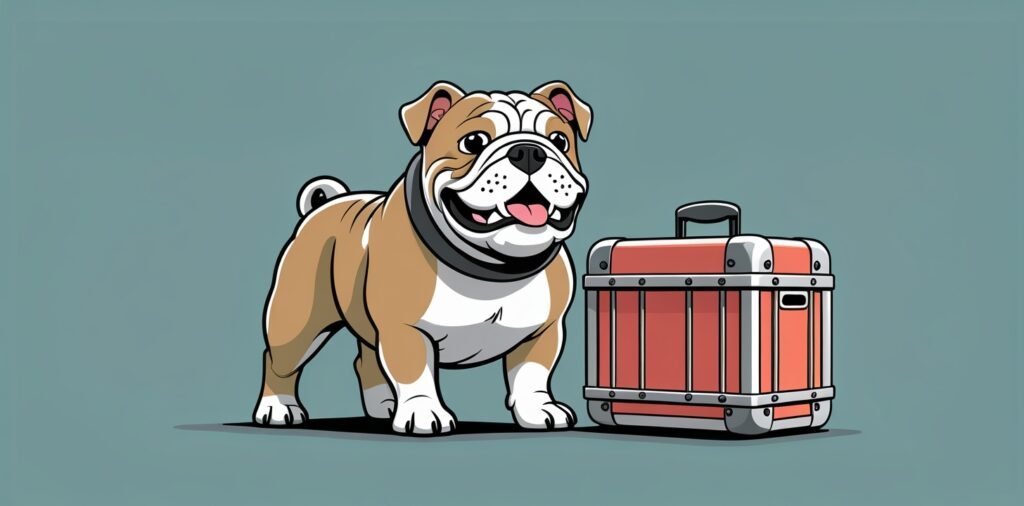
Traveling with a Bulldog requires careful planning due to the breed’s brachycephalic anatomy. This is where TheNomadPaws provides guidance you won’t find elsewhere: Bulldogs face significant travel restrictions that can limit your lifestyle if you’re not prepared.
Airline Restrictions and Brachycephalic Bans
Most major airlines ban Bulldogs from cargo hold transport due to the breed’s high risk of respiratory distress and death during flight. Airlines including United, American, Delta, and Alaska Airlines prohibit brachycephalic breeds in cargo year-round or during warm months. These bans exist because Bulldogs have died in cargo holds at rates far exceeding other breeds.
Some airlines allow Bulldogs in the passenger cabin if the dog meets size and weight requirements (typically under 20 lbs including carrier). Adult Bulldogs at 40-50 lbs exceed these limits, making cabin travel impossible for most individuals. A few smaller female Bulldogs may qualify, but this is rare.
International airlines have varying policies. Some European and Asian carriers allow brachycephalic breeds with veterinary health certificates, but restrictions are common. Always check specific airline policies months before booking.
BOAS Fit-to-Fly Assessment
Airlines that do allow Bulldogs typically require a veterinary fit-to-fly assessment within 10 days of travel. This evaluation grades BOAS severity on a 0-3 scale. Dogs with Grade 2 or 3 BOAS are denied clearance. Even dogs that pass may be denied boarding if temperatures are too high or if ground crew deems the dog distressed.
The reality: most Bulldogs cannot safely fly. If you travel frequently by air, this breed will severely limit your options.
Ground Travel: Car and RV
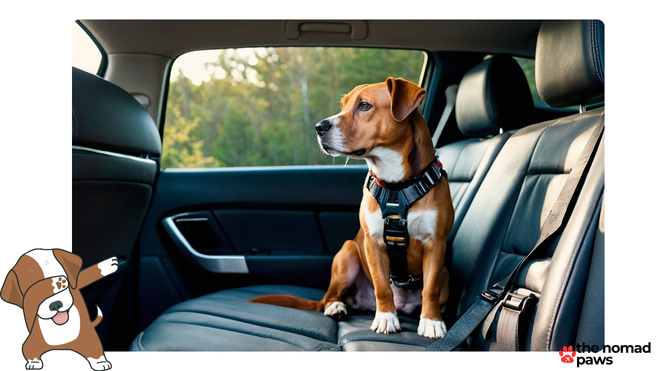
Bulldogs travel well by car if temperature is controlled. Use a crash-tested crate or harness secured with a seatbelt. Recommended crate size for Bulldogs: 30-36 inches long, 21-24 inches wide, 23-26 inches tall (intermediate to large crate). Ensure adequate ventilation.
Never leave a Bulldog in a parked car, even briefly. The breed overheats within minutes in warm vehicles. Use air conditioning during travel and take breaks every 2 hours for water and bathroom needs. Bring a cooling mat or wet towels for hot weather travel.
Hotel and Accommodation Considerations
Bulldogs are generally accepted at pet-friendly hotels due to their calm demeanor and lack of excessive barking. However, some properties have weight limits (typically 25-50 lbs) that may exclude larger individuals. Always confirm pet policies when booking. Expect pet fees of $25-75 per night.
Request ground-floor rooms to avoid stairs, which can be difficult for Bulldogs with hip dysplasia or breathing issues. Bring familiar bedding and keep the room cool.
International Travel
International travel with Bulldogs is challenging. Many countries require health certificates, rabies titers, and quarantine periods. Brachycephalic bans extend to many international carriers. Ground transport (car, ferry) is often the only viable option for international trips.
If relocating internationally, research destination country requirements 6-12 months in advance. Some countries (UK, Australia, New Zealand) have strict quarantine rules that may not accommodate brachycephalic breeds well.
Travel Temperament
Bulldogs are generally calm travelers. They don’t experience severe anxiety in new environments and adapt well to hotel rooms or vacation rentals. Their low energy means they’re content to relax in unfamiliar spaces. However, they may become stressed in hot or crowded environments, leading to increased breathing difficulty.
Essential Travel Supplies
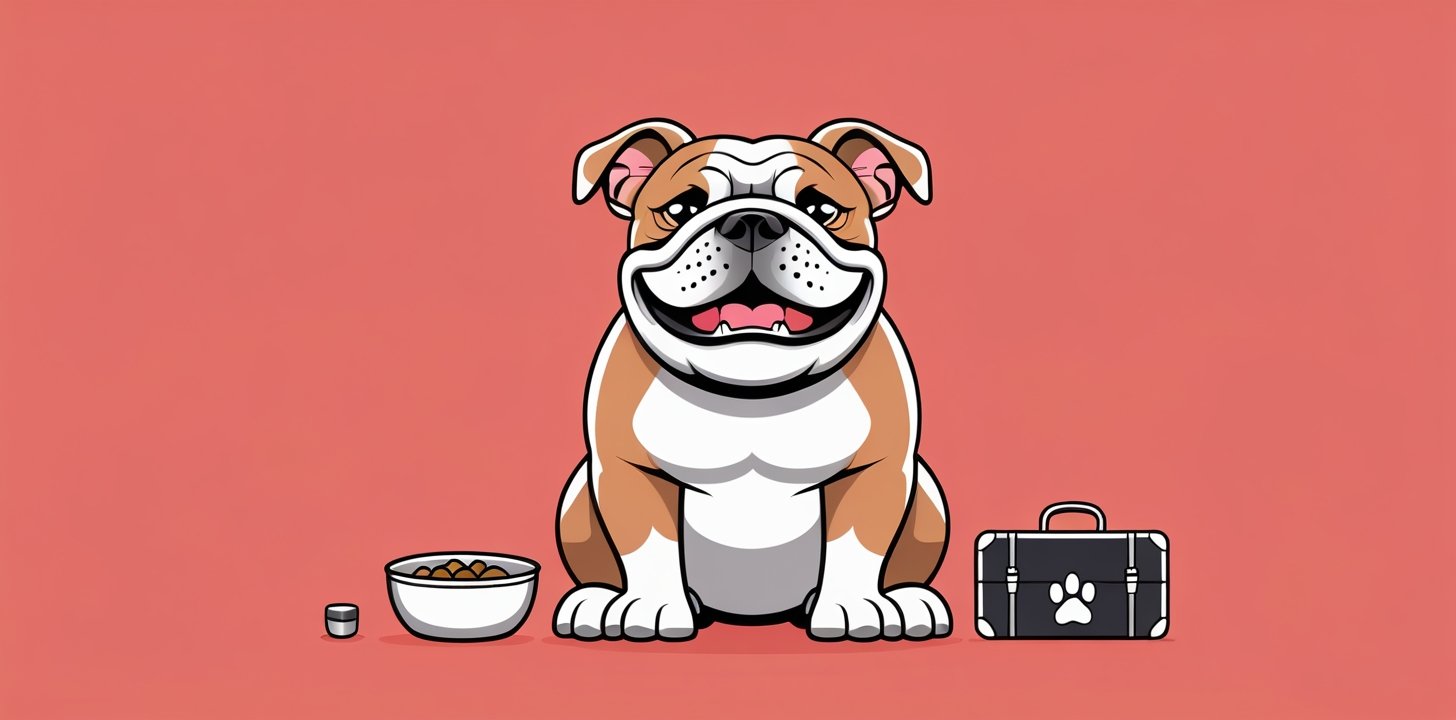
Pack a travel kit including: veterinary records and health certificates, current medications, collapsible water bowl, cooling mat or vest, portable fan, first aid kit, familiar bedding, and contact information for emergency veterinarians at your destination. Bring extra wrinkle cleaning supplies, travel disrupts routines, and skipping wrinkle care leads to infections.
If you’re a frequent flyer or digital nomad, the Bulldog’s airline restrictions are a dealbreaker. This breed cannot safely fly in cargo, and most adults are too large for cabin travel. Road trips are fine with climate control, but air travel is functionally impossible for the majority of Bulldogs.
Training Your Bulldog
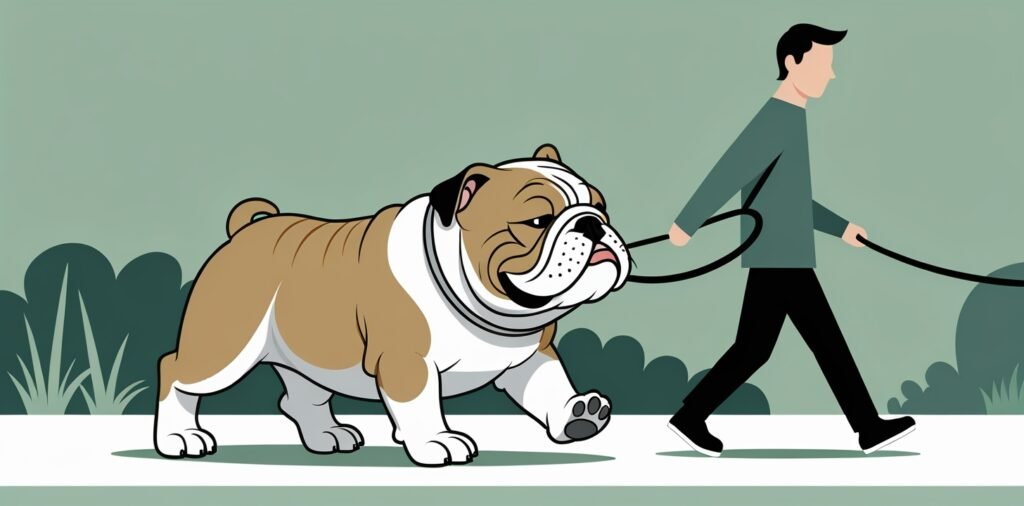
Bulldogs are stubborn, independent thinkers with below-average working intelligence. Training requires patience, consistency, and realistic expectations. This is not a breed that excels in obedience competitions or learns commands quickly.
House-Training Timeline
House-training takes 6+ months for many Bulldogs, significantly longer than most breeds. Some individuals take up to 12 months to be fully reliable. Bulldogs are slow to signal their need to go outside and may have accidents even after months of training. Crate training, scheduled bathroom breaks every 2-3 hours, and immediate rewards for outdoor elimination are essential.
Basic Obedience
Focus on essential commands: sit, stay, come, down, and leave it. Use positive reinforcement with high-value treats (small pieces of chicken, cheese, or commercial training treats). Keep training sessions short, 5-10 minutes maximum, as Bulldogs lose interest quickly. Practice 2-3 times daily rather than one long session.
Bulldogs respond poorly to harsh corrections or repetitive drills. They shut down or become more stubborn when pressured. Patience and food motivation (when it works) are your best tools.
Common Training Challenges
Selective listening is the primary challenge. Bulldogs know what you want but choose whether to comply based on their own assessment of the situation. Recall (coming when called) is notoriously difficult, many Bulldogs simply ignore the command if something more interesting is happening.
Jumping on people is another persistent issue. Bulldogs are enthusiastic greeters despite their calm demeanor, and their bulk makes jumping problematic. Consistent redirection and rewarding four-on-the-floor behavior is necessary.
Socialization
Early socialization (8-16 weeks) is critical. Expose puppies to various people, dogs, environments, and sounds. Bulldogs that aren’t properly socialized can become fearful or reactive, though aggression is rare. Puppy classes are highly recommended.
Professional Training
Consider hiring a professional trainer experienced with brachycephalic breeds, especially if you encounter behavioral issues. Group obedience classes work for some Bulldogs, but private sessions may be more effective given the breed’s stubbornness. Expect to pay $50-150 per session for private training or $150-300 for a 6-8 week group class.
Bulldogs are not Golden Retrievers. They will not eagerly perform every command with tail-wagging enthusiasm. Accept that your Bulldog will sometimes look at you, process your request, and decide it’s not worth the effort. This is the breed.
Cost of Bulldog Ownership
Bulldogs are expensive dogs to own. Initial purchase price is just the beginning, ongoing health costs, specialized care, and potential emergency expenses make this one of the most costly breeds to maintain.
| Expense Category | Cost Range |
|---|---|
| Purchase Price (Reputable Breeder) | $1,500-$4,000 |
| Adoption Fee (Rescue) | $300-$600 |
| Initial Setup (crate, bowls, bedding, supplies) | $200-$500 |
| Spay/Neuter | $300-$2,000 |
| First-Year Veterinary (vaccines, exams, preventives) | $500-$1,000 |
| First-Year Total | $2,800-$8,100 |
| Annual Food | $400-$800 |
| Annual Routine Veterinary Care | $500-$1,500 |
| Annual Grooming Supplies | $100-$300 |
| Annual Preventives (flea, tick, heartworm) | $200-$400 |
| Annual Treats, Toys, Miscellaneous | $100-$300 |
| Annual Total (Healthy Dog) | $1,300-$3,300 |
| Annual Total (With Chronic Conditions) | $2,000-$6,000+ |
| Lifetime Cost (8-10 years) | $13,000-$40,000+ |
Additional Costs to Anticipate
Emergency veterinary care: Bulldogs are prone to emergencies including BOAS crises, bloat, and heat stroke. Emergency vet visits cost $1,000-$5,000+ depending on treatment required. Maintain an emergency fund of at least $3,000.
Surgical interventions: Many Bulldogs require surgery during their lifetime for BOAS correction, cherry eye repair, or hip dysplasia management. Budget $3,000-$15,000 for potential surgical needs.
Pet insurance: Highly recommended for this breed. Premiums range from $50-$150 per month depending on coverage level, deductible, and age. Insurance can offset major expenses but typically doesn’t cover pre-existing conditions or breed-specific issues diagnosed before enrollment.
Professional dental cleaning: Expect to pay $500-$1,500 every 1-2 years for professional dental cleanings under anesthesia.
Specialized equipment: Bulldogs require elevated or slow-feeder bowls ($20-$50), cooling mats ($30-$80), and potentially orthopedic beds ($100-$300) for joint support.
Budget a minimum of $2,000-$4,000 annually for a Bulldog, with the understanding that major health events can add $5,000-$15,000 in a single year. This is not a breed for owners on a tight budget. The initial purchase price is the smallest expense you’ll face.
Is a Bulldog Right for You?
This breed is perfect if you:
- Value companionship over athleticism. You want a dog to lounge with, not a running partner. You’re home frequently and enjoy a calm household presence.
- Can afford excellent veterinary care. You have $2,000-$4,000+ annually budgeted for health expenses and maintain an emergency fund for unexpected costs.
- Live in a climate-controlled environment. You have air conditioning and can ensure your dog never overheats. You’re not an outdoors enthusiast who wants a dog for hiking, camping, or extended outdoor activities.
- Are prepared for daily maintenance. You’ll clean wrinkles every single day without fail. You understand grooming isn’t optional.
- Rarely travel by air. You primarily travel by car or don’t travel frequently. You’re not a digital nomad or frequent flyer.
- Have experience with stubborn breeds. You’re patient, consistent, and realistic about training timelines. You won’t be frustrated by a dog that doesn’t eagerly obey every command.
Consider a different breed if you:
- Want an athletic companion. If you run, hike, bike, or engage in outdoor activities and want a dog to join you, the Bulldog cannot keep up. Look at Labrador Retrievers, Australian Shepherds, or Vizslas instead.
- Travel frequently by air. Airline restrictions make Bulldogs nearly impossible to fly with. If you’re a frequent flyer, choose a smaller, non-brachycephalic breed that can travel in-cabin.
- Live in a hot climate without AC. Bulldogs cannot tolerate heat. If you live in Arizona, Texas, or Florida without reliable air conditioning, this breed will suffer.
- Are on a tight budget. Bulldogs are expensive. If $2,000-$4,000 annually for veterinary care isn’t feasible, choose a healthier, lower-maintenance breed.
- Want a long-lived companion. With a lifespan of 8-10 years, Bulldogs live significantly shorter lives than most breeds. If longevity is important, consider breeds with 12-15 year lifespans.
- Can’t handle snoring, drooling, and flatulence. These are constant, unavoidable aspects of Bulldog ownership. If these bother you, choose a different breed.
Bulldogs vs. Similar Breeds
Bulldog vs. French Bulldog: French Bulldogs are smaller (under 28 lbs), more energetic, and slightly healthier overall (though they still face brachycephalic issues). Frenchies are better for apartment dwellers who want a more portable dog. English Bulldogs are calmer and more dignified but come with higher health costs.
Bulldog vs. American Bulldog: American Bulldogs are larger (60-120 lbs), athletic, and retain working drive. They need significantly more exercise and are not suitable for sedentary owners. English Bulldogs are companion animals only, with minimal exercise needs and no working instinct.
Bulldog vs. Pug: Pugs are much smaller (14-18 lbs), more energetic, and less expensive to maintain. Both are brachycephalic with breathing issues, but Pugs generally have fewer joint problems. Bulldogs are better for owners who want a larger, calmer dog.
The Bottom Line: The Bulldog is a breed of extremes. They offer unmatched loyalty, gentle temperament, and a personality that inspires fierce devotion. They’re also expensive, health-challenged, and come with lifestyle limitations that other breeds don’t impose. This is a breed for owners who prioritize companionship above all else and who can provide the specialized care, climate control, and veterinary support these dogs require. If you can meet those needs, you’ll find a devoted friend who asks for nothing more than to be near you. If you can’t, you’ll face frustration, financial strain, and a dog whose quality of life suffers. Choose carefully.
Frequently Asked Questions
Can Bulldogs fly on airplanes?
Most major airlines ban Bulldogs from cargo hold transport due to brachycephalic breathing risks and high mortality rates during flight. Some airlines allow cabin travel if the dog meets size requirements (typically under 20 lbs including carrier), but most adult Bulldogs at 40-50 lbs exceed these limits. A few smaller female Bulldogs may qualify for cabin travel, but this is rare. Airlines that do allow Bulldogs typically require a veterinary fit-to-fly assessment within 10 days of travel. The reality is that most Bulldogs cannot safely fly.
How much exercise do Bulldogs need?
Bulldogs need 20-30 minutes of gentle exercise daily, split into 2-3 short sessions. Strenuous activity should be limited to 10-15 minutes maximum per session. This breed cannot tolerate sustained activity due to breathing issues. Avoid outdoor exercise when temperatures exceed 75°F, and always provide frequent breaks with access to shade and water. Multiple short walks are better than one long walk. Bulldogs are not built for jogging, hiking, or vigorous play.
What health problems do Bulldogs have?
Common health issues include Brachycephalic Obstructive Airway Syndrome (BOAS) affecting 15-75% of the breed, hip dysplasia with 77.7% prevalence (highest of any AKC breed), cherry eye affecting 5-10%, skin fold dermatitis affecting 25-50%, and intervertebral disc disease affecting 5-10%. Additional concerns include entropion, allergies, and hemivertebrae. These conditions require regular veterinary care, with many Bulldogs needing surgical interventions during their lifetime. Annual veterinary costs range from $500-$1,500 for healthy dogs to $2,000-$6,000+ for dogs with chronic conditions.
Are Bulldogs good with children?
Yes, Bulldogs are excellent with children. The AKC breed standard emphasizes their “equable and kind” disposition, and they’re known for being patient, tolerant, and gentle with kids of all ages. Their low energy level means they won’t accidentally knock over toddlers during play, though their bulk can still cause accidental collisions. Bulldogs tolerate the poking, prodding, and noise that comes with young children better than most breeds, making them outstanding family companions.
How much do Bulldogs cost to own?
Initial purchase price from reputable breeders ranges from $1,500-$4,000, with adoption fees from rescues at $300-$600. First-year costs including setup, spay/neuter, and initial veterinary care total $2,800-$8,100. Annual expenses for healthy adults range from $1,300-$3,300, covering food, routine veterinary care, grooming supplies, and preventives. Dogs with chronic conditions (hip dysplasia, BOAS, allergies) cost $2,000-$6,000+ annually. Lifetime ownership costs over 8-10 years range from $13,000-$40,000+. Budget a minimum of $2,000-$4,000 annually with an emergency fund of at least $3,000 for unexpected health events.
What should I feed my Bulldog?
Feed high-quality food with 20-30% protein from animal sources (chicken, beef, lamb, fish) and 8-15% fat. Adult Bulldogs need 800-1,200 calories daily depending on activity level. Look for foods with joint support ingredients including glucosamine (1,000-1,500 mg daily), chondroitin (500-1,000 mg daily), and omega-3 fatty acids (minimum 310 mg/kg). Use specialized slow-feeder or elevated bowls designed for flat-faced breeds. Feed twice daily rather than one large meal to reduce bloating. Portion control is critical, obesity worsens breathing problems and hip dysplasia. Avoid foods with corn, wheat, soy fillers, and common allergens if your dog has sensitivity history.
Living with a Bulldog
The Bulldog represents one of the most dramatic transformations in canine history, from aggressive bull-baiting athlete to gentle couch companion. That transformation came with costs, both financial and physical, that prospective owners must understand before bringing one home.
This is a breed that demands honesty. The health challenges are real and significant. The costs are substantial. The lifestyle limitations around heat, exercise, and travel are non-negotiable. These aren’t minor inconveniences, they’re fundamental aspects of Bulldog ownership that will shape your daily life for 8-10 years.
But for owners who can provide what Bulldogs need, climate control, excellent veterinary care, daily wrinkle maintenance, and realistic expectations, the rewards are equally real. You get a dog whose entire purpose is being your companion. A dog who greets you with tail-wagging enthusiasm despite their dignified appearance. A dog who’s patient with your children, tolerant of your schedule, and content to simply exist in your presence.
The Bulldog asks for relatively little: a cool place to sleep, regular meals, clean wrinkles, and your company. In return, they offer unwavering loyalty and a personality that somehow combines stubbornness with sweetness in a way that makes you laugh even when they’re ignoring your commands.
If you’re prepared for the challenges, truly prepared, with budget and lifestyle to match, the Bulldog can be an exceptional companion. If you’re not, if you’re attracted to the look without understanding the commitment, both you and the dog will struggle. This breed deserves owners who choose them with eyes wide open, who celebrate their quirks while managing their needs, and who understand that those wrinkled faces and snoring symphonies come with responsibilities that last a lifetime.
Choose carefully. Choose honestly. And if you choose the Bulldog, choose to be the owner this challenging, wonderful breed deserves.