

The Golden Retriever is the dog that makes everyone at the park smile. There’s a reason they’re consistently ranked among America’s top three most popular breeds, and it has everything to do with that absurdly optimistic personality paired with a gorgeous golden coat.
Developed in the Scottish Highlands as the ultimate hunting companion, this breed has evolved into one of the world’s most beloved family dogs, therapy animals, and travel buddies.
| Characteristic | Details |
|---|---|
| Size Range | Medium-Large (21.5-24 inches) |
| Weight Range | 55-75 pounds |
| Lifespan | 10-12 years |
| Energy Level | High |
| Shedding | Heavy year-round |
| Good with Kids | Excellent |
| Good with Dogs | Very Good |
Golden Retriever Breed Overview
The Golden Retriever emerged in the Scottish Highlands during the mid-to-late 19th century, thanks to Lord Tweedmouth’s meticulous breeding program.
He crossed a yellow Wavy-Coated Retriever named Nous with a Tweed Water Spaniel named Belle in 1868, later introducing Irish Setter and Bloodhound genetics to create the perfect gundog for retrieving waterfowl on both land and water in the challenging Highland terrain.

The breed was first shown in 1909 and gained UK Kennel Club recognition in 1911 as “Retriever (Golden and Yellow).” The American Kennel Club followed in 1925. Today, the Golden Retriever belongs to the AKC Sporting Group, ranking third in AKC registrations with over 60,000 dogs registered annually.
While originally bred to retrieve shot game during hunting expeditions, modern Golden Retrievers have expanded their resume dramatically.
They excel as family pets, therapy dogs in hospitals and nursing homes, search and rescue workers, guide dogs for the blind, and competitors in virtually every dog sport imaginable. Their friendly temperament sets them apart from more protective breeds like German Shepherds or Rottweilers, making them notoriously poor guard dogs but exceptional companions.
The Golden Retriever’s popularity has remained remarkably stable over the past decade, consistently ranking in the top five breeds nationwide. This isn’t a trend, it’s a testament to the breed’s versatility and temperament.
One controversy worth noting: the breed’s immense popularity has led to indiscriminate breeding practices that have elevated cancer rates and other health issues. A 2013 Morris Animal Foundation study found that 61.4% of Golden Retrievers die from cancer, compared to approximately 50% of all dogs. Responsible breeders conduct extensive health testing, but the demand for Golden Retrievers has unfortunately created a market for less scrupulous operations.
Golden Retriever Temperament & Personality

The AKC breed standard describes the Golden Retriever as “friendly, reliable, and trustworthy” with no tolerance for quarrelsomeness, hostility, or timidity. In real-world terms, this translates to a dog that genuinely likes everyone and assumes every person they meet is a potential best friend, including the delivery driver, the veterinarian, and yes, even intruders.
Golden Retrievers are intensely people-oriented and thrive on human interaction. They’re the definition of “velcro dogs” and will follow you from room to room, hoping to be involved in whatever you’re doing. Leaving a Golden alone for extended periods is a recipe for anxiety-related behaviors like destructive chewing or excessive barking, despite their generally stable temperament.
With children, Golden Retrievers are exceptionally patient and gentle, tolerating ear pulls and tail grabs that would irritate less tolerant breeds.
However, their exuberant nature means they can accidentally knock over toddlers during enthusiastic greetings. They typically get along beautifully with other dogs, showing minimal same-sex aggression or territorial behavior, and can coexist peacefully with cats when properly socialized from puppyhood.
Intelligence and Trainability
Golden Retrievers rank fourth in Stanley Coren’s canine intelligence rankings, excelling in working intelligence (ability to learn commands), adaptive intelligence (problem-solving), and instinctive intelligence (natural retrieving drive). They typically learn a new command in fewer than five repetitions and obey on the first command 95% of the time or better.
Their trainability is legendary. Golden Retrievers consistently dominate obedience competitions and excel in service dog roles precisely because they want to work with you, not despite you. That said, their intelligence means they need mental stimulation alongside physical exercise, or they’ll find creative ways to entertain themselves, like reorganizing your kitchen trash across the living room floor.
Energy Levels and Behavioral Tendencies
This is a high-energy breed that requires 60 to 90 minutes of daily exercise. A quick walk around the block won’t cut it. Golden Retrievers were bred to work all day retrieving game in the Scottish Highlands, swimming through icy water and traversing rough terrain, and that drive doesn’t disappear just because they’re now family pets.
When properly exercised, Golden Retrievers are relatively calm indoors with minimal barking, chewing, or digging tendencies. When under-exercised, all bets are off. Working lines (field-bred dogs) tend to have even higher drive than show lines (conformation-bred dogs), so understanding your dog’s lineage helps set appropriate expectations.
Physical Characteristics & Size

According to the AKC breed standard, male Golden Retrievers stand 23 to 24 inches at the withers, while females measure 21.5 to 22.5 inches. Males typically weigh 65 to 75 pounds, with females ranging from 55 to 65 pounds. These are medium-large dogs that need space to move comfortably, not apartment-sized companions.
The breed’s build is symmetrical, powerful, and active. The length from breastbone to buttocks slightly exceeds the height at the withers in a 12:11 ratio, creating a balanced, athletic appearance. The broad skull, friendly dark eyes with tight rims, and soft expression are hallmarks of the breed that distinguish them from the narrower-headed Labrador Retriever.
Coat and Color
The Golden Retriever’s double coat is dense and water-repellent, with a firm, resilient outer coat that can be straight or wavy and a thick undercoat that provides insulation. Moderate feathering appears on the back of the forelegs, underbody, front of the neck, and tail. This isn’t a low-maintenance coat, it’s a high-maintenance coat that sheds heavily year-round.
Colors range across various shades of gold, from light cream (common in English lines) to deep reddish-gold (common in American field lines). The AKC standard explicitly prohibits extremely pale or extremely dark colors, and black or other off-colors disqualify a dog from conformation showing. White markings are acceptable only on the chest.
Breed Variations
American (field) Golden Retrievers tend to be leaner, more athletic, and darker gold with higher energy drives suited for hunting work. English (show) lines are stockier with blockier heads, lighter cream coats, and slightly calmer temperaments. Canadian lines fall somewhere between. These variations are significant enough that prospective owners should understand which type they’re getting, as a field-bred Golden will have substantially different exercise needs than a show-bred one.
Golden Retriever Health Issues & Lifespan

Golden Retrievers typically live 10 to 12 years with proper health care, nutrition, and veterinary monitoring. However, this breed faces several significant health challenges that responsible owners must understand and screen for proactively. The breed’s popularity has unfortunately concentrated certain genetic conditions.
Hip Dysplasia
Hip dysplasia affects approximately 19.9% of Golden Retrievers according to Orthopedic Foundation for Animals (OFA) data from 2023, making it one of the most common orthopedic conditions in the breed. This genetic condition involves malformation of the hip joint where the ball and socket don’t fit properly, typically manifesting between one and two years of age.
Symptoms include lameness in the hind legs, difficulty rising from a lying position, reluctance to jump or climb stairs, bunny-hopping gait, and pain during movement. OFA radiographic evaluation (requiring dogs to be 24 months old for official certification) and PennHIP screening (available as early as 16 weeks) can identify dysplasia before symptoms appear.
Treatment ranges from weight management and physical therapy for mild cases to surgical interventions like femoral head ostectomy (FHO) or total hip replacement for severe cases. Total hip replacement costs $5,000 to $7,000 per hip and offers excellent long-term outcomes. Prognosis is fair to good with appropriate management, though affected dogs may develop arthritis.
Elbow Dysplasia
OFA data shows elbow dysplasia prevalence around 10.3% in Golden Retrievers. This developmental condition encompasses several abnormalities including fragmented coronoid process, ununited anconeal process, and osteochondritis dissecans, all causing joint malformation, pain, and lameness in the front legs.
Symptoms include front leg lameness that worsens after exercise, stiffness after rest, and reluctance to extend the elbow fully. OFA radiographic screening at 24 months is the standard diagnostic tool. Treatment often requires surgical intervention costing $2,000 to $4,000 per elbow, with outcomes varying based on severity and specific abnormality.
Cancer Predisposition
Golden Retrievers have elevated cancer rates compared to other breeds, with hemangiosarcoma affecting an estimated 20% of Golden Retrievers and lymphoma affecting approximately 5 to 6%. These typically appear in middle age (6 to 10 years) and can present as sudden weakness, collapse, pale gums (hemangiosarcoma), or unexplained lumps, swollen lymph nodes, and lethargy (lymphoma).
Unfortunately, there’s no routine screening for these cancers. Early detection through regular veterinary examinations (every 6 months for dogs over 7 years) offers the best chance for intervention, though prognosis remains poor for many cancer types. Hemangiosarcoma treatment costs $5,000 to $10,000 with median survival of 6 to 9 months even with aggressive treatment. Lymphoma treatment costs $3,000 to $8,000 with better outcomes, achieving remission in 80 to 90% of cases.
The cancer rates in Golden Retrievers are sobering. This isn’t meant to discourage ownership, but prospective owners need to understand that cancer is a real possibility with this breed, not a remote chance. The Morris Animal Foundation’s Golden Retriever Lifetime Study is actively researching why this breed has such high cancer rates.
Subvalvular Aortic Stenosis (SAS)
This genetic heart condition involves narrowing below the aortic valve, restricting blood flow from the left ventricle. Prevalence estimates range from 3 to 10% in Golden Retrievers. Onset timing varies, and symptoms can include exercise intolerance, fainting, or sudden collapse, though some dogs remain asymptomatic.
OFA cardiac echocardiography screening performed by a board-certified cardiologist can detect SAS. Treatment may involve beta-blocker medication for mild cases or balloon valvuloplasty surgery for severe cases, costing $3,000 to $6,000. Prognosis depends on severity, with mildly affected dogs often living normal lifespans.
Progressive Retinal Atrophy (PRA)
PRA is a genetic eye disease that causes progressive vision loss, starting with night blindness and eventually leading to complete blindness. Golden Retrievers can be affected by two forms: GR-PRA1 and GR-PRA2, plus the more common prcd-PRA variant. Combined prevalence of carrier and affected dogs is estimated at 10 to 15%.
OFA eye examinations by board-certified ophthalmologists and DNA panels (testing for GR1, GR2, and prcd variants through Embark or other genetic testing companies) can identify affected dogs and carriers. There’s no cure, but early detection helps owners prepare and make environmental modifications. Affected dogs typically lose vision between 3 and 9 years of age depending on the variant.
Hypothyroidism
Common in Golden Retrievers, hypothyroidism typically develops in adulthood (4 to 10 years) and causes lethargy, weight gain despite normal appetite, skin issues including recurrent infections, coat changes (thinning, dullness), and cold intolerance. Prevalence is estimated at 5 to 10% of the breed.
Blood testing measuring total T4, free T4, and TSH levels confirms diagnosis. Lifelong thyroid medication (levothyroxine) costs approximately $700 to $800 annually for a Golden Retriever-sized dog. The condition is highly manageable with consistent treatment, and most dogs return to normal within weeks of starting medication.
Recommended Health Screening Protocol
| Test Name | Screens For | Recommended Timing | Where to Get It |
|---|---|---|---|
| OFA Hip Evaluation | Hip dysplasia | 24 months (preliminary at 12 months) | OFA-certified veterinarian |
| OFA Elbow Evaluation | Elbow dysplasia | 24 months | OFA-certified veterinarian |
| OFA Cardiac Exam | Heart conditions (SAS) | 12 months, then annually | Board-certified cardiologist |
| OFA Eye Examination | PRA, cataracts, other eye diseases | Annually | Board-certified ophthalmologist |
| Thyroid Panel | Hypothyroidism | Baseline at 2 years, then as needed | Veterinarian |
| DNA Testing | PRA variants (GR1/2, prcd), ICH1/2, DM, NCL | Once (any age, ideally before breeding) | Embark, AKC, other DNA labs |
| PennHIP | Hip laxity/dysplasia risk | 16 weeks or older | PennHIP-certified veterinarian |
Annual veterinary costs for routine care range from $500 to $1,500, but health issues can dramatically increase expenses. Pet insurance, costing $35 to $70 monthly ($420 to $840 annually), makes sense for a breed with these predispositions. Policies typically cover 70% to 90% of eligible expenses after the deductible.
Nutrition Requirements for Golden Retrievers

Golden Retrievers require 1,200 to 2,000 calories daily depending on activity level, age, and individual metabolism. A moderately active 70-pound adult typically needs around 1,600 calories, while highly active or working dogs may need up to 2,000 calories.
This is a high-energy breed with specific nutritional needs that change throughout their life stages.
Macronutrient Recommendations
Adult Golden Retrievers thrive on diets containing 22% to 26% protein from named animal sources (chicken, lamb, fish, beef) and 12% to 16% fat. The protein supports their muscular build and active lifestyle, while moderate fat provides energy without promoting obesity, a significant risk in this food-motivated breed.
Look for foods where a named meat (not “meat meal” or “by-products”) appears as the first ingredient. Whole grains like brown rice or oatmeal provide digestible carbohydrates, though grain-free formulas using sweet potato or peas are also acceptable if your dog tolerates them. Fiber content should be 3% to 5% to support digestive health.
Breed-Specific Ingredient Considerations
Omega-3 fatty acids from fish oil (look for EPA and DHA levels of at least 0.3% combined) support joint health and coat quality, both critical for Golden Retrievers. Glucosamine (minimum 300 mg/kg) and chondroitin (minimum 100 mg/kg) supplementation benefits dogs predisposed to hip and elbow dysplasia, though these should be discussed with your veterinarian.
Some Golden Retrievers develop food sensitivities, particularly to chicken, the most common protein in commercial dog foods. If you notice skin issues, ear infections, or digestive upset, consider lamb, fish, or novel protein sources like venison or duck as alternatives. Avoid foods with artificial colors, flavors, or preservatives like BHA, BHT, or ethoxyquin.
Life Stage Feeding Guidelines
Puppies (8 weeks to 12 months) need 26% to 30% protein and 14% to 18% fat to support growth, fed three to four times daily until six months, then twice daily. Use large-breed puppy formulas that control calcium (1.0% to 1.5%) and phosphorus (0.8% to 1.2%) to prevent rapid growth that increases orthopedic disease risk. Avoid overfeeding and free-feeding, controlled growth is essential.
Adults (1 to 7 years) should receive two meals daily totaling their caloric needs based on activity level. A moderately active 70-pound Golden typically needs around 1,600 calories daily (approximately 3.5 to 4 cups of dry food depending on caloric density). Highly active or working dogs may need up to 2,000 calories (4.5 to 5 cups).
Seniors (7+ years) benefit from joint support supplements (glucosamine, chondroitin, omega-3s), cognitive support ingredients like antioxidants (vitamin E, vitamin C) and omega-3s, and reduced calories (1,200 to 1,400 daily) to prevent weight gain as activity naturally decreases. Senior formulas typically provide 20% to 24% protein and 10% to 14% fat.
Obesity Prevention
Golden Retrievers are notoriously food-motivated and prone to obesity. Maintaining ideal body weight (55 to 75 pounds depending on sex and build) is critical for joint health and longevity. You should be able to feel ribs easily without seeing them prominently, and there should be a visible waist when viewed from above.
Measure food portions using a standard measuring cup rather than eyeballing them. Factor treats into daily caloric intake, they can add up quickly with a breed this eager for food rewards during training. Treats should comprise no more than 10% of daily calories.
Supplements Worth Considering
- Joint supplements: Glucosamine (500 to 1,000 mg daily) and chondroitin (400 to 800 mg daily) for hip and elbow support
- Omega-3 fatty acids: Fish oil providing 1,000 to 2,000 mg combined EPA/DHA daily for coat, skin, and joint health
- Probiotics: 1 to 10 billion CFU daily for digestive support, particularly for dogs with sensitivities
- Antioxidants: Vitamin E (400 IU daily) and vitamin C may support cognitive function in seniors
Nutrition isn’t an afterthought with Golden Retrievers. The right diet can help manage their predisposition to joint disease and obesity, potentially adding quality years to their life. Cheap food is expensive when it leads to health problems.
Exercise & Activity Needs
Golden Retrievers require 60 to 90 minutes of physical exercise daily, plus an additional 15 to 20 minutes of mental stimulation. This isn’t negotiable. A 20-minute walk won’t satisfy a breed developed to retrieve game all day in the Scottish Highlands, swimming through icy water and traversing rough terrain.
Types of Exercise
Walking provides baseline exercise but shouldn’t be the only activity. Golden Retrievers excel at fetch, which taps into their retrieving instincts and provides intense cardio in short bursts. Swimming is perhaps their favorite activity, these are natural water dogs with water-repellent coats and webbed feet designed for aquatic work. A 30-minute swim provides as much exercise as a 90-minute walk.
Off-leash exercise in safe, enclosed areas allows them to run at full speed, which they need regularly. Their recall is generally excellent when properly trained, making off-leash activities feasible with appropriate preparation. Dog parks work well for socialized Golden Retrievers, though supervision is essential.
Mental Stimulation Requirements
Physical exercise alone won’t tire a Golden Retriever’s mind. Puzzle toys, training sessions teaching new commands or tricks, nosework activities (hiding treats for them to find), and interactive games like hide-and-seek prevent boredom-related behaviors. This intelligent breed needs jobs to do, even if those jobs are finding hidden treats or learning to bring you specific toys by name.
Dog Sports and Activities
Golden Retrievers dominate in agility (navigating obstacle courses), dock diving (jumping for distance or height into water), obedience trials, rally (obedience with a course), hunt tests (simulated hunting scenarios), and field trials (competitive hunting). These structured activities provide both physical and mental challenges while strengthening the human-dog bond. Many Golden owners find that dog sports are the key to a well-balanced, happy dog.
Age-Appropriate Exercise
Puppies should follow the five-minute rule: five minutes of exercise per month of age, twice daily. A three-month-old puppy gets 15 minutes twice daily, a six-month-old gets 30 minutes twice daily. Excessive exercise during growth (before 12 to 18 months) can damage developing joints and growth plates, increasing orthopedic disease risk.
Adults need the full 60 to 90 minutes daily, adjusted for individual energy levels. Working lines (field-bred dogs) may need even more, up to 120 minutes for high-drive individuals.
Seniors still need exercise but at reduced intensity. Thirty to 60 minutes of low-impact activities like swimming or gentle walks maintain muscle tone and joint mobility without excessive stress on aging joints.
Consequences of Insufficient Exercise
Under-exercised Golden Retrievers become destructive, hyperactive, and anxious. Chewing furniture, excessive barking, digging holes in the yard, and jumping on people are common symptoms. These aren’t behavior problems, they’re exercise problems. A tired Golden is a well-behaved Golden.
Grooming Requirements
Golden Retrievers shed heavily year-round and experience two major coat blows annually, typically in spring and fall when they shed their undercoat. Daily brushing is essential during shedding seasons (expect to fill a grocery bag with hair weekly), with two to three sessions weekly during normal periods. This is not a low-maintenance coat, it’s a high-maintenance coat that requires consistent attention.
Brushing and Coat Care
A slicker brush removes loose undercoat and prevents matting, while a pin brush works through the longer outer coat. An undercoat rake is essential during shedding seasons to remove the dense undercoat efficiently. The dense double coat requires thorough brushing to prevent matting, particularly in the feathering on legs, tail, chest, and behind the ears.
The feathering is prone to matting, especially behind the ears, in the “armpits,” and on the back of the hind legs where friction occurs. Regular attention to these areas prevents painful mats that require professional removal or shaving. Expect to spend 30 to 60 minutes weekly on coat maintenance, more during shedding seasons.
Bathing
Monthly bathing or as needed keeps the coat clean and reduces doggy odor, which can be pronounced in Golden Retrievers who love rolling in smelly things. Golden Retrievers love water, so bathing is usually cooperative. Use a dog-specific shampoo that won’t strip the coat’s natural oils, which provide water repellency.
Professional Grooming
Professional grooming every six to eight weeks costs $60 to $100 per session and helps manage the coat, particularly during heavy shedding periods. Groomers can also trim feathering for a neater appearance, clean ears thoroughly, express anal glands if needed, and trim nails.
Additional Grooming Tasks
Nail trimming should occur monthly or whenever you hear clicking on hard floors. Overgrown nails can cause pain and gait abnormalities. Ear cleaning weekly with a veterinary-approved ear cleaner prevents infections, especially important for a breed with drop ears that trap moisture and create ideal conditions for yeast and bacteria. Dental care daily with dog-specific toothpaste prevents periodontal disease, which affects 80% of dogs by age three.
Shedding Reality Check
No amount of brushing will eliminate Golden Retriever shedding. You will find golden hair on your clothes, furniture, floors, and somehow in your food despite the dog being in another room. Vacuuming becomes a daily or every-other-day task. Lint rollers become a wardrobe staple. If you can’t tolerate dog hair as a permanent part of your life, this isn’t your breed.
Training Your Golden Retriever
Golden Retrievers are among the most trainable dog breeds, ranking fourth in Stanley Coren’s intelligence rankings for obedience and working intelligence. Their eagerness to please combined with high food motivation makes training relatively straightforward, even for first-time dog owners who commit to consistency.
Training Methods
Positive reinforcement works exceptionally well with Golden Retrievers. They’re sensitive dogs that don’t respond well to harsh corrections, which can damage their confidence and willingness to work. Reward-based training using treats, praise, and play builds confidence and strengthens the bond. Clicker training is particularly effective with this breed.
Their food motivation is legendary. Use this to your advantage during training, but remember to account for training treats in their daily caloric intake to prevent weight gain. Use small, soft treats that can be consumed quickly without interrupting training flow.
Socialization
Early socialization is critical, though Golden Retrievers are naturally friendly. Exposure to various people (different ages, ethnicities, wearing hats or uniforms), dogs (different sizes and temperaments), environments (urban, rural, indoor, outdoor), and experiences (car rides, vet visits, grooming) during the critical socialization period (8 to 16 weeks) builds confidence and prevents anxiety.
Puppy kindergarten classes provide structured socialization opportunities and teach basic obedience in a controlled environment. These classes are highly recommended for Golden Retriever puppies and typically cost $100 to $200 for a 6-week session.
Common Training Challenges
The main challenge with Golden Retrievers is managing their enthusiasm. They’re prone to jumping on people in greeting (a 70-pound dog jumping can knock over children or elderly people), pulling on leash when excited about where they’re going, and mouthing during play (using their mouths to interact, not aggression). These aren’t aggression issues, they’re impulse control issues that respond well to consistent training.
Counter-surfing (stealing food from counters) and food theft are common given their height (they can easily reach kitchen counters) and food motivation. Training a solid “leave it” command and managing the environment (not leaving food unattended) prevents these behaviors from becoming ingrained habits.
Advanced Training Potential
Golden Retrievers excel in advanced obedience (Companion Dog, Companion Dog Excellent, Utility Dog titles), service dog work (guide dogs, hearing dogs, mobility assistance), therapy dog certification (visiting hospitals, nursing homes, schools), and virtually any dog sport. Their versatility and trainability mean the sky’s the limit if you’re willing to invest the time.
Traveling with Golden Retrievers

Golden Retrievers make excellent travel companions thanks to their adaptable temperament, friendly nature, and generally calm demeanor in new environments. However, their size creates significant logistical challenges, particularly for air travel where weight restrictions eliminate most options.
Air Travel Reality
Golden Retrievers cannot fly in airplane cabins on commercial airlines. Most major carriers restrict cabin travel to pets whose carrier fits under the seat (typically 18 x 11 x 11 inches or similar), with combined weight limits of 20 to 40 pounds total (pet plus carrier). American Airlines sets a 20-pound maximum, Delta allows 20 pounds, United allows 20 pounds, and Southwest doesn’t accept pets in cargo at all. A 55 to 75-pound Golden Retriever exceeds these limits by 35 to 55 pounds.
This means cargo or checked baggage is the only option for air travel with a Golden Retriever. Cargo travel requires an IATA-approved crate large enough for the dog to stand (without touching the top), turn around completely, and lie down in a natural position. For a Golden Retriever, this typically means a 400 or 500 series crate (approximately 40 x 27 x 30 inches for a 400, or 48 x 32 x 35 inches for a 500).
Airline Cargo Considerations
Not all airlines accept pets in cargo, and those that do have specific requirements. You’ll need a health certificate issued within 10 days of travel by a licensed veterinarian, proof of rabies vaccination (administered at least 30 days before travel), and sometimes a heat acclimation certificate depending on the season and destination.
Cargo fees range from $200 to $500 one-way depending on the airline and route, and the crate itself costs $100 to $300 for an appropriately sized IATA-approved model. Some airlines restrict cargo pet travel during temperature extremes (above 85°F or below 45°F at any point in the journey, including origin, destination, and layover cities), which can eliminate summer and winter travel in many locations.
Air travel with a Golden Retriever requires significant planning and expense. This isn’t a breed you can spontaneously take on a flight. Many Golden owners opt for road trips or leave their dogs with trusted care rather than navigate cargo travel, which carries risks including stress, temperature exposure, and handling errors.
Car Travel
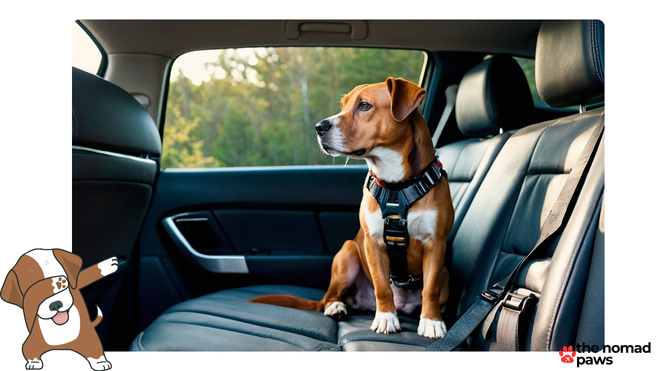
Golden Retrievers generally travel well by car, settling calmly for long trips when properly acclimated. A crash-tested harness (like the Sleepypod Clickit Sport or Kurgo Tru-Fit) or secured crate keeps them safe during transport and prevents them from becoming projectiles in an accident. Their size means they need significant space, plan accordingly for long trips and consider a vehicle with adequate cargo area.
Regular breaks every two to three hours allow for bathroom needs, water, and stretching. Golden Retrievers appreciate these stops and typically settle well between them. Never leave a Golden Retriever in a parked car, even with windows cracked, as temperatures can reach dangerous levels within minutes.
Travel Temperament
This breed’s adaptable nature and low anxiety levels make them good travelers when properly socialized to vehicles and travel experiences. They’re generally calm in new environments, friendly with hotel staff (making check-in easier), and adjust well to temporary accommodations. Their social nature means they enjoy the adventure of new places.
Accommodation Considerations
Many hotels have weight restrictions for pets, commonly 50 pounds or less. This eliminates many Golden Retrievers (55 to 75 pounds) from pet-friendly hotels. Research accommodations carefully and confirm weight policies before booking. Chains like La Quinta, Kimpton, and Red Roof Inn tend to have more generous pet policies, while others like Marriott properties vary by location.
Vacation rentals (Airbnb, VRBO) often offer more flexibility for larger dogs, though pet fees typically range from $25 to $100 per night or a flat fee of $100 to $300 per stay. Always disclose your dog’s size accurately to avoid issues at check-in.
Travel Preparation Tips
Crate training makes travel significantly easier. A dog comfortable in a crate adapts more readily to hotel rooms, car travel, and even cargo travel if necessary. Start crate training early, making the crate a positive space associated with treats, meals, and comfort.
Bring familiar items: their regular food (sudden diet changes cause digestive upset), favorite toys, and bedding that smells like home. Maintaining routine reduces travel stress. Exercise your Golden Retriever thoroughly before travel days (a tired dog is a calm dog) to promote calmness during transit.
Essential Travel Gear
- Crash-tested car harness or secured crate (Sleepypod, Kurgo, Gunner Kennels)
- Portable water bowl and water supply (collapsible bowls save space)
- First aid kit including any medications, gauze, antiseptic, tweezers
- Copies of vaccination records and health certificates (digital and physical)
- Familiar bedding and toys (comfort items reduce stress)
- Waste bags and cleaning supplies (accidents happen)
- Leash, collar with ID tags, and backup collar
International Travel
International travel with a Golden Retriever requires extensive planning. Each country has specific import requirements including quarantine periods (UK requires none with proper documentation, Australia requires 10 days minimum, Hawaii requires 120 days without direct release), vaccination protocols (rabies titers, additional vaccines), microchipping (ISO-compliant 15-digit chips), and health certifications (USDA-endorsed certificates).
Some countries require months of preparation. Research requirements thoroughly at least six months before travel and work with your veterinarian and a pet relocation specialist early in the planning process. Costs for international pet relocation can easily exceed $2,000 to $5,000 including flights, documentation, and quarantine fees.
Golden Retriever Cost of Ownership
Golden Retrievers represent a significant financial commitment over their 10 to 12-year lifespan. Understanding the full cost picture helps prospective owners prepare appropriately and avoid financial surprises that could compromise their dog’s care.
Initial Purchase or Adoption Cost
Purchasing a Golden Retriever puppy from a reputable breeder costs $1,500 to $3,000 as of 2025, with some exceptional show or field lines commanding $3,000 to $4,000. This price reflects health testing of parents (OFA hips, elbows, heart, eyes, plus DNA testing costing breeders $500+ per dog), early socialization, and responsible breeding practices. Puppies priced significantly below this range often come from breeders who skip health testing, creating higher long-term costs through inherited health problems.
Adoption from a rescue organization costs $200 to $500 and often includes spay/neuter, vaccinations, microchipping, and initial vetting. Adult Golden Retrievers are frequently available through breed-specific rescues like Golden Retriever Rescue Resource, GRRAND, or Golden Retriever Freedom Rescue.
First-Year Expenses
The first year is the most expensive, totaling $3,000 to $5,000 including:
- Initial veterinary care (vaccinations, spay/neuter, wellness exam, deworming, flea/tick prevention): $500 to $800
- Supplies (crate $100-$200, bedding $50-$100, bowls $20-$40, leash and collar $30-$60, toys $50-$100, grooming tools $50-$100): $300 to $600
- Training classes (puppy kindergarten, basic obedience): $200 to $400
- Food (puppies eat more frequently): $600 to $1,200
- Grooming supplies or professional grooming: $200 to $600
- Miscellaneous (ID tags, initial medications, puppy-proofing supplies, replacement items for things they destroy): $200 to $500
Annual Recurring Costs
| Expense Category | Annual Cost Range | Notes |
|---|---|---|
| Food | $600 – $1,200 | High-quality large breed formula, 3-4 cups daily |
| Routine Veterinary Care | $500 – $1,500 | Annual exam, vaccinations, heartworm/flea prevention |
| Professional Grooming | $360 – $1,200 | Every 6-8 weeks at $60-$100 per session |
| Pet Insurance | $420 – $840 | $35-$70 monthly, highly recommended for this breed |
| Supplies & Toys | $200 – $400 | Replacement toys, treats, waste bags, etc. |
| Training/Activities | $100 – $500 | Ongoing classes, dog sports, enrichment activities |
| Total Annual | $2,180 – $5,640 | Healthy dog, no major medical issues |
These figures assume a healthy dog. Health issues dramatically increase costs and are common in this breed.
Unexpected Medical Expenses
Hip dysplasia surgery costs $5,000 to $7,000 per hip, and bilateral cases (both hips) can reach $10,000 to $14,000. Elbow dysplasia surgery costs $2,000 to $4,000 per elbow. Cancer treatment can exceed $10,000 depending on the type and treatment protocol (chemotherapy for lymphoma runs $3,000 to $8,000, hemangiosarcoma treatment $5,000 to $10,000). Hypothyroidism medication runs approximately $700 to $800 annually for life.
Emergency veterinary visits for acute issues (bloat, foreign body ingestion, injuries) cost $1,000 to $5,000 depending on severity and required treatment. Pet insurance costing $35 to $70 monthly ($420 to $840 annually) makes financial sense for a breed with these health predispositions. Policies typically cover 70% to 90% of eligible expenses after the deductible ($250 to $1,000 annually).
Travel-Related Costs
If you travel with your Golden Retriever, add cargo flight fees ($200 to $500 per one-way trip), airline-approved crate ($100 to $300), health certificate for travel ($50 to $150), pet-friendly accommodation fees ($25 to $100 per night), and potential boarding costs ($30 to $75 per day) when you can’t bring them.
Lifetime Cost Estimate
Over a 10 to 12-year lifespan, expect to spend $25,000 to $35,000 on a Golden Retriever, assuming average health. Dogs with significant health issues can easily exceed $40,000 to $60,000 lifetime when factoring in major surgeries, cancer treatment, and ongoing medication costs.
The sticker price of a Golden Retriever puppy is just the beginning. The real cost is the decade-plus commitment to food, veterinary care, grooming, and potential health issues. Budget accordingly and consider pet insurance seriously for this breed.
Finding a Golden Retriever
Where you get your Golden Retriever matters enormously. The source determines not just the initial cost but often the long-term health and temperament of your dog, which affects your experience and expenses for the next decade.
Reputable Breeders
A responsible breeder conducts comprehensive health testing on breeding dogs including OFA hip and elbow evaluations (or PennHIP), cardiac exams by board-certified cardiologists, annual eye certifications by board-certified ophthalmologists, and DNA testing for genetic conditions (PRA variants, ichthyosis, neuronal ceroid lipofuscinosis). They should provide documentation of all testing with OFA registration numbers you can verify online.
Good breeders interview potential owners extensively, asking about your lifestyle, experience, exercise plans, and expectations. They want to ensure their puppies go to appropriate homes where they’ll thrive. They also offer lifetime support, answering questions throughout the dog’s life, and will take a dog back if circumstances change rather than having it end up in rescue.
Red flags include breeders who always have puppies available (responsible breeders have waiting lists), don’t health test (“my dogs are healthy” isn’t the same as documented testing), won’t let you meet the parents (at least the mother should be on-site), sell puppies before 8 weeks (illegal in many states), or pressure you to buy immediately. The Golden Retriever Club of America maintains a breeder referral list of members who follow the club’s code of ethics.
Rescue Organizations
Breed-specific Golden Retriever rescues place adult dogs and sometimes puppies surrendered by owners or rescued from shelters. Organizations like Golden Retriever Rescue Resource, GRRAND (Golden Retriever Rescue and Adoption of Needy Dogs), and Golden Retriever Freedom Rescue thoroughly evaluate dogs for temperament and health, providing detailed information about each dog’s needs, personality, and any behavioral or medical issues.
Adoption fees ($200 to $500) typically include spay/neuter, vaccinations, microchipping, and initial medical care. Adult Golden Retrievers from rescue can be excellent choices, particularly for owners who want to skip the demanding puppy stage (house training, teething, high energy) or for those who want a dog with a known temperament.
What to Avoid
Pet stores typically source puppies from commercial breeding operations (puppy mills) where health testing is minimal, conditions are often poor, and profit takes priority over welfare. These puppies frequently have health and behavioral issues that create long-term costs and heartbreak.
Online sellers who ship puppies sight-unseen raise similar concerns. Legitimate breeders want to meet potential owners and don’t ship puppies like packages. Backyard breeders who breed their pet Golden “just once” or “for the kids to see puppies” rarely conduct health testing and may inadvertently perpetuate genetic health issues while contributing to pet overpopulation.
Golden Retriever vs Other Breeds
Golden Retrievers are most commonly compared to Labrador Retrievers, given their similar size, temperament, and purpose. Labs tend to be slightly more boisterous and higher energy, particularly in their younger years, with a reputation for being “perpetual puppies” well into adulthood. Labs have shorter, easier-to-maintain coats requiring significantly less grooming (weekly brushing vs. daily during shedding seasons), but are equally prone to obesity and food motivation. Both breeds are excellent family dogs, but Goldens are often described as slightly calmer indoors and more sensitive to correction, while Labs have a reputation for being more resilient and “bombproof” in temperament.
Compared to Labradoodles (a Golden alternative for allergy sufferers), Golden Retrievers have predictable traits as a purebred, while Labradoodles vary significantly in coat type, size, and temperament depending on generation. Labradoodles may shed less (though this isn’t guaranteed), but Golden Retrievers have more consistent temperaments and established health testing protocols.
Against other retriever breeds like Flat-Coated Retrievers, Golden Retrievers are generally calmer and mature earlier. Flat-Coats maintain puppy-like exuberance until 3 to 4 years old, while Goldens typically settle by 2 to 3 years. Chesapeake Bay Retrievers are more protective and less universally friendly with strangers, making them better guard dogs but less suitable for therapy work.
Choose a Golden Retriever if you want a friendly, trainable family dog with a beautiful coat and don’t mind significant grooming and shedding. Consider a Labrador instead if you want similar temperament with easier coat maintenance and slightly higher energy. Choose a different breed entirely if heavy shedding is a dealbreaker, you need a protective guard dog, or you can’t commit to 60 to 90 minutes of daily exercise.
Is a Golden Retriever Right for You?
This breed is perfect if you:
- Want an exceptionally friendly, social dog that gets along with everyone (people, dogs, cats)
- Can commit to 60 to 90 minutes of daily exercise including swimming, fetch, hiking, or dog sports
- Don’t mind heavy shedding and can dedicate time to daily brushing during shedding seasons
- Have experience with or are prepared for potential significant health expenses ($5,000+ for hip surgery, $10,000+ for cancer treatment)
- Value trainability and want a dog for activities like therapy work, service dog training, dog sports, or advanced obedience
- Have a family with children and want a patient, gentle companion that tolerates chaos
- Live in a house with a yard or have easy access to exercise areas (parks, trails, water)
- Are home frequently or can provide companionship (this breed doesn’t do well alone for 8+ hours daily)
Consider a different breed if you:
- Want a low-maintenance coat or can’t tolerate dog hair throughout your home, on your clothes, and in your car
- Need a guard dog or protective breed (Golden Retrievers befriend intruders and alert bark at best)
- Can’t provide substantial daily exercise and mental stimulation (under-exercised Goldens are destructive)
- Live in a small apartment without easy access to exercise areas or outdoor space
- Aren’t prepared for potential health issues and associated costs (cancer affects 60%+ of the breed)
- Want a dog that can fly in airplane cabins for frequent travel (Goldens must fly cargo)
- Prefer an independent dog that doesn’t need constant companionship (Goldens are velcro dogs)
- Work long hours and can’t provide midday breaks or companionship
Frequently Asked Questions
Are Golden Retrievers good for first-time dog owners?
Yes, Golden Retrievers are excellent for first-time owners due to their trainable nature, gentle temperament, and eagerness to please. They rank fourth in canine intelligence and respond exceptionally well to positive reinforcement training. However, beginners must understand the commitment: 60 to 90 minutes of daily exercise, significant grooming requirements (daily brushing during shedding seasons), and potential health expenses that can reach thousands of dollars. First-time owners who research the breed thoroughly, commit to training classes, and can provide adequate exercise typically do very well with Golden Retrievers.
How much do Golden Retrievers shed?
Golden Retrievers shed heavily year-round with two major seasonal coat blows (spring and fall) when they shed their dense undercoat. Daily brushing during shedding seasons (expect to fill a grocery bag with hair weekly) and two to three times weekly during normal periods is essential. No amount of brushing eliminates shedding entirely. You will find golden hair on furniture, clothes, floors, and in your car. Vacuuming becomes a daily or every-other-day task. This is a high-shedding breed unsuitable for people who can’t tolerate dog hair as a permanent part of their environment.
Can Golden Retrievers fly in airplane cabins?
No, Golden Retrievers are too large for cabin travel on commercial airlines. Most carriers restrict cabin pets to those whose carriers fit under the seat (typically 18 x 11 x 11 inches), with weight limits of 20 to 40 pounds total (pet plus carrier). Golden Retrievers (55 to 75 pounds) exceed these limits by 35 to 55 pounds. They must travel in cargo or checked baggage, requiring IATA-approved crates (400 or 500 series, approximately 40 to 48 inches long) and costing $200 to $500 per one-way trip. Many airlines also restrict cargo pet travel during temperature extremes (above 85°F or below 45°F), limiting travel options.
What is the average lifespan of a Golden Retriever?
Golden Retrievers typically live 10 to 12 years with proper health care, nutrition, and regular veterinary monitoring. Factors that can extend lifespan include maintaining ideal body weight (obesity shortens lifespan by up to 2 years), providing appropriate exercise, conducting recommended health screenings (OFA hips, elbows, heart, eyes), and addressing health issues promptly. Unfortunately, cancer is the leading cause of death in the breed, affecting over 60% of Golden Retrievers and often appearing between 6 to 10 years of age.
How much exercise do Golden Retrievers need daily?
Golden Retrievers need 60 to 90 minutes of daily physical exercise plus 15 to 20 minutes of mental stimulation. This should include activities like walks, fetch, swimming (their favorite), hiking, or dog sports. A quick 20-minute walk is insufficient for this high-energy breed developed to retrieve game all day in the Scottish Highlands. Under-exercised Golden Retrievers develop behavioral problems including destructive chewing, excessive barking, hyperactivity, and jumping on people. A tired Golden is a well-behaved Golden. Working lines (field-bred dogs) may need even more exercise, up to 120 minutes for high-drive individuals.
Are Golden Retrievers prone to specific health problems?
Yes, Golden Retrievers are predisposed to several serious health conditions. Hip dysplasia affects approximately 19.9% of the breed according to OFA data. Elbow dysplasia affects around 10.3%. Cancer is the most concerning issue, with hemangiosarcoma affecting an estimated 20% and lymphoma affecting 5 to 6%. Overall, over 60% of Golden Retrievers die from cancer. Other conditions include subvalvular aortic stenosis (heart condition), progressive retinal atrophy (eye disease causing blindness), and hypothyroidism. Comprehensive health screening including OFA evaluations for hips, elbows, heart, and eyes plus DNA testing is essential when selecting a puppy.