

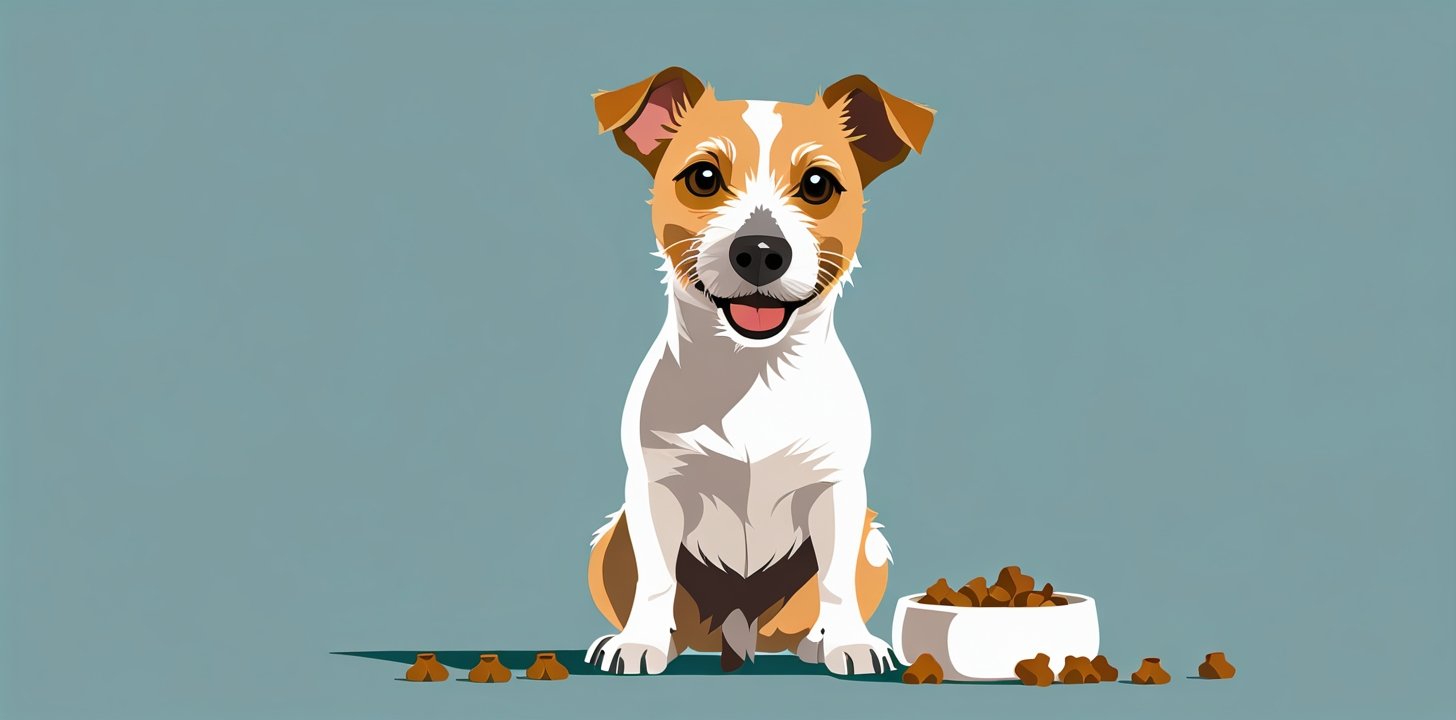
Your Jack Russell Terrier burns calories like a furnace but fits in a 13-17 pound frame. This creates the breed’s central nutritional challenge: you need calorie-dense food that fuels relentless energy without tipping into obesity.
Generic small-breed formulas underestimate their needs by 100-200 calories daily. Feed by the chart on the bag, and you’re either underfueling a hyperactive dog or overfeeding one who’s slowed down. Neither ends well.
JACK RUSSELL NUTRITION AT A GLANCE
PROTEIN TARGET: 25-30% crude protein (dry matter basis)
DAILY CALORIES: 450-650 kcal for active adults (13-17 lbs)
JOINT SUPPORT: Glucosamine 250-500 mg + chondroitin daily minimum
Understanding Jack Russell Terrier Nutritional Needs

Jack Russell Terriers require 25-30% protein content in their food due to their exceptional energy levels and small size. This isn’t marketing fluff. Small breeds metabolize food up to 30% faster than large breeds, and Jack Russells sit at the extreme end of that spectrum.

Small breed dogs like Jack Russell Terriers metabolize food faster and need calorie-dense nutrition. Their basal metabolic rate demands nutrient-packed kibble in smaller volumes. A 15-pound Jack Russell needs roughly 500 calories daily at normal activity, but that same caloric load in a low-quality food means feeding cups of filler-heavy kibble that their small stomach can’t comfortably handle.
The breed’s predisposition to patellar luxation makes joint-supporting nutrients essential in their diet from puppyhood forward. You’re not treating a problem; you’re investing in cartilage health before the kneecap starts slipping. This means specific ingredients at specific dosages, not vague “joint support” claims on the bag.
Key Nutrients Your Jack Russell Terrier Needs
The guaranteed analysis on the label tells you what matters. Here’s how to decode it for this breed.
| Nutrient | Target Range | Why It Matters for Jack Russells |
|---|---|---|
| Protein | 25-30% (dry matter) | Maintains lean muscle mass at their 13-17 lb frame; primary fuel source for high-energy activity levels that exceed typical small breed needs. |
| Fat | 12-18% | Provides concentrated calories (9 kcal/gram vs. 4 for protein/carbs) to meet 450-650 kcal daily needs without overfeeding volume. |
| Fiber | 3-5% | Supports digestive health and satiety; prevents overeating in a breed prone to obesity if activity drops. |
| Glucosamine | 250-500 mg/day | Supports cartilage health against patellar luxation risk; dosage scaled for 13-17 lb body weight. |
| Chondroitin | 130+ mg/day | Works synergistically with glucosamine; reduces joint inflammation common in predisposed terriers. |
| EPA/DHA (Omega-3) | 25-60 mg/day | Anti-inflammatory for joints; supports eye health against lens luxation risk; improves cognitive function. |
| Calcium:Phosphorus | 1.2-1.8:1 (puppies) | Critical ratio for bone development; prevents skeletal issues like Legg-Calvé-Perthes disease in growing dogs. |
The AAFCO minimum for adult dogs is 18% protein and 5% fat. That’s survival nutrition, not optimization. For a Jack Russell’s energy output, you need the higher end of the spectrum.
Health Conditions and Ingredient Connections
Jack Russells come with predictable weak points. The right food addresses them before they become veterinary bills.
Patellar Luxation (Kneecap Dislocation)
What to look for: Glucosamine (250-500 mg daily for 13-17 lb dogs), chondroitin (130+ mg), omega-3 fatty acids from fish oil or algal oil (EPA/DHA totaling 25-60 mg daily).
Why it works: Glucosamine and chondroitin support cartilage structure and reduce inflammation. Studies show improvement in joint symptoms within 4-6 weeks. Omega-3s provide additional anti-inflammatory effects that reduce stress on the joint.
What to avoid: Excess calcium beyond AAFCO requirements, which can contribute to skeletal abnormalities.
Legg-Calvé-Perthes Disease (Hip Joint Degeneration)
What to look for: Same joint-supporting trio as patellar luxation (glucosamine, chondroitin, omega-3s), plus hyaluronic acid and boswellia extract if available.
Why it works: These ingredients support joint lubrication and reduce inflammation in the hip joint. Omega-3s from fish oil specifically target vascular inflammation that may contribute to the disease.
What to avoid: High-phosphorus foods if your vet suspects vascular issues contributing to the condition.
Lens Luxation (Eye Lens Displacement)
What to look for: Lutein, zeaxanthin, vitamin A, bilberry extract, taurine, astaxanthin. Look for foods with blueberries, carrots, or dedicated eye-health blends.
Why it works: These antioxidants protect retinal health and support ocular blood flow. While no specific therapeutic percentage exists, daily intake from whole-food sources or supplements supports long-term eye health.
Dental Disease
What to look for: Small kibble size with textured surface, polyphosphates, zinc, or chlorhexidine coatings. Avoid sticky carbohydrates.
Why it works: Textured kibble provides mechanical cleaning as the dog chews. Polyphosphates bind calcium in saliva, reducing plaque formation by 20-30%. Small kibble size encourages actual chewing rather than swallowing whole.
Reality check: No kibble replaces brushing. But the right texture helps between cleanings.
Obesity (If Activity Drops or Overfeeding Occurs)
What to look for: High protein (25-30%), L-carnitine for fat metabolism, controlled calories. Reduce daily intake by 20% if your dog becomes sedentary.
Why it works: Protein preserves lean muscle during weight loss. L-carnitine helps the body use fat for energy rather than storing it.
What to avoid: Fillers like corn and soy that add calories without nutrition. Check body condition score monthly; you should feel ribs easily without pressing.
Common Food Sensitivities in Jack Russell Terriers

About 15% of dogs in sensitivity studies react to chicken, and Jack Russells appear on the higher end due to widespread exposure. Symptoms include itchy skin, ear infections, paw licking, and digestive upset.
Wheat and corn are the next common triggers. These grains cause skin irritation and GI issues in sensitive dogs. While no breed-specific percentage exists, veterinary nutritionists often recommend grain-free or limited-ingredient diets for Jack Russells showing chronic itching or recurrent infections.
Artificial preservatives like BHA, BHT, and ethoxyquin have been linked to sensitivities in some dogs. Look for foods preserved with mixed tocopherols (vitamin E) or rosemary extract instead.
Novel Protein Alternatives
If your dog shows sensitivity symptoms, switch to proteins they haven’t eaten before. Salmon, lamb, turkey, or novel options like kangaroo provide high-quality amino acids without the exposure history that triggers reactions.
Sweet potatoes and peas replace grain-based carbohydrates in sensitive-stomach formulas. These provide digestible energy without common allergen triggers.
What to Look for on the Label
The ingredient list is ordered by weight before cooking. The first five ingredients should be recognizable animal proteins or protein meals, not grain fragments.
“Chicken meal” is concentrated protein (about 65% protein vs. 18% in whole chicken). It’s not inferior to “deboned chicken.” Both are legitimate protein sources; meal just has the water removed before weighing.
The AAFCO statement is your non-negotiable baseline. It must say “complete and balanced” for your dog’s life stage. Foods that passed feeding trials (not just formulation) have proven digestibility and nutrient availability in actual dogs.
Decoding the Guaranteed Analysis
This section gives you the hard numbers. For Jack Russells, verify protein is 25-30% and fat is 12-18% on an “as-fed” basis (the percentage as it comes from the bag).
Ignore front-of-pack claims about “natural,” “premium,” or “holistic.” These terms are unregulated marketing. The guaranteed analysis and ingredient list tell the real story.
Best Foods for Jack Russell Terriers in 2026

These formulas meet the breed’s specific needs: high protein for energy, small kibble for dental benefits, joint-supporting ingredients, and options for sensitive stomachs.
| Product | Why It Suits Jack Russells | Protein/Fat | Key Features | Price Tier |
|---|---|---|---|---|
| American Journey Protein & Grains Beef | High protein (30%) with grain-inclusive formula; passed AAFCO feeding trials; includes glucosamine/chondroitin for joints. | 30% / 14% | Deboned beef first ingredient, brown rice, peas, fish oil for omega-3s | Mid-range ($2.00-2.50/lb) |
| Zignature Turkey Formula | Novel protein for sensitivities; 45% protein (dry matter); low carb; suitable for all life stages including seniors needing joint support. | 32% / 15% | Turkey, turkey meal, no chicken/corn/wheat, added glucosamine | Premium ($3.00-3.50/lb) |
| Royal Canin Jack Russell Terrier Adult | Breed-specific formula with small kibble designed for JRT jaw; includes EPA/DHA and targeted calcium levels for joint health. | 28% / 16% | Chicken by-product meal, brewers rice, dental texture kibble | Premium ($3.50-4.00/lb) |
| Open Farm Freeze-Dried Raw Beef | High protein (44%) with no chicken; grain-free novel protein option; humanely raised meats; requires rehydration. | 44% / 30% | Grass-fed beef, non-GMO vegetables, no artificial preservatives | Premium ($8.00-10.00/lb rehydrated) |
| Purina Pro Plan Small Breed Formula | WSAVA-compliant brand with feeding trials; includes omega-6 fatty acids and glucosamine; widely available. | 29% / 17% | Chicken, rice, fish oil, fortified with probiotics | Mid-range ($2.25-2.75/lb) |
| Instinct Raw Boost Small Breed | Kibble plus freeze-dried raw pieces for high protein; includes organ meats for nutrient density; grain-free option. | 37% / 20% | Chicken, chicken meal, freeze-dried chicken, probiotics | Premium ($3.25-3.75/lb) |
Grain-Inclusive (American Journey, Purina Pro Plan)
Pros: Lower DCM risk; digestible carbs from rice/oats; often more affordable; meets traditional AAFCO standards.
Best for: Jack Russells without grain sensitivities; owners prioritizing heart health research; budget-conscious feeding.
Grain-Free (Zignature, Open Farm, Instinct)
Pros: Eliminates wheat/corn allergens; often higher protein percentages; uses sweet potato/peas for carbs.
Best for: Dogs with confirmed grain sensitivities; owners wanting novel protein options; high-activity dogs needing maximum protein.
Caution: Some grain-free diets linked to DCM in FDA studies. Choose AAFCO-compliant formulas and consult your vet.
Feeding Guide by Life Stage
A standard measuring cup is unreliable here. Your Jack Russell’s needs shift dramatically based on age, activity, and individual metabolism.
| Life Stage | Daily Calories | Cups/Day* | Meals/Day | Key Adjustments for Jack Russells |
|---|---|---|---|---|
| Puppy (2-6 months) | ~55 kcal/lb body weight (715 kcal max for 13 lb pup) | ¾ – 1¼ cups (varies by food calorie density) | 3-4 | High-energy growth phase; maintain Ca:P ratio 1.2-1.8:1 for bone development; transition to 2 meals at 6 months. |
| Puppy (6-12 months) | ~45 kcal/lb (700-765 kcal for 15-17 lb adolescent) | 1 – 1½ cups | 2 | Growth slows; monitor body condition; transition to adult food at 10-12 months or when reaching adult weight. |
| Adult (1-10 years) | 450-650 kcal (13-17 lbs, activity-adjusted) | 1 – 1½ cups | 2 | Low activity: 380-430 kcal; Normal: 450-520 kcal; High activity: 550-650 kcal. Adjust by 20% based on exercise level, not just weight. |
| Senior (10+ years) | 375-500 kcal (reduce 10-20% from adult) | ¾ – 1¼ cups | 2 | Metabolism slows; maintain protein 25-30% to preserve muscle; increase omega-3s and antioxidants for cognitive/joint support. |
*Cup measurements based on average 350-400 kcal/cup dry food. Check your specific food’s calorie content and adjust accordingly.
Generic small-dog feeding charts underestimate high-activity Jack Russell needs by 100-200 calories daily. An active 15-pound Jack Russell may need 600 calories, while a sedentary one needs 400. The difference between proper fueling and obesity is reading your individual dog, not the chart.
Adjusting for Activity Level
A Jack Russell who runs agility courses needs 50% more calories than one who naps between short walks. Start with the mid-range calorie target for their weight, then adjust based on body condition.
Body Condition Score (BCS) check: You should feel ribs easily without pressing hard, but not see them prominently. A visible waist when viewed from above. If ribs disappear under fat, reduce portions by 10-15%. If ribs are visible at rest, increase by 10%.
Treats count. Limit to 10% of daily calories maximum. A single dental chew can be 50-80 calories, which is 10-15% of a small Jack Russell’s daily budget.
Puppy Nutrition: Setting Up for Long-Term Health

Jack Russell puppies need roughly 800-900 calories daily until they reach adult weight around 10-12 months. This fuels rapid growth without overloading developing joints.
Feed 3-4 small meals daily until 6 months old, then transition to twice-daily feeding. Small, frequent meals prevent hypoglycemia (low blood sugar) common in small-breed puppies and support consistent energy for their activity bursts.
The calcium-to-phosphorus ratio (1.2-1.8:1) is critical during growth. Too much calcium can cause skeletal abnormalities; too little affects bone density. AAFCO-compliant puppy foods get this right, but avoid supplementing calcium without veterinary guidance.
Transition to adult food when your puppy reaches 90% of expected adult weight (usually 10-12 months for Jack Russells). Continuing puppy food past this point risks excess calories and weight gain.
Senior Dog Considerations

Jack Russells typically reach senior status around 10 years old, though many remain active well into their teens. Their caloric needs drop 10-20% as metabolism slows, but protein needs stay high to preserve muscle mass.
Reduce daily calories to 375-500 kcal depending on activity level, but maintain 25-30% protein. Senior formulas that drop protein to 18-20% may cause muscle wasting in this breed.
Increase joint-supporting ingredients. Look for foods with higher levels of glucosamine (500+ mg), chondroitin, and omega-3 fatty acids. Add antioxidants like vitamin E and selenium for cognitive support.
Monitor weight monthly. Senior Jack Russells can gain weight quickly if portions aren’t adjusted, putting additional stress on aging joints.
Common Feeding Mistakes to Avoid

Free-feeding doesn’t work for this breed. Jack Russells will overeat if given constant access to food, and 20-30% of dogs in free-feeding studies consume excess calories. Measured meals twice daily prevent obesity.
Ignoring activity changes is the fastest route to weight gain. A Jack Russell who goes from daily runs to couch life needs 20-30% fewer calories immediately. Adjust portions within a week of activity changes, not after weight gain appears.
Overfeeding treats is easier than you think. That “small” training treat is 15-20 calories. Give ten during a training session, and you’ve added 150-200 calories (30-40% of daily needs). Use kibble from the daily ration for training instead.
Feeding by the cup instead of calories creates inconsistency. A cup of one food might be 320 calories; another is 450 calories. Always check the calorie content per cup on your specific food’s label and calculate portions from there.
Myths About Jack Russell Nutrition
Myth: Small breeds need low protein to protect their kidneys
Reality: This outdated advice has been debunked. Healthy dogs handle 25-30% protein without kidney stress. AAFCO minimum is 18%, but Jack Russells thrive on the higher end for energy and muscle maintenance.
Harm if believed: Low-protein diets cause muscle loss and inadequate energy for high-activity dogs.
Myth: Free-feeding is fine for high-energy dogs
Reality: Measured meals twice daily prevent obesity. Studies show 20-30% of free-fed dogs overeat, and Jack Russells are food-motivated enough to fall into this category.
Harm if believed: Weight gain stresses joints already predisposed to patellar luxation.
Myth: All kibble cleans teeth equally
Reality: Only textured kibble with specific coatings (polyphosphates, zinc) reduces plaque. Small kibble size matters for Jack Russells to encourage chewing rather than swallowing whole.
Harm if believed: Dental disease progresses unchecked, requiring costly cleanings or extractions.
Myth: Grain-free diets prevent all food allergies
Reality: Most food sensitivities are protein-based (chicken, beef), not grain-based. Grain-free diets have been linked to DCM in some FDA studies, though causation isn’t proven.
Harm if believed: Switching to grain-free doesn’t address the actual allergen and may introduce cardiac risk.
When to Consult Your Veterinarian
Schedule a vet visit if your Jack Russell shows these signs, regardless of food quality:
- Weight gain despite normal activity: May indicate thyroid issues or metabolic changes requiring medical intervention.
- Itching, ear infections, or paw licking after meals: Suggests food sensitivity requiring elimination diet protocol.
- Limping, reluctance to jump, or “bunny hopping”: Potential patellar luxation or Legg-Calvé-Perthes disease needing diagnosis before nutritional intervention.
- Cloudiness in eyes or vision changes: May indicate lens luxation requiring immediate veterinary attention.
- Chronic digestive upset: Diarrhea or vomiting lasting more than 48 hours needs professional evaluation.
Veterinary nutritionists (DACVN) recommend AAFCO-trialed foods with 25-35% protein for small, active breeds. If your dog has diagnosed health conditions, ask about therapeutic diets formulated for joint support or food sensitivities.
Frequently Asked Questions
How much should I feed my Jack Russell Terrier daily?
Adult Jack Russell Terriers typically need 450-650 calories daily, divided into two meals, but adjust based on activity level and weight. A 15-pound dog doing agility needs closer to 600 calories, while a less active 13-pound dog may need only 400 calories. Measure portions by calories, not cups, since calorie density varies by food (check the label for kcal/cup). Monitor body condition monthly and adjust portions by 10% if you see weight changes.
What is the best protein source for Jack Russell Terriers?
High-quality animal proteins like salmon, lamb, turkey, or novel proteins work well, especially for dogs with chicken sensitivities. Look for foods where a named meat or meat meal appears in the first three ingredients. Salmon provides omega-3s for joint and eye health. Novel proteins like kangaroo or venison work for elimination diets. Aim for 25-30% crude protein on the guaranteed analysis to support their energy needs and lean muscle mass.
Can Jack Russell Terriers eat grain-free food?
Yes, but ensure the food meets AAFCO standards and consult your vet, as some grain-free diets have been linked to heart issues in FDA studies. Grain-free isn’t automatically better unless your dog has confirmed grain sensitivities. If choosing grain-free, select formulas that have passed AAFCO feeding trials (not just formulation) and avoid foods with peas or legumes as the primary ingredients. Many Jack Russells do fine on grain-inclusive foods with rice or oats.
How often should I feed my Jack Russell Terrier puppy?
Jack Russell puppies need 3-4 small meals daily until 6 months old, then transition to twice-daily feeding. This prevents hypoglycemia (low blood sugar) common in small breeds and supports consistent energy. Puppies need approximately 800-900 calories daily during peak growth (2-6 months), divided across those meals. Transition to adult food around 10-12 months when they reach 90% of expected adult weight.
What foods should I avoid feeding my Jack Russell Terrier?
Avoid foods with artificial preservatives (BHA, BHT, ethoxyquin), excessive fillers (corn, wheat, soy as primary ingredients), and common allergens like chicken if your dog shows sensitivities. Skip foods where by-products appear as the first ingredient or where the guaranteed analysis shows protein below 25%. Also avoid feeding table scraps high in fat or salt, which can cause pancreatitis or digestive upset. Toxic foods for all dogs include chocolate, grapes, onions, and xylitol.
Veterinary Disclaimer: This article provides general nutritional information for Jack Russell Terriers and should not replace professional veterinary advice. Consult your veterinarian before making significant dietary changes, especially if your dog has diagnosed health conditions, food sensitivities, or is on medication. Individual nutritional needs vary based on age, activity level, health status, and metabolism.