
Flying with a dog starts with one non-negotiable rule: call the airline’s pet desk to reserve your dog’s spot within 48 hours of purchasing your ticket. Most flights allow only 1-2 pets in the cabin, and slots cannot be booked online. Miss this window and you may be turned away at the gate.
Requirements and Regulations
Most U.S. airlines require a health certificate issued within 10 days of departure for domestic flights. The certificate must come from a USDA-accredited veterinarian and use APHIS Form 7001 for international travel. For all U.S. entries since August 2024, a CDC Dog Import Form receipt is mandatory regardless of origin country.
USDA-endorsed health certificates for international pet travel are valid for 30 days from issuance and must be issued by a USDA-accredited veterinarian. Domestic certificates expire in 10 days. Both requirements are current as of 2026 per USDA APHIS.
International travel adds rabies vaccination proof (valid 1-3 years, effective 21-30 days post-vaccination). EU and UK destinations require a microchip and tapeworm treatment. Dogs entering the U.S. from high-risk rabies countries require pre-departure U.S. vaccination certification as of 2026, and this rule is non-retroactive.
The CDC no longer requires negative rabies certificates for dogs entering the U.S. from most countries as of 2024, but individual states may have additional entry requirements. Verify state-level rules before booking.
Verify current requirements at aphis.usda.gov/pet-travel and cdc.gov/importation/bringing-an-animal-into-the-united-states.html. Contact USDA APHIS directly at AskVETS@usda.gov or CDC at 800-232-4636.
Key Takeaway: All U.S. dog entries require a CDC Dog Import Form receipt since August 2024. Health certificates expire in 10 days for domestic travel and 30 days for international travel. Both deadlines are hard cutoffs at check-in.
Step-by-Step Preparation Timeline
Start 8 weeks out to avoid the two most common trip-killers: filled pet slots and expired health certificates.
| Timeframe | Action |
|---|---|
| 8 weeks out | Research airline pet policies and destination import rules. Begin crate training. Update rabies vaccination now if first-time (must be effective 21-30 days before travel). |
| 4 weeks out | Schedule USDA-accredited vet appointment for health certificate. Confirm microchip is registered. Begin vet-approved anxiety management if needed. |
| 2 weeks out | Complete final vet visit for required treatments and tests. Purchase IATA-compliant carrier. Practice airport simulations: crate, car ride, crowd noise. |
| 48 hours out | Call the airline pet desk (not general reservations) to add your pet. Confirm slot availability, breed eligibility, and carrier dimensions. No online booking option exists for most carriers. |
| Day of travel | Arrive 3+ hours early for pet check-in. Obtain acclimation certificate if ground temps are borderline. Allow bathroom break before security. Bring extra food, water, and pee pads. |
| Post-flight | Move dog to a quiet space. Offer water and a bland diet for 24 hours. Short walks only for the first day to allow stress recovery. |
[VERIFY: 2026] Airline pet desk phone numbers change. Call the main reservations line and ask to be transferred to the pet travel desk specifically.
Tip: Call the airline pet desk directly rather than general reservations. Pet desk agents confirm slot availability, breed eligibility, and carrier dimensions in one call. For Delta, call 1-800-221-1212 and ask for the pet travel desk. For United, call 1-800-864-8331. For American, call 1-800-433-7300.
Cost Breakdown
Cabin fees for small dogs on major U.S. carriers run $125-200 one-way in 2026 per published airline fee schedules. Total trip costs including carrier, health certificate, and vet visits typically reach $200-500+ for a domestic cabin trip.

| Item | Cost Range (One-Way) |
|---|---|
| Cabin fee, Delta (domestic) | $150 |
| Cabin fee, Delta (international) | $200 |
| Cabin fee, United (domestic) | $125-150 |
| Cabin fee, American (domestic) | $150 |
| Health certificate (USDA-accredited vet) | $50-150 |
| Vet exam and visit fees | $100+ |
| Microchip (if not already done) | $50 |
| IATA-compliant soft carrier | $50-200 |
| Rabies titer test (international only) | $150-300 |
| Acclimation letter (if required) | $25 |
| Total, cabin small dog (domestic) | $200-500+ |
| Total, cargo or large dog | $800+ |
Hidden costs to budget for: United charges excess layover fees on some international itineraries ($100+). Cargo fees run $200-500 extra on top of base airline charges and carry higher risk. Reusing a carrier across trips and bundling health certificate and exam into one vet visit are the most reliable ways to reduce costs.
| Airline | Cabin Fee (Domestic 2026) | International Fee | Weight Limit (with carrier) |
|---|---|---|---|
| Delta | $150 | $200 | Fits under seat, approx. 20 lbs |
| United | $125-150 | Varies | 20 lbs |
| American | $150 | Limited routes | 20 lbs |
| Southwest | $95-125 | N/A (domestic only) | 20 lbs |
[VERIFY: 2026] Airline fees increase annually. Confirm current fees at the airline’s official pet travel page before booking: delta.com, united.com, aa.com, southwest.com.
Equipment and Preparation
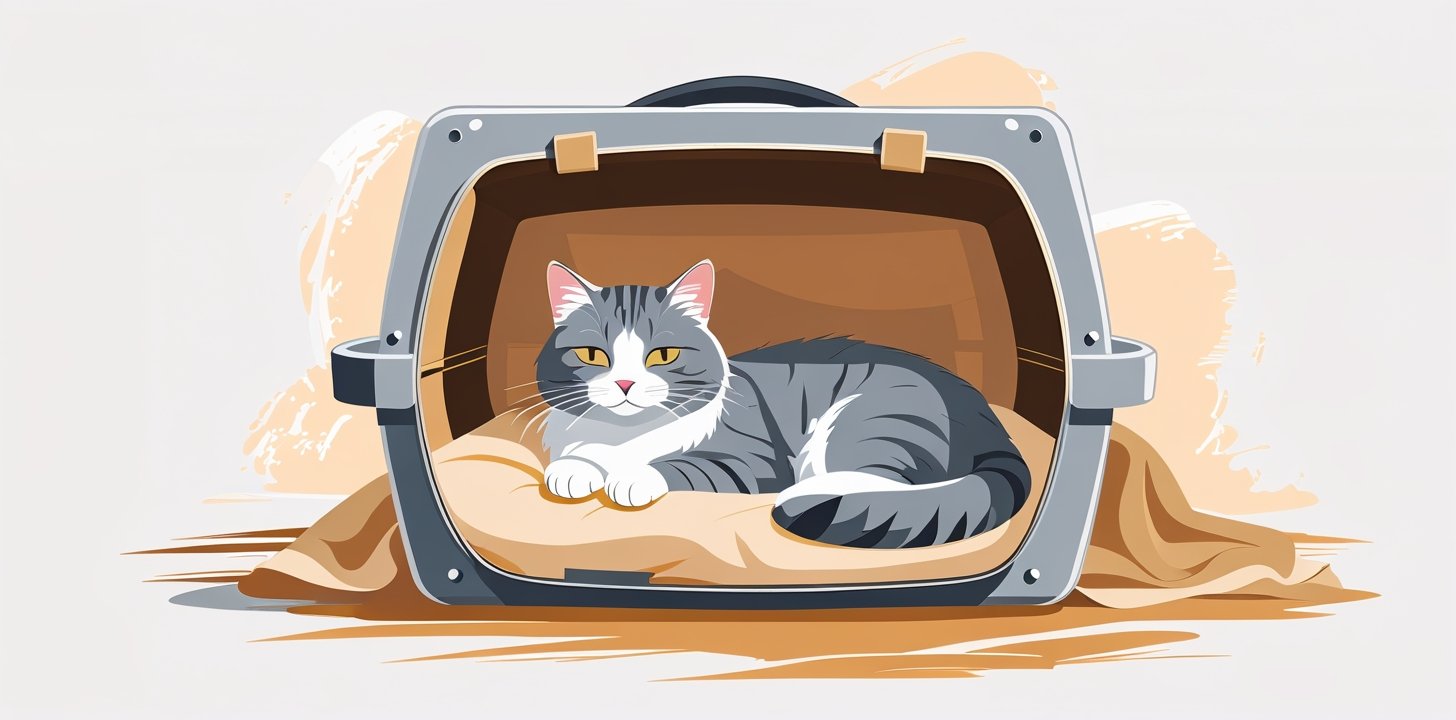
Soft-sided carriers are required or strongly preferred for cabin travel on most U.S. airlines. Delta’s published maximum is 18x11x11 inches; most carriers cap dimensions around 19x13x9 inches with a total weight limit of 20 lbs including the dog. Measure your carrier and weigh your dog inside it before the airport.
For cargo, IATA Live Animal Regulations specify crate sizing by formula: length = A + half of B, width = 2xC, height = D, where measurements are taken from the dog’s body. Add 10% to height for snub-nosed breeds. Label all sides “Live Animal” with upward arrows and owner contact information. Secure all wheels and handles.
Pack for 2-3 days beyond your trip length: food, collapsible water bowls, medications, pee pads, and a familiar toy or blanket with your scent. Crate train over 4 weeks minimum: feed meals inside the crate, practice with the door closed, and build up to full confinement periods. Fast your dog 4-6 hours before the flight to reduce nausea and accidents.
[VERIFY: vet] CBD and melatonin for travel anxiety require veterinary approval. Dosing varies by weight and formulation.
Warning: Do not sedate your dog with over-the-counter products before flying without explicit veterinary prescription. Sedation at altitude increases the risk of airway collapse and respiratory distress. The American Veterinary Medical Association advises against sedation for air travel in most cases.
Breed-Specific Restrictions
Brachycephalic (flat-faced) breeds are banned from cargo on Delta, United, and American Airlines due to documented breathing risks at altitude and in temperature-variable cargo holds. Affected breeds include Bulldogs, Pugs, Boxers, Boston Terriers, Shih Tzus, and Mastiffs. Small brachycephalic dogs may still qualify for cabin travel if they fit within carrier dimensions and weight limits. [VERIFY: 2026] Cabin allowances for brachycephalic breeds vary by airline and change without notice.

For specific guidance on can pugs fly on planes, check airline policies directly as restrictions change frequently.
Delta maintains a full ban on certain strong-jawed breeds including Pit Bull Terriers in all travel categories. [VERIFY: 2026] Breed ban lists differ between carriers and are updated periodically.
Destinations including the UK, EU, and Japan impose additional requirements such as microchipping, blood titer tests, and waiting periods that can extend preparation timelines to 6 months or more. Some countries maintain breed-specific import bans independent of airline policy.
Alternatives for dogs that cannot fly: ground transport via CitizenShipper, professional pet nannies, or pet relocation services. Service animals (trained only, not ESAs) travel free in cabin under DOT rules. ESA accommodations on flights were eliminated by DOT rule change in 2021.
Delta, United, and American Airlines ban brachycephalic breeds from cargo due to breathing risks. Always verify cabin eligibility for flat-faced breeds directly with the airline before booking, as policies differ and change frequently.
What Goes Wrong (and How to Prevent It)
These are the specific, preventable failures that result in denied boarding, grounded pets, or emergency vet visits.
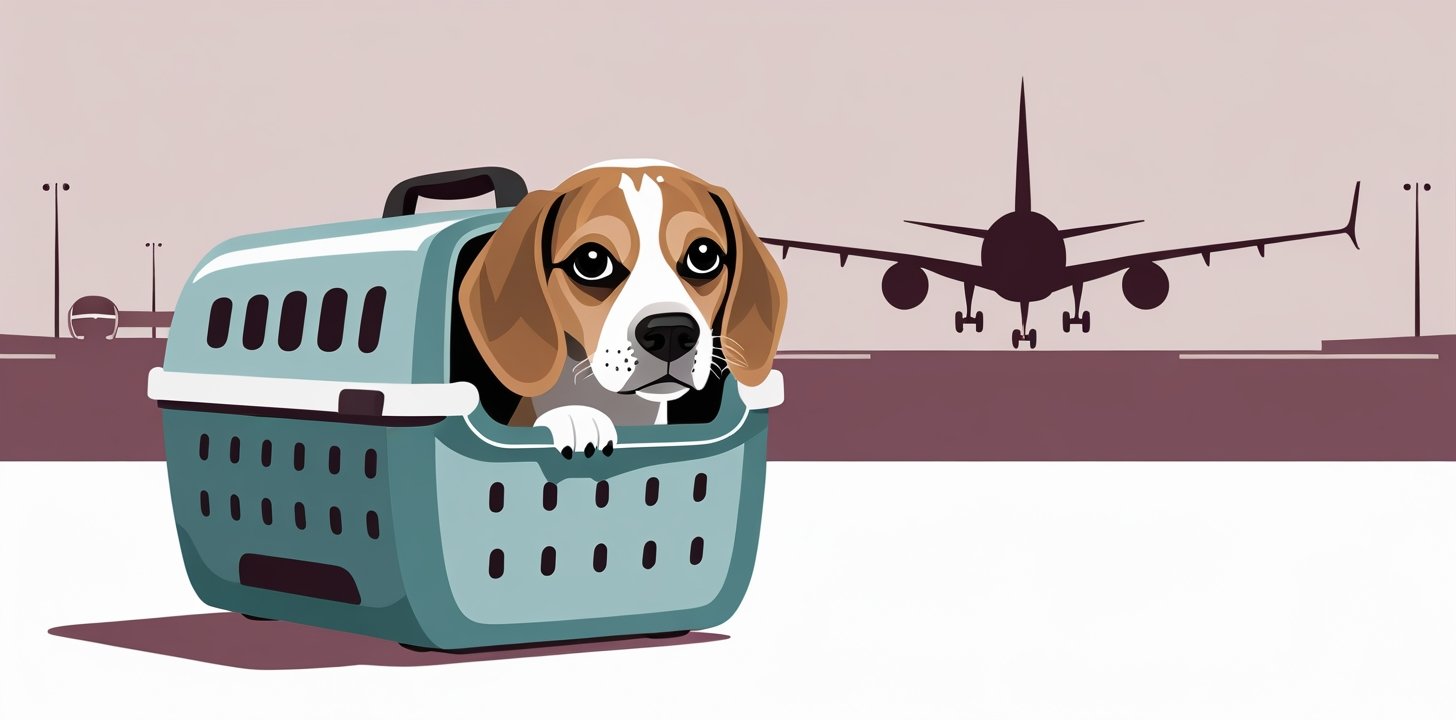
Health certificate dated more than 10 days before departure. You will be turned away at check-in. Schedule the vet appointment as close to departure as possible, and confirm the issue date on the certificate before leaving the clinic.
No pet slot reserved before arriving at the airport. Airlines limit cabin pets to 1-2 per flight. Slots fill days in advance. Call the pet desk within 48 hours of ticket purchase. Showing up without a confirmed reservation means your dog does not board.
Cargo embargo due to temperature. Most U.S. airlines will not transport cargo pets when ground temperatures exceed 85 degrees F or fall below 45 degrees F. Summer and winter travel requires checking forecasts at both origin and destination airports. Book direct flights to reduce tarmac exposure time.
Undersized or non-compliant carrier. If your carrier does not fit under the seat in front of you, your dog travels as cargo or not at all. Measure the under-seat space for your specific aircraft type, not just the airline’s general policy. Aircraft vary.
Sedation without veterinary prescription. Over-the-counter calming products given at incorrect doses can cause respiratory distress at altitude. Use only vet-prescribed medications with explicit dosing instructions for air travel. For natural alternatives, consider using pheromones for anxious dogs.
ESA documentation presented as a service animal credential. DOT eliminated ESA air travel accommodations in 2021. Presenting ESA paperwork will not grant cabin access. Only trained service animals qualify under current DOT rules. See transportation.gov/airconsumer for current rules.
Delays with pets in cargo. The DOT reports hundreds of pet injuries and deaths in air cargo annually. During delays, cargo pets may wait unattended in holding areas with no climate control. Pack frozen water in the crate, book direct flights, and have a backup plan including a nearby 24-hour emergency vet at your destination.
Warning: If your health certificate is dated more than 10 days before your domestic departure date, you will be denied boarding. There is no exception. Schedule the vet appointment as late as possible before travel and confirm the issue date on the certificate before leaving the clinic.
Safety During Travel
Cabin travel is the safest option for most dogs. You maintain visual contact, the cabin is climate-controlled, and you can respond immediately to distress. Cargo carries documented risks including temperature extremes, stress, and limited human oversight during delays.
The DOT publishes annual air travel consumer reports tracking pet injuries, deaths, and losses by airline. Review the most recent report at transportation.gov/airconsumer before choosing a carrier for cargo transport.
Do not feed your dog mid-flight. Keep a water bottle accessible through the carrier mesh. Allow a bathroom break immediately before security and again after baggage claim. Monitor for stress signals: sustained panting, pacing, or whining. A calm, quiet voice and a familiar-scented item in the carrier reduce anxiety more reliably than supplements.
Post-flight recovery: quiet environment, water available, bland diet for 24 hours, and short leash walks only. Most dogs recover fully within a day. For comprehensive tips on keeping dogs calm on flights, preparation is key.
Key Takeaway: Most U.S. airlines embargo cargo pets when ground temperatures exceed 85 degrees F or drop below 45 degrees F. Book direct flights, check forecasts at both airports, and have a contingency plan for weather delays during summer and winter travel.
Frequently Asked Questions
Can I fly with my dog in the cabin on any airline?
No. Only dogs meeting specific weight and size limits qualify for cabin travel. Most airlines cap total weight (dog plus carrier) at 15-20 lbs, and the carrier must fit under the seat in front of you. Some breeds cannot travel in any category on certain airlines. Verify your dog’s eligibility with the specific airline before purchasing tickets.
How much does it cost to fly with a dog in 2026?
Airline cabin fees run $125-200 one-way on major U.S. carriers. Delta charges $150 domestic and $200 international. United charges $125-150. American charges $150. Total trip costs including carrier ($50-200), health certificate ($50-150), and vet exam ($100+) typically reach $200-500+ for a domestic cabin trip. Cargo or large dog transport runs $800+.
What documents do I need to fly with my dog domestically?
Most domestic flights require a health certificate issued within 10 days of departure by a USDA-accredited veterinarian. Some states have additional entry requirements. Verify state rules at aphis.usda.gov/pet-travel. International travel requires the APHIS 7001 health certificate, current rabies vaccination, and often an import permit or additional testing depending on destination.
Do brachycephalic dogs face travel restrictions?
Yes. Flat-faced breeds including Bulldogs, Pugs, Boxers, Boston Terriers, and Shih Tzus are banned from cargo on Delta, United, and American Airlines due to breathing risks. Cabin eligibility for small brachycephalic dogs varies by airline and changes without notice. Always call the airline pet desk to confirm before booking. [VERIFY: 2026]
Is it safe to fly my dog as checked baggage or cargo?
Cargo travel carries higher documented risks than cabin travel, including temperature extremes, stress, and limited oversight during delays. The DOT reports hundreds of pet injuries and deaths in air cargo annually. Cabin travel is the safest option for dogs that qualify by size. If cargo is necessary, review airline safety records in DOT consumer reports and book direct flights during mild weather months.
What happens if my dog’s flight is delayed or canceled?
Cabin pets travel with you and remain under your care during delays. Cargo pets may be held in unattended areas with no climate control. During temperature embargoes, cargo pets can be grounded with no guaranteed rebooking timeline. Always book direct flights, pack extra food and frozen water in the crate, and identify a 24-hour emergency vet near your destination before departure.
Policy disclaimer: Airline pet policies, government import requirements, and fee schedules change frequently. All fees, deadlines, and regulations in this article reflect published sources as of 2026 but must be verified directly with your airline, veterinarian, and the relevant government agencies before travel. Use the official sources below for current requirements.
Official sources:
- USDA APHIS Pet Travel: aphis.usda.gov/pet-travel
- CDC Dog Import Requirements: cdc.gov/importation/bringing-an-animal-into-the-united-states.html
- DOT Air Consumer Rights: transportation.gov/airconsumer
- American Airlines Pet Policy: aa.com
- IATA Live Animal Regulations: iata.org/en/programs/cargo/live-animals