

Your husky is built for endurance, not the average dog’s life. Their sled dog genetics demand a diet that fuels marathon energy levels and maintains that iconic double coat against harsh conditions. What works for most medium breeds falls short for a husky’s unique physiology.
This guide cuts through the marketing claims to explain exactly what your husky needs based on their predisposition to zinc deficiency, sensitive stomachs, and joint issues.
We focus on the nutrients that matter, not the buzzwords on the bag.
HUSKY NUTRITION AT A GLANCE
PROTEIN TARGET: 22-32% crude protein (sled dog heritage demands higher than AAFCO’s 18% adult minimum)
DAILY CALORIES: 1,100-1,800 kcal for moderate activity; up to 2,500+ kcal for working dogs (30-40% more than sedentary breeds)
CRITICAL SUPPLEMENT: Zinc at 2-3 mg/kg body weight daily (northern breeds have 10-15% higher zinc requirement; deficiency causes dermatosis in 41 documented cases, predominantly huskies)
Understanding Husky Nutritional Needs
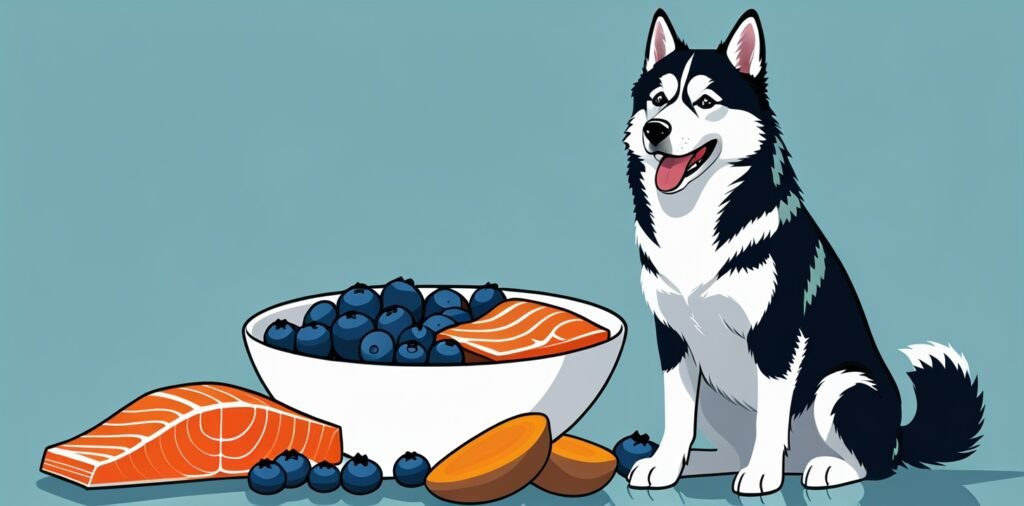
Your husky’s metabolism is different. Bred for pulling sleds over long distances in subzero temperatures, they process nutrients with exceptional efficiency. Active huskies burn 30-40% more calories than similarly sized sedentary breeds, a direct result of their working heritage.

This high energy expenditure requires a diet dense in quality calories from protein and fat. Their thick double coat and skin health depend heavily on specific fatty acids and minerals, particularly zinc.
Northern breeds like huskies have a 10-15% higher zinc requirement than other breeds, making generic dog food formulas inadequate for preventing zinc-responsive dermatosis.
The right food for your husky isn’t about the most expensive brand. It’s about matching their unique engine with the right fuel. Ignore their heritage in the formula, and you’ll see it in their energy, coat, and digestion.
Key Nutrients for Huskies: What to Look For
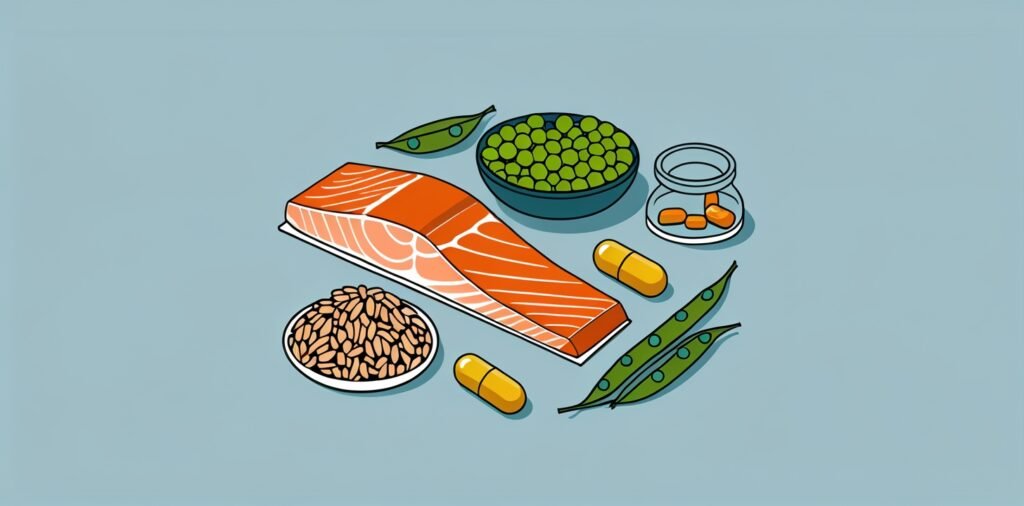
Scanning ingredient lists is overwhelming. Focus on these non-negotiable targets for your husky’s health.
Protein (22-32%) maintains lean muscle mass from their working heritage and fuels their exceptional activity levels. This exceeds AAFCO’s adult maintenance minimum of 18% protein because generic guidelines underestimate active breed requirements.
Fat (12-18% minimum, higher for working dogs) provides concentrated energy for endurance and supports the skin oils that keep their dense double coat healthy. Working huskies may need 15-20% fat to sustain energy output.
More Read

Zinc supplementation (2-3 mg/kg elemental zinc daily) is critical. Huskies are the predominant breed affected by zinc-responsive dermatosis. Look for zinc methionine or zinc gluconate in the ingredient list, as these chelated forms absorb better than zinc sulfate. Avoid foods high in phytates (plant-based diets) or excess calcium, which block zinc absorption.
Omega-3 fatty acids (EPA/DHA at 0.1-0.3% of diet) from fish oil or salmon combat inflammation for joints and skin. The omega-6 to omega-3 ratio should favor omega-3s for anti-inflammatory benefits.
Glucosamine and chondroitin support joint cartilage early, proactive care given that hip dysplasia affects this breed. While no specific percentage is standardized, daily supplementation through food or standalone products is recommended.
| Nutrient | Target Range | Why It Matters for Huskies |
|---|---|---|
| Protein | 22-32% | Huskies require 22-32% protein content due to their sled dog heritage and exceptional energy expenditure. Exceeds AAFCO’s 18% adult minimum to fuel high activity and maintain lean muscle at 35-60 lb frame. |
| Fat | 12-18% (15-20% for working dogs) | Provides dense energy for endurance work; supports healthy skin under their dense double coat. Working dogs need upper range to sustain caloric output. |
| Fiber | 4-5% | Aids digestive regularity without diluting calorie density needed for active dogs. Excessive fiber reduces energy availability. |
| Zinc | 2-3 mg/kg body weight daily | Northern breeds have 10-15% higher zinc requirement. Prevents zinc-responsive dermatosis (41 documented cases, predominantly huskies). Use zinc methionine or gluconate; avoid high-phytate diets. |
| Omega-3s (EPA/DHA) | 0.1-0.3% of diet | Anti-inflammatory support for joints (hip dysplasia risk) and skin health. Source from fish oil or salmon. |
| Glucosamine & Chondroitin | Daily supplementation | Repairs cartilage and supports joint health. Critical as huskies age due to hip dysplasia predisposition. |
Health Conditions and Ingredient Connections
Huskies face specific health predispositions that demand targeted nutrition. Here’s how ingredients address breed-specific risks.
Zinc-Responsive Dermatosis
This skin condition affects huskies more than any other breed. Symptoms include crusty lesions around the eyes, muzzle, and pressure points. Treatment requires lifelong zinc supplementation at 2-3 mg/kg elemental zinc daily. Look for foods containing zinc methionine or zinc gluconate (chelated forms with superior absorption). Avoid foods with excess calcium or high phytate content from plant proteins, as both inhibit zinc absorption. In 41 documented cases of zinc-responsive dermatosis syndrome 1, Siberian Huskies were the predominant breed affected.
Hip Dysplasia
Joint support starts with diet. Glucosamine and chondroitin repair cartilage, while EPA and DHA omega-3 fatty acids from fish oil or green-lipped mussel provide anti-inflammatory benefits. While no specific dietary percentage is standardized, daily supplementation through food or standalone products is recommended. Maternal DHA and EPA intake may reduce developmental risk in puppies.
Eye Conditions (Cataracts, Progressive Retinal Atrophy)
Antioxidants slow degenerative eye diseases. Lutein and zeaxanthin filter blue light and protect retinal cells. Sources include spinach, kale, and egg yolks. Omega-3 fatty acids, vitamin C, vitamin E, and zinc provide additional antioxidant support. While no specific dosage is established, high dietary intake from whole food sources is beneficial.
Hypothyroidism
This metabolic disorder slows energy production and causes weight gain. Feed lean animal proteins like chicken, fish, and salmon oil to maintain muscle mass and energy. Include iodine-rich foods in rotation (but avoid excess). Keep fat moderate to prevent weight gain. Avoid excessive soy and cruciferous vegetables, which can interfere with thyroid function.
Inflammatory Bowel Disease (IBD)
Huskies with IBD need novel or hydrolyzed proteins like fish, duck, or hydrolyzed soy globulin. Limited ingredient diets minimize triggers. In a study of refractory IBD cases, 5 out of 6 dogs improved on hydrolyzed soy protein diets. Avoid common allergens: chicken, beef, grains, dairy, and soy (unless hydrolyzed).
Reading Labels: What Makes Food Good for Huskies
The front of the bag sells; the back panel informs. Your first stop is the guaranteed analysis and ingredient list.
Aim for foods meeting AAFCO nutrient profiles for “All Life Stages” or “Adult Maintenance” (for adults) from a reputable manufacturer. The primary protein source should be a named whole meat or meat meal (e.g., “salmon,” “chicken meal,” “deboned turkey”) within the first three ingredients. Whole meats provide high bioavailability for muscle maintenance and energy.
Avoid vague terms like “meat by-products” or “animal digest.” For huskies with common sensitivities, scrutinize the list for chicken, beef, grains, dairy, or soy.
Remember that “grain-free” does not mean allergy-free or superior nutrition. Proteins cause over 50% of food allergies, not grains. Grain-free formulas often substitute potatoes or legumes, which offer no proven advantage and carry potential DCM (dilated cardiomyopathy) risk.
How Much to Feed Your Husky by Life Stage
A 50 lb couch-potato husky and a 50 lb sled-pulling husky have wildly different needs. These ranges are starting points; adjust based on your dog’s individual metabolism and activity. Always split daily food into at least two meals to prevent bloat.
| Life Stage & Weight | Daily Calories (kcal) | Cups/Day* | Meals/Day | Notes for Huskies |
|---|---|---|---|---|
| Puppy (2-6 months), 15-35 lbs | 800-1,400 | 1¾-3 | 3-4 | Use 22.5-30% protein, 8-20% fat formula. Maintain Ca:P ratio 1.2-1.8:1 for bone growth. Avoid rapid growth to protect joints. |
| Puppy (6-12 months), 35-50 lbs | 1,400-1,800 | 3-4 | 2-3 | Transition to adult food around 10-12 months. Monitor body condition score (ribs should be palpable but not visible). |
| Adult, Moderate Activity, 35-60 lbs | 1,100-1,500 | 2½-3½ | 2 | Baseline for 90 minutes daily exercise. Adjust by 20% based on body condition. Maintain BCS 4-5/9. |
| Adult, Highly Active/Working, 35-60 lbs | 1,500-2,500+ | 3½-5+ | 2-3 | Active huskies burn 30-40% more calories. A 50 lb working dog may need 40-60 kcal/lb body weight (2,000-3,000 kcal). Use calorie-dense formulas. |
| Senior (7+ years), 35-60 lbs | 700-1,067 | 1½-2½ | 2 | Reduce calories by 20% as metabolism slows. Add glucosamine, chondroitin, and cognitive antioxidants. Monitor weight closely. |
*Cup measurements vary by food density (300-500 kcal/cup). Always use kcal as your primary guide and consult the feeding chart on your specific food bag.
Common Food Sensitivities and Allergies in Huskies
Your husky’s digestive system can be as sensitive as their independent personality is strong. Inflammatory bowel disease (IBD) and food allergies are common in this breed.
Symptoms include chronic itching (especially paws, face, and ears), recurrent ear infections, loose stools, vomiting, and poor coat quality. The most common triggers are chicken and beef, followed by grains, dairy, and soy. Proteins cause over 50% of food allergies, not carbohydrates.
If you suspect an allergy, consult your veterinarian about an elimination diet using a novel protein (e.g., fish, duck, lamb, kangaroo) and a single carbohydrate source (e.g., sweet potato, pumpkin) for 8-12 weeks. During this period, feed absolutely nothing else: no treats, table scraps, or flavored medications. Reintroduce ingredients one at a time to identify triggers.
For confirmed sensitivities, limited ingredient diets (LID) with novel proteins like salmon or duck work best. Look for foods with sweet potato or pumpkin as carbohydrate sources if avoiding grains, dairy, or soy.
Foods to Avoid: What’s Harmful for Huskies
Beyond common allergens, some ingredients pose specific risks to huskies.
Avoid foods with artificial colors, flavors, or preservatives like BHA/BHT. They offer no nutritional value and may exacerbate sensitivities.
For huskies prone to zinc-responsive dermatosis, high levels of calcium inhibit zinc absorption. Ensure your chosen food has appropriate calcium:phosphorus ratios and contains bioavailable zinc forms like zinc proteinate or zinc methionine. Avoid foods with excessive calcium or high phytate content from plant-based proteins.
Excessive fillers like corn and wheat gluten dilute nutrient density. While not inherently harmful, they reduce the calorie concentration active huskies need. Ingredient splitting (listing corn as “corn,” “corn gluten meal,” and “ground corn” separately to push them lower on the list) is a red flag for low-quality formulas.
Best Food for Husky Puppies: Growth and Development
A husky puppy’s rapid growth must be managed carefully. Excess calories and improper calcium can lead to developmental orthopedic diseases like hip dysplasia.
Choose a formula specifically labeled for “large breed puppies” or “all life stages.” These foods have controlled calcium:phosphorus ratios (1.2-1.8:1) and moderate fat to promote steady, not rapid, growth. Target 22.5-30% protein and 8-20% fat.
Look for DHA from fish oil for brain and vision development. Maternal DHA and EPA intake may reduce hip dysplasia risk in developing puppies.
Feed puppy-specific food until 10-12 months old before transitioning to adult formulas. Split daily calories into 3-4 meals for puppies under 6 months, then 2-3 meals until adulthood. Monitor body condition score weekly; ribs should be palpable but not visible.
Best Food for Senior Huskies: Supporting Aging Joints and Metabolism

Around age 7-8 years, your husky’s metabolism slows. Senior formulas typically have 20% fewer calories (700-1,067 kcal/day) but maintain high-quality protein to preserve muscle mass.
Joint support becomes paramount. Prioritize foods with natural sources of glucosamine and chondroitin (e.g., chicken cartilage, green-lipped mussel), or those supplemented with them. Increased omega-3 fatty acids (EPA/DHA) help manage arthritis inflammation.
Easily digestible proteins like fish or egg and prebiotic fibers support gut health as digestion becomes less efficient. Antioxidants like lutein and zeaxanthin slow age-related eye degeneration (cataracts and progressive retinal atrophy affect this breed).
Monitor weight closely. Senior huskies are prone to weight gain as activity decreases, but muscle loss is equally concerning. Adjust portions to maintain body condition score 4-5/9.
Top Food Recommendations for Huskies in 2026
These recommendations prioritize breed-specific needs: high protein and fat, zinc sufficiency, and options for sensitive systems. Price reflects ingredient quality and manufacturing standards, not marketing.
| Product | Why It Suits Huskies | Key Specs | Price Tier |
|---|---|---|---|
| Orijen Six Fish | Best for active adults. 43% protein from fish (salmon, herring, mackerel) provides exceptional omega-3s for skin, coat, and zinc absorption support. AAFCO feeding trial verified. Ideal for huskies without fish sensitivities. | 43% protein, 20% fat, fish-based, omega-3 rich | $$$ |
| Nature’s Recipe Grain-Free Salmon | Best for sensitive stomachs. Salmon as sole animal protein (25%+ protein) with sweet potato carbohydrate. Avoids common allergens (chicken, beef, grains, dairy, soy). AAFCO formulated. Addresses IBD risk. | 25% protein, salmon, sweet potato, limited ingredients | $$ |
| Purina Pro Plan Joint Health | Best for seniors. 27% protein with glucosamine, chondroitin, and EPA for hip dysplasia support. Lower calorie (360 kcal/cup) for aging metabolism. Enhanced with lutein for eye health. AAFCO feeding trial verified. | 27% protein, chicken meal, glucosamine, 360 kcal/cup | $$ |
| Diamond Naturals Active Dog | Best budget option. 26% protein, 16% fat with probiotics for digestion. AAFCO formulated. Proves you don’t need premium pricing for quality macronutrients. Contains grains (rice, barley) for huskies without grain sensitivities. | 26% protein, chicken meal, probiotics, grain-inclusive | $ |
| Taste of the Wild High Prairie | Best for high-energy working dogs. 32% protein from bison and venison provides novel proteins with calorie density. Grain-free with sweet potato. AAFCO formulated. Ideal for active huskies burning 2,000+ kcal daily. | 32% protein, bison, venison, 370 kcal/cup | $$ |
Price tiers: $ = under $2/lb, $$ = $2-3/lb, $$$ = over $3/lb. Prices vary by retailer and bag size.
Grain-Free Formulas
Pros: Avoid grains if your husky has diagnosed grain allergies. Often use sweet potato or pumpkin, which provide digestible energy.
Cons: No proven nutritional advantage for huskies without grain sensitivities. Legume-heavy formulas (peas, lentils) linked to potential DCM risk. Often more expensive without added benefit.
Grain-Inclusive Formulas
Pros: Quality grains (oats, barley, rice) provide excellent energy without DCM risk. Often better value. Proteins cause over 50% of food allergies, not grains.
Cons: Unsuitable if your husky has diagnosed grain allergies (rare). Some low-quality formulas use corn/wheat as cheap fillers.
Debunking Common Husky Nutrition Myths

Misinformation spreads fast in breed communities. Here’s what the evidence actually shows.
Myth: Huskies need raw-only diets for energy.
Reality: Balanced kibble with high protein and fat (25-32% protein, 15-20% fat) matches raw diets for energy if formulated correctly. Raw feeding carries bacterial contamination risk (Salmonella, E. coli) and requires careful balancing to meet AAFCO nutrient profiles. If you choose raw, consult a board-certified veterinary nutritionist for a complete recipe.
Myth: Grain-free prevents allergies.
Reality: Proteins (chicken, beef) cause over 50% of food allergies, not grains. Quality grains like oats and barley are well-tolerated by most huskies. Grain-free formulas often substitute legumes, which offer no proven advantage and carry potential DCM risk.
Myth: Free-feed high-energy dogs.
Reality: Portion control prevents bloat and obesity. Huskies are efficient metabolizers and gain weight easily when overfed. Measure meals, feed twice daily, and adjust based on body condition score (ribs palpable but not visible = ideal).
Myth: All huskies are zinc deficient.
Reality: Zinc-responsive dermatosis affects some huskies, not all. Test before supplementing beyond dietary zinc. However, northern breeds do have 10-15% higher zinc requirements than other breeds, making zinc-fortified foods beneficial.
Veterinary Perspective: What Nutritionists Recommend
Board-certified veterinary nutritionists (DACVN) emphasize high protein and fat for medium-sized active breeds like huskies. They recommend brands meeting WSAVA guidelines (Purina Pro Plan, Royal Canin, Hill’s Science Diet, Orijen) that employ full-time veterinary nutritionists and conduct feeding trials.
For zinc-responsive dermatosis, veterinarians prescribe zinc supplementation at 2-3 mg/kg body weight daily using zinc methionine or zinc sulfate. Dietary zinc alone may not resolve clinical cases.
Consult your veterinarian if your husky shows persistent skin or coat issues, unexplained weight gain, chronic diarrhea, or signs of food sensitivity. These symptoms may indicate underlying health conditions requiring therapeutic diets.
Common feeding mistakes include overfeeding treats (should be under 10% of daily calories), ignoring activity level adjustments (working dogs need 50%+ more calories than sedentary dogs), and switching foods too rapidly (transition over 7-10 days to prevent digestive upset).
For huskies with IBD or hypothyroidism, therapeutic diets with hydrolyzed or novel proteins may be necessary. In a study of refractory IBD cases, 83% of dogs improved on hydrolyzed protein diets.
Frequently Asked Questions About Husky Nutrition
How much should I feed my husky daily?
Adult huskies typically need 1,100-1,800 calories daily depending on activity level, divided into two meals. A moderately active 50 lb husky needs approximately 1,300 kcal/day. Highly active or working huskies may need 2,000-2,500+ kcal/day (40-60 kcal/lb body weight). Use the feeding guide on your dog food bag as a starting point, then adjust based on body condition score. Ribs should be palpable but not visible.
Is grain-free food better for huskies?
Not necessarily. Quality matters more than grain-free status. Many huskies do well on high-quality grain-inclusive foods with oats, barley, or rice. Grain-free diets have been linked to dilated cardiomyopathy (DCM) in some dogs. Unless your husky has a diagnosed grain allergy, there’s no proven benefit. Proteins cause over 50% of food allergies, not grains.
What’s the best food for a husky with a sensitive stomach?
Limited ingredient diets (LID) with novel proteins like fish or duck often work best for sensitive huskies. Look for foods with a single animal protein source and easily digestible carbohydrates like sweet potato or pumpkin. Add probiotics for gut health. For confirmed IBD, hydrolyzed protein diets show 83% improvement in refractory cases. Consult your veterinarian for persistent digestive issues.
Can huskies eat raw food diets?
Yes, but ensure complete nutrition and proper food safety. Improperly formulated raw diets risk nutritional deficiencies (calcium, vitamins) and bacterial contamination (Salmonella, E. coli). Consult your veterinarian or a board-certified veterinary nutritionist for balanced raw feeding guidelines that meet AAFCO nutrient profiles. Balanced kibble with high protein and fat provides equivalent nutrition with less risk.
How do I know if my husky has food allergies?
Watch for chronic itching (especially paws, face, and ears), recurrent ear infections, digestive issues like diarrhea or vomiting, or skin problems that improve with diet changes. Diagnosis requires an elimination diet supervised by your veterinarian: feed a single novel protein and carbohydrate for 8-12 weeks with absolutely no other food, then reintroduce ingredients one at a time. Common triggers in huskies are chicken, beef, grains, dairy, and soy.
Veterinary Disclaimer: This article is for informational purposes only and does not replace professional veterinary advice. Consult your veterinarian before making significant changes to your dog’s diet, especially if addressing health concerns like suspected allergies, obesity, or chronic conditions.