
Welcome to the most tail-wagging rivalry in dogdom. In one corner, the Golden Retriever, Scotland’s sun-kissed sweetheart with an oily waterproof coat, therapist-level empathy, and a 60% lifetime cancer risk that nobody warned you about.
In the other, the Labrador Retriever, Newfoundland’s bouncy food-fueled chaos machine, America’s most popular dog for over 30 years running, and a creature that has never once met a stranger.
Who fetches the crown? Let’s find out.
| Category | Golden Retriever | Labrador Retriever |
|---|---|---|
| Size (Male) | 23-24″ / 65-75 lbs | 22.5-24.5″ / 65-80 lbs |
| Size (Female) | 21.5-22.5″ / 55-65 lbs | 21.5-23.5″ / 55-70 lbs |
| Lifespan | 10-12 years | 10-14 years |
| Energy | High (60+ min/day) | High (60-120 min/day) |
| Grooming Cost | $200-500/year | $100-300/year |
| First-Year Cost | $2,000-4,000 | $2,000-4,000 |
Round 1: Energy Levels — Who Burns Brighter?
Both breeds need 60-plus minutes of daily exercise — walks, fetch, swimming, or interpretive zoomies — or they will redecorate your house in ways you did not approve. Leave either alone more than 4-6 hours and separation anxiety kicks in fast.

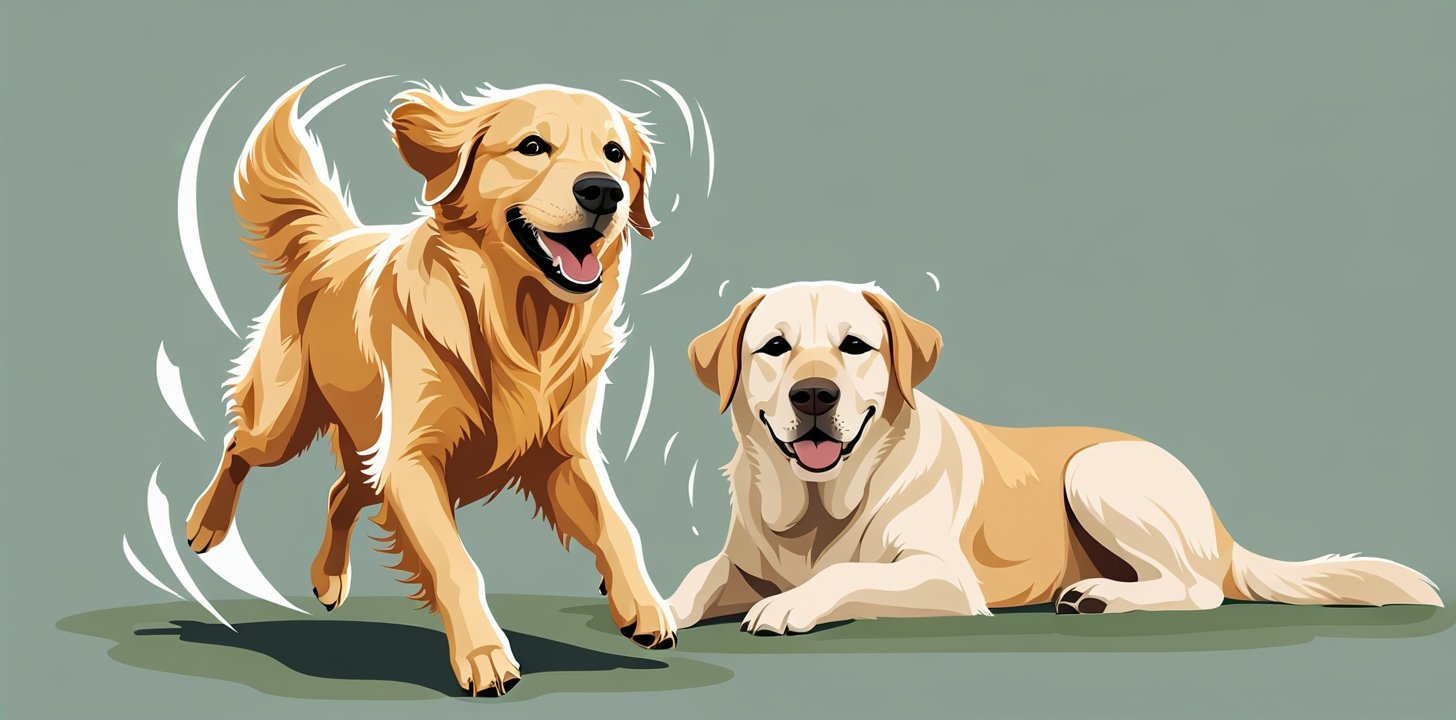
The difference? Labs can push toward 120 minutes of activity and still look at you like “that’s it?” Goldens are more likely to crash contentedly after a solid session. Bonus quirk: Goldens mirror your energy. Start a dance party and they join. Labs just greet everyone at the door like a golden retriever.
Winner: Tie. Both need active homes. Neither is a couch ornament.
Key Takeaway: Labs bring the hurricane. Goldens bring the golden hour. Either way, lace up your sneakers before you bring one home.
Round 2: Grooming and Shedding — Fur-nado Forecast
Goldens shed heavily year-round with dramatic clump explosions every spring and fall. Expect brushing 3-4 times per week, baths every 6-8 weeks, and professional grooming at $50-100 per session, four to six times a year. Annual grooming bill: $200-500.

Labs shed constantly but their shorter hairs are less visible on furniture and clothing. Brushing 2-3 times per week keeps it manageable, and pro grooming runs $40-80, two to four times a year. Annual grooming bill: $100-300.
Neither breed is hypoallergenic. Both will find their way into your coffee.
Winner: Labrador Retriever. Less noticeable fur-pocalypse, lower grooming costs.
And the shedding trophy goes to… Labs, by a hair. Literally.
Round 3: Trainability and Temperament — Brainy or Belly-Driven?
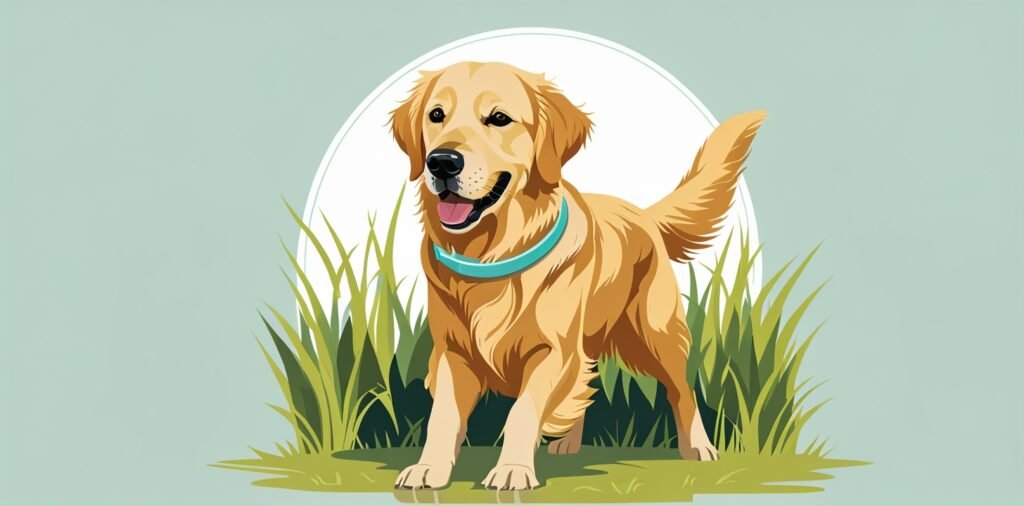
Goldens are eager-to-please empaths who respond beautifully to positive reinforcement. Harsh corrections backfire — these dogs feel things deeply and will absolutely give you the guilt eyes. They are intuitive, emotionally attuned, and the reason therapy dog programs exist.
Labs are treat-powered learning machines. They pick up commands fast, bounce back from mistakes without drama, and approach life with relentless optimism. The downside: that same food obsession means they will eat your sandwich, your kid’s sandwich, and the wrapper.
Both breeds are excellent candidates for service and therapy work, consistently topping AKC rankings for working and family roles.
Winner: Tie. Goldens win emotional intelligence. Labs win resilience. Both are genuinely easy to train.
Tip: Positive reinforcement wins with both breeds. Treats motivate Labs; praise and play motivate Goldens. Start training early and you will sidestep most anxiety issues before they start.
Round 4: Family Fit — Kids, Pets, and Beautiful Chaos
Goldens are gentle, patient, and excellent with children, per AKC breed standards. They tend to be calm and careful around toddlers with appropriate supervision. They also get along well with other pets and rarely pick fights.
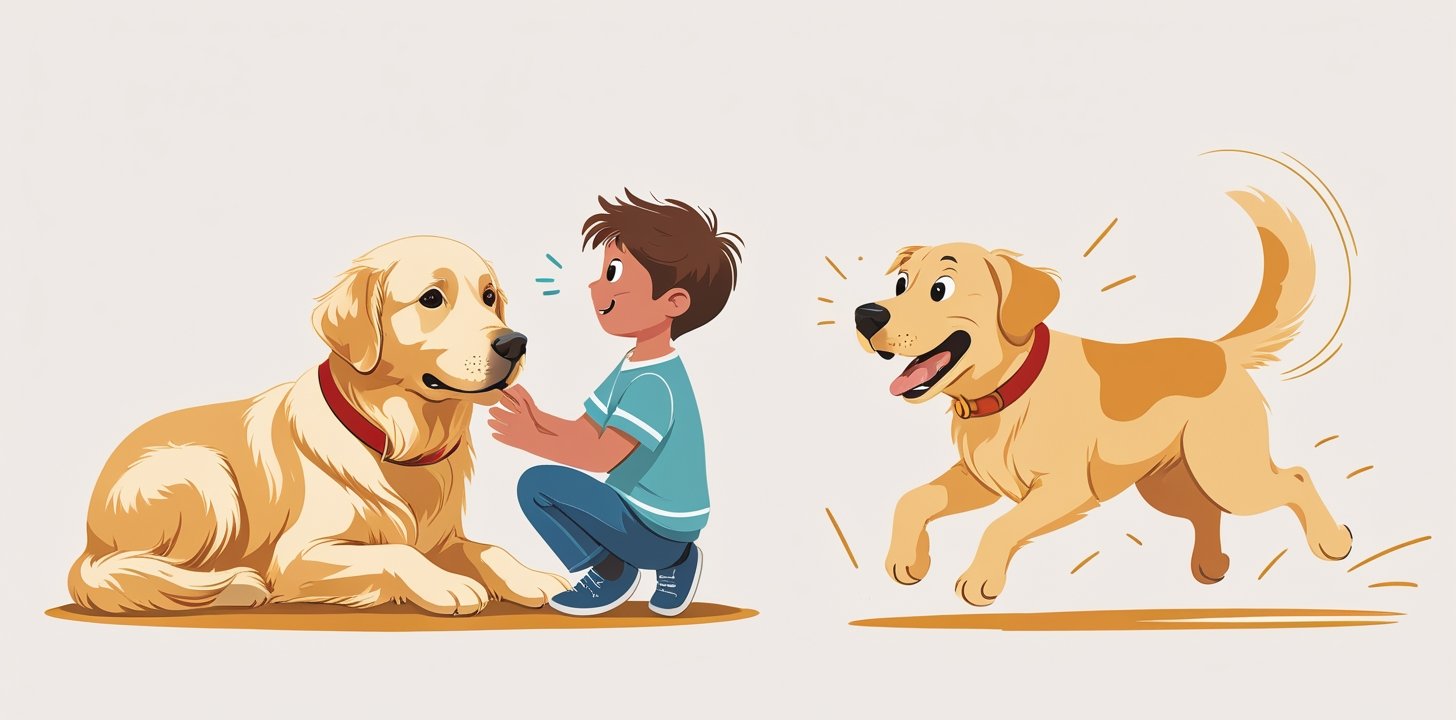
Labs score 99% owner approval in family surveys for kid-friendliness, and 93% are rated good with other dogs. They are enthusiastic rather than gentle, which means small children may get accidentally bowled over by sheer joy.
Both breeds are low barkers. Neither will alert you to intruders. They will, however, enthusiastically show the intruder where the treats are kept.
Winner: Tie. Both are outstanding family dogs. Goldens bring the gentle; Labs bring the party.
Round 5: Health and Lifespan — Long Haul Heroes
Goldens face hip and elbow dysplasia, progressive retinal atrophy, cataracts, hypothyroidism, and ear infections. The headline stat: a 60% lifetime cancer risk, including lymphoma and hemangiosarcoma, which is significantly higher than most breeds despite their wholesome reputation. The Golden Retriever Club of America and OFA both recommend health testing for hips, elbows, eyes, and heart before breeding.

Labs deal with similar joint issues plus a serious obesity risk that compounds into diabetes and joint deterioration. Bloat and exercise-induced collapse are also documented concerns. OFA hip, elbow, and eye testing is standard for responsible Lab breeders.
Annual routine vet costs run $400-700 for both breeds. Labs hold a slight lifespan edge at 10-14 years versus Goldens at 10-12 years, with weight management being a key factor for Labs.
Winner: Labrador Retriever. Slight lifespan advantage, lower cancer risk.
Warning: Golden owners: schedule regular veterinary cancer screenings. Lab owners: measure every meal. Obesity is the number one preventable health threat for Labs and directly shortens their lives.
Round 6: Cost of Ownership — Wallet Workout
Puppy prices: Goldens run $1,000-3,000 due to high demand. Labs come in at $800-2,500. Both breeds are also available through breed-specific rescues, which the Golden Retriever Club of America and the Labrador Retriever Club both actively support.
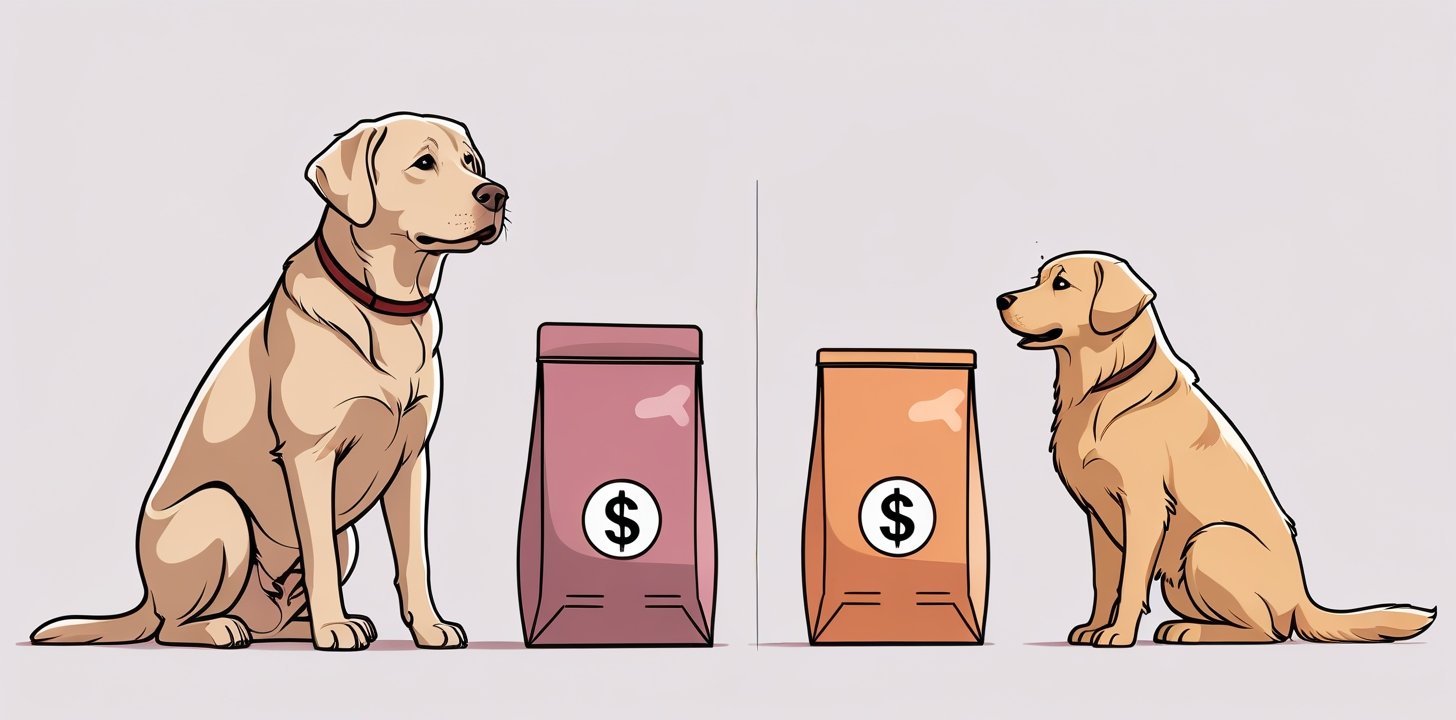
Monthly food costs $50-80 for both, though Labs tend to eat more. Grooming runs higher for Goldens. Vet and insurance costs are roughly equal at $30-60 per month for insurance and $400-700 annually for routine care.
Lifetime cost for either breed: $15,000-25,000. Your heart, however, is not included in that estimate.
Winner: Labrador Retriever. Lower upfront cost. Lifetime costs are essentially identical.
Round 7: Fun Factor — Celeb Status and Quirks
Goldens count Ryan Reynolds, Joe Rogan, and Jimmy Fallon among their famous owners. They were originally bred as Scottish gundogs to retrieve waterfowl in cold, wet conditions, which explains the oily, water-repellent double coat. They are also TikTok royalty, with accounts like Chester the Golden racking up millions of followers for doing absolutely nothing except existing beautifully.

Labs originated as working water dogs for Newfoundland fishermen, bred to retrieve fish and haul nets. They have held the AKC’s number one most popular breed spot for over 30 consecutive years. Famous Lab owners include Bill Clinton, Anne Hathaway, and Drew Barrymore. Their superpower: zero stranger danger. Every person they meet is immediately their best friend.
Winner: Labrador Retriever. Three decades at number one is hard to argue with.
Key Takeaway: Labs rule the popularity charts. Goldens rule the feelings. Both will absolutely steal your spot on the couch.
The Scorecard
| Category | Winner |
|---|---|
| Energy Levels | Tie |
| Grooming and Shedding | Labrador Retriever |
| Trainability and Temperament | Tie |
| Family Fit | Tie |
| Health and Lifespan | Labrador Retriever |
| Cost of Ownership | Labrador Retriever |
| Fun Factor | Labrador Retriever |
| Final Score | Labs 4, Goldens 0, Ties 3 |
The Real Winner
Here is the honest truth: the scorecard favors Labs on paper, but this is not a close call in real life. These breeds are so similar in temperament, trainability, and family fit that the “winner” is almost entirely determined by your lifestyle.
Choose a Golden Retriever if you want an emotionally intuitive companion who mirrors your energy, thrives in therapy and service roles, and brings a calm, empathetic presence to your home. Budget more for grooming and be proactive about cancer screenings.
Choose a Labrador Retriever if you want a resilient, endlessly enthusiastic family dog with slightly lower grooming costs and a longer average lifespan. Budget for measured meals and keep the trash can locked.
Both breeds need a house with a yard or a committed owner who will provide 1-2 hours of daily outdoor activity. Both suffer in isolation. Both are exceptional with children and other pets. Both will make you wonder how you ever lived without a dog.
The real loser here is anyone who has to choose just one. If you’re planning to travel with your pet, both breeds adapt well to new environments with proper preparation. For those considering first time flying with a dog, either breed can handle air travel with the right training and equipment.
Tip: US climate note: Goldens handle cold and wet conditions particularly well thanks to their oily double coat, making them a natural fit for the Pacific Northwest, New England, and the Upper Midwest. Labs are adaptable across US climates but need shade, water, and monitored exercise in hot Southern summers to avoid overheating.
Which is better for a first-time dog owner?
Both are genuinely excellent choices for first-timers. Labs edge ahead slightly because their food motivation makes training more straightforward and they bounce back from rookie mistakes without holding a grudge. Goldens are equally trainable but more emotionally sensitive, so inconsistent handling can cause anxiety. Either way, enroll in a puppy class immediately and you will be fine.
Do Golden Retrievers or Labrador Retrievers shed more?
Both shed heavily, but Goldens shed more visibly. Their longer fur clumps on furniture and clothing in ways that are impossible to ignore, especially during spring and fall blowouts. Labs shed constantly but their shorter, finer hairs are less dramatic. Neither breed is a good match for anyone who considers lint rollers optional.
Which breed is easier to train?
Essentially equal, but for different reasons. Labs are treat-motivated and pick up commands quickly with minimal fuss. Goldens are eager to please and highly responsive to praise and positive reinforcement. Both breeds excel in obedience, service work, and therapy roles per AKC standards. The main difference: Labs shrug off training mistakes; Goldens may need a moment to process their feelings about it.
Are Golden Retrievers more affectionate than Labs?
Goldens tend to be more emotionally attuned and sensitive, often described as empathetic in ways that make them exceptional therapy dogs. Labs are affectionate in a more exuberant, full-body way — expect enthusiastic greetings and zero personal space. Both breeds are deeply loving. It is the difference between a warm hug and a flying tackle.
Which dog is better with children?
Both are outstanding. Labs score 99% owner approval for kid-friendliness in surveys and are rated excellent with other dogs 93% of the time. Goldens are known for gentle patience with children per AKC breed standards. Supervise interactions with toddlers regardless of breed — not because these dogs are dangerous, but because a 70-pound puppy running at full speed is a physics problem.
Do either breed do well in apartments?
Technically possible, not ideal. Both breeds are large, high-energy dogs that do best with a yard and space to move. Apartment living works only with a serious commitment to 1-2 hours of outdoor exercise daily. Skip that commitment and you will come home to a redecorated apartment.
Which breed lives longer?
Labrador Retrievers have a slight edge at 10-14 years versus Golden Retrievers at 10-12 years, according to AKC data. For Labs, weight management is the single biggest factor in reaching the higher end of that range. For Goldens, early cancer detection through regular veterinary screening is critical given their 60% lifetime cancer risk.
Are Golden Retrievers or Labs more expensive?
Goldens cost more upfront at $1,000-3,000 versus Labs at $800-2,500, driven by demand. Both breeds are available through breed-specific rescues at significantly lower cost. Lifetime ownership costs are nearly identical for both breeds at $15,000-25,000, factoring in food, grooming, veterinary care, and insurance. The main ongoing cost difference is grooming, where Goldens run $200-500 annually versus Labs at $100-300. When considering nutrition, check out our best dog food for golden retrievers and best dog food for labradors guides for breed-specific feeding recommendations.