
If your dog is panting heavily while lying on a cool floor, doing nothing at all, you are right to pay attention.
Excessive panting at rest is one of the most common signs that something is off, and it is also one of the most misunderstood. You are not a bad owner for missing it. Panting looks so ordinary that it is easy to dismiss until it becomes impossible to ignore.
This article will walk you through what is actually happening in your dog’s body, how to tell normal from abnormal, and exactly what to do about it using methods that are safe, evidence-based, and kind.
Key Takeaway: Panting is your dog’s way of communicating stress, not a behavior problem to correct. Understanding the difference between normal and abnormal panting is the first step toward helping them feel safe again.
What Is Actually Happening in Your Dog’s Body
Panting serves two distinct purposes. The first is thermoregulation: dogs release heat through their tongue and upper respiratory tract because they have very few sweat glands. The second is emotional discharge: when a dog feels afraid, anxious, or overwhelmed, their body activates the same physiological stress response.
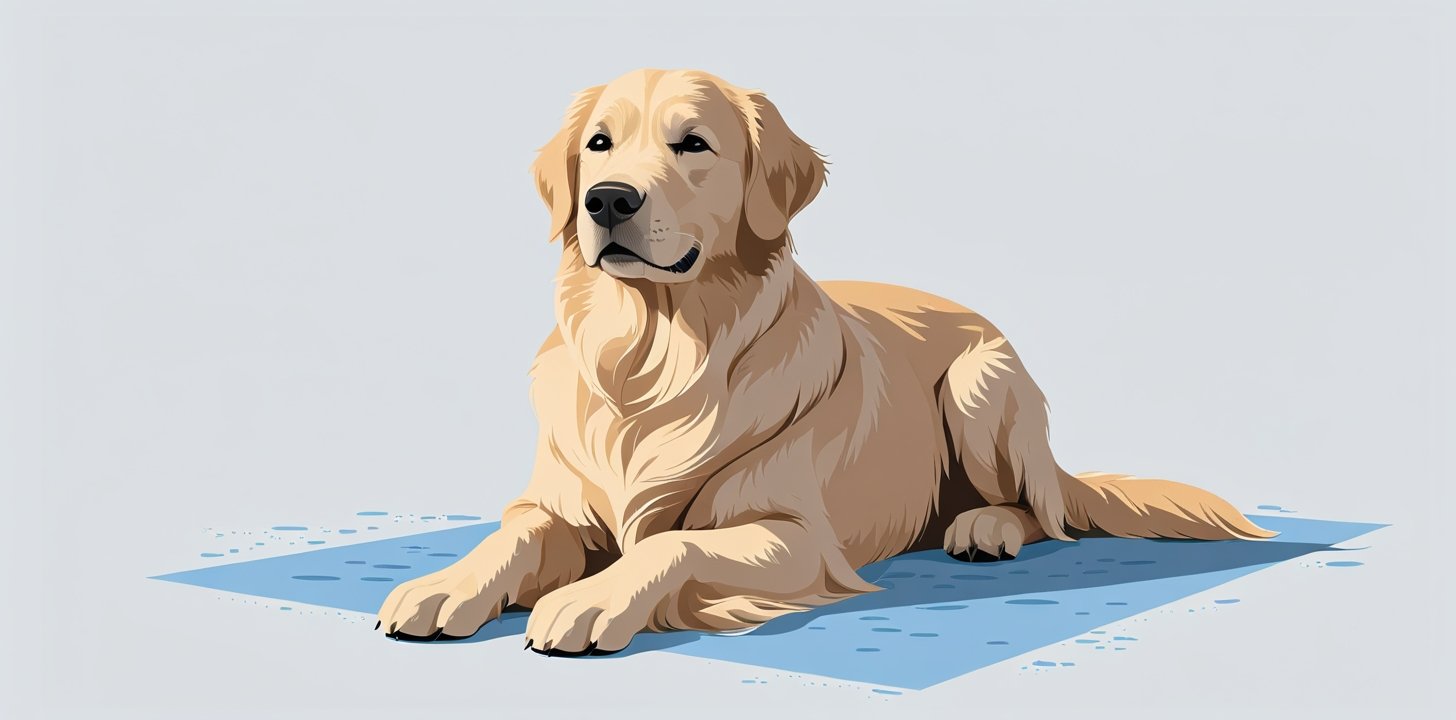
When emotional distress triggers the hypothalamic-pituitary-adrenal (HPA) axis, the brain signals the release of cortisol. This stress hormone independently elevates heart rate, breathing rate, and body temperature, producing panting that has nothing to do with being warm. This process is well-documented in peer-reviewed behavioral research and is distinct from normal cooling panting.
This is also where classical conditioning becomes important. Through repeated pairing of a neutral trigger (a doorbell, a suitcase, a car door) with a fear response, dogs develop learned stress associations. Over time, without intervention, this can lead to sensitization, meaning reactions become stronger rather than fading. This is the opposite of habituation, and it is why ignoring stress panting rarely makes it better.
Your dog is not being dramatic. Their nervous system is doing exactly what it was designed to do under perceived threat. The goal of any intervention is to change what the trigger predicts, not to suppress the response.
Normal Panting vs. Abnormal Panting
Normal panting occurs during or immediately after physical activity, in warm environments, or briefly during excitement. It resolves within a few minutes once the trigger is removed and is not accompanied by other stress signals.
Abnormal panting looks different. Watch for panting that:
- Occurs at rest in a cool environment
- Persists longer than 10 to 15 minutes without an obvious physical trigger
- Appears at night or during predictable situations like being left alone
- Is accompanied by stress body language
The stress body language signals to watch for move from subtle to obvious:
- Subtle: lip licking, yawning, whale eye (whites of the eyes visible), turning away
- Moderate: pacing, inability to settle, drooling, seeking contact or hiding
- Severe: trembling, tucked tail, flattened ears, vocalizing, escape attempts
If panting occurs alongside vomiting, lethargy, limping, changes in breathing sounds, or sudden onset in an older dog, treat this as a medical concern and contact your veterinarian the same day.
Warning: Panting paired with vomiting, lethargy, limping, or sudden behavioral changes in a senior dog requires prompt veterinary attention. These combinations can indicate pain, heart disease, Cushing’s disease, or other medical conditions that must be ruled out before any behavioral intervention begins. This is the standard of care recommended by the American College of Veterinary Behaviorists (ACVB).
The Most Common Emotional Triggers
The situations most likely to produce stress panting in dogs include:
- Separation from owners, including short absences
- Noise events such as thunder, fireworks, or construction
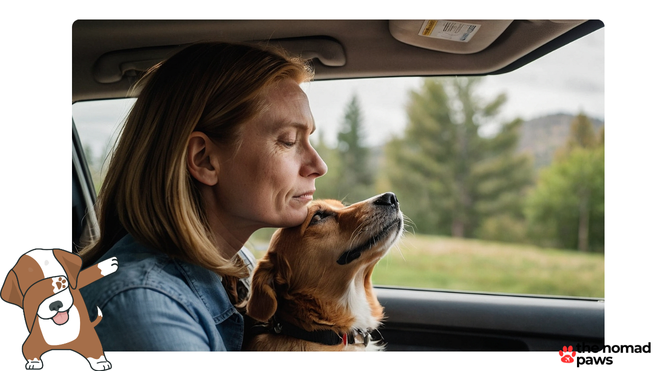
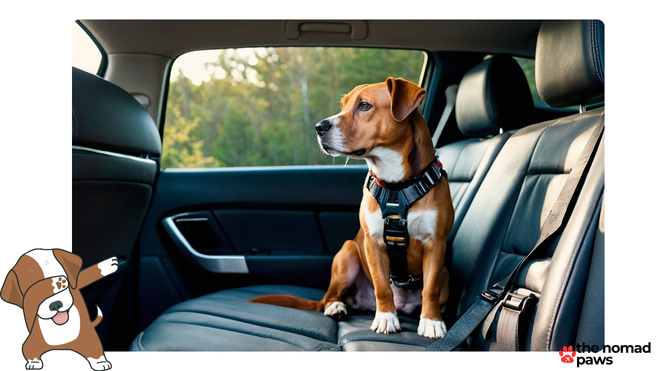
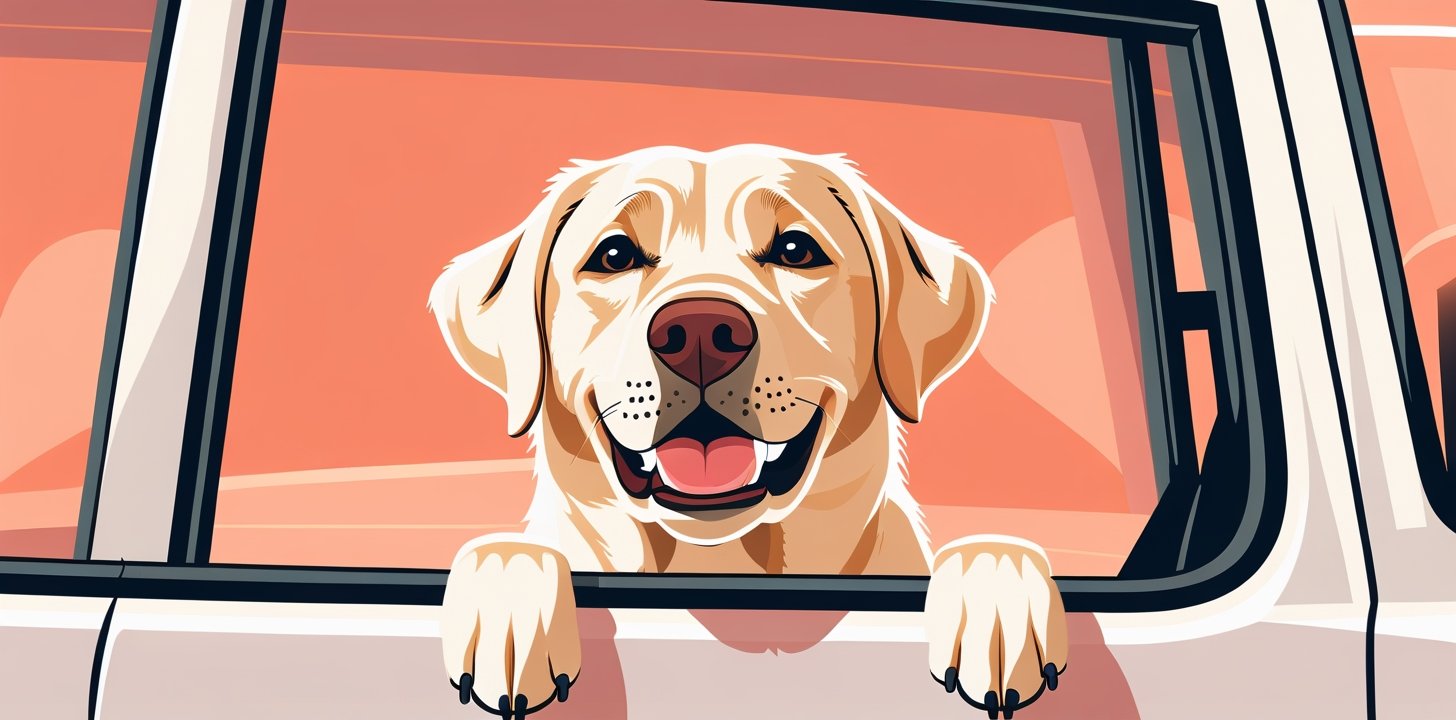
- Car travel, which can combine motion sickness, confinement, and learned fear
- Veterinary visits and handling by strangers
- Routine disruptions such as moving, schedule changes, or new household members
Separation anxiety affects an estimated 20 to 40% of dogs presented to behavioral specialists, according to multiple studies published in the Journal of Veterinary Behavior. A 2019 study published in Frontiers in Veterinary Science found that noise sensitivities affect approximately one-third of dog owners surveyed, making thunder and fireworks among the most prevalent behavioral concerns in companion dogs.
Certain breeds carry additional risk. Brachycephalic breeds (Bulldogs, Pugs, Boston Terriers) have anatomical airway limitations that amplify panting under any stress. High-drive breeds (Labrador Retrievers, German Shepherds, Border Collies) may sensitize more readily due to heightened environmental awareness.
Medications are also a frequently overlooked contributor. Antihistamines, corticosteroids such as prednisone, and certain pain medications can cause or worsen panting as a side effect. If your dog recently started a new medication and panting has increased, review this with your veterinarian before assuming a behavioral cause.
The Three-Step Assessment Framework
Before beginning any training protocol, work through this sequence:
- Rule out medical causes with your veterinarian. Pain, Cushing’s disease, heart disease, respiratory conditions, and medication side effects can all produce panting that looks identical to anxiety panting. A veterinary exam is not optional; it is the starting point. The ACVB recommends this as the standard of care before any behavioral intervention.
- Identify the emotional trigger. Keep a simple log for one week. Note when panting occurs, what happened in the 10 minutes before, and what body language accompanied it. Patterns will emerge.
- Implement evidence-based management and training. Once medical causes are ruled out and triggers are identified, the protocol below gives you a structured starting point.
Never punish stress panting. Punishment activates the same HPA axis that is already driving the panting, raises cortisol further, and teaches your dog that the stressful situation is now also dangerous because of you. The American Veterinary Society of Animal Behavior (AVSAB) position statement on humane dog training explicitly states that punishment-based interventions worsen anxiety disorders. The full statement is available at avsab.org.
Step-by-Step Training Protocol: Desensitization and Counterconditioning
This protocol uses desensitization (gradual, controlled exposure below the stress threshold) combined with counterconditioning (pairing the trigger with something the dog loves) to change the emotional association from fear to neutral or positive. This is operant and classical conditioning applied together, and it is the evidence-based standard for anxiety-related panting.
Before you begin: Identify your dog’s stress threshold, the point just before panting or stress signals appear. You will always work below this point. Working above threshold does not speed progress; it sets it back.
What you need: Small, soft, high-value treats (cooked chicken, cheese, or commercial training treats cut to pea size), a quiet space, and 5 to 15 minutes per session.
Session structure: 2 to 3 sessions per week. Each session is 5 to 15 minutes. Stop the session if your dog shows stress signals; you have gone too far too fast.
Protocol Steps
- Set the trigger at minimal intensity. For noise fears, play a recording of thunder at the lowest audible volume. For separation anxiety, step one foot outside the door and immediately return. For car anxiety, sit with your dog near the parked, stationary car with the engine off.
- The moment the trigger is present, begin feeding. Say “yes” within 1 second of the trigger appearing, then deliver a treat directly to your dog’s mouth. Continue feeding one treat every 3 to 5 seconds for the entire duration of the trigger exposure.
- Remove the trigger and stop feeding simultaneously. This pairing is critical. The treat predicts the trigger and the trigger predicts the treat. When the trigger ends, the treats end. This is what builds the new emotional association.
- Repeat 3 to 5 times per session. Keep each exposure short (10 to 30 seconds to start). End every session before stress signs appear.
- Increase intensity only when your dog is visibly relaxed at the current level across at least 3 consecutive sessions. Signs of relaxation include a loose body, soft eyes, and orienting toward you for the treat rather than scanning the environment.
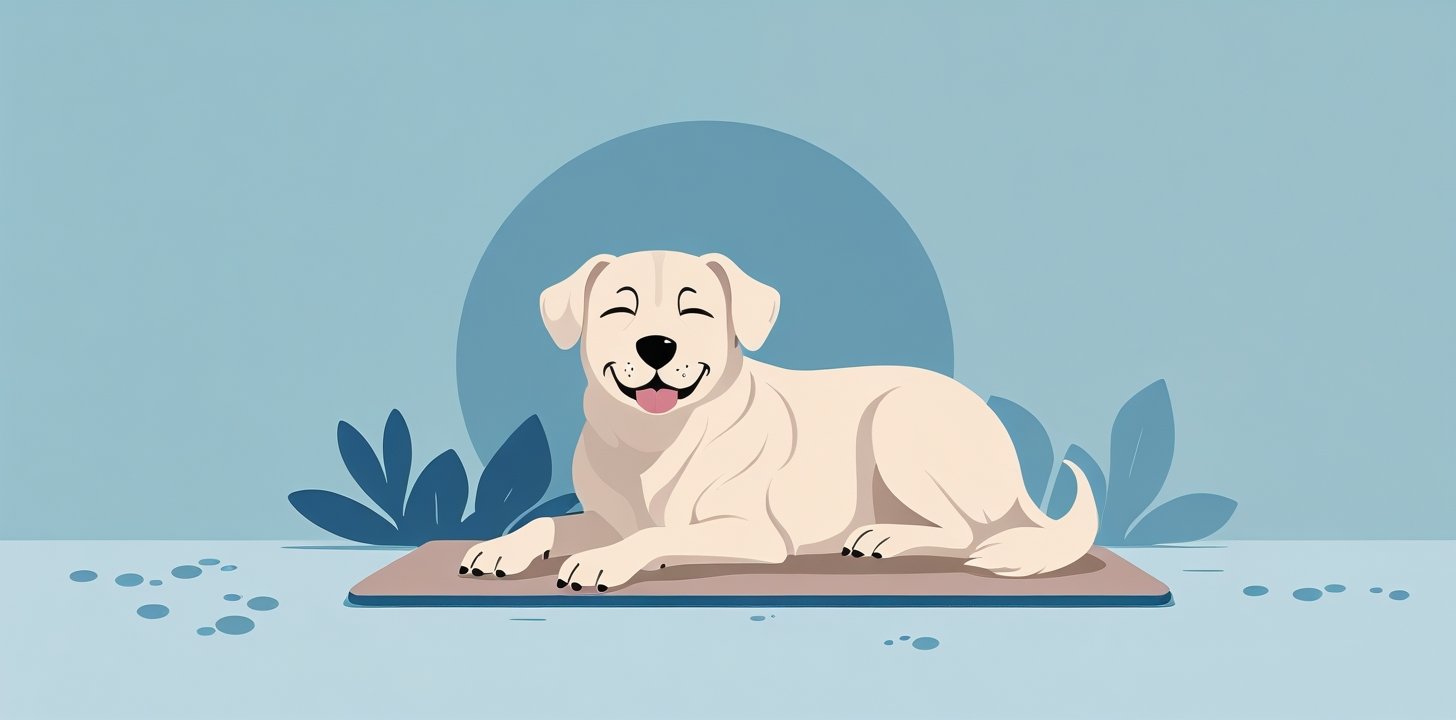
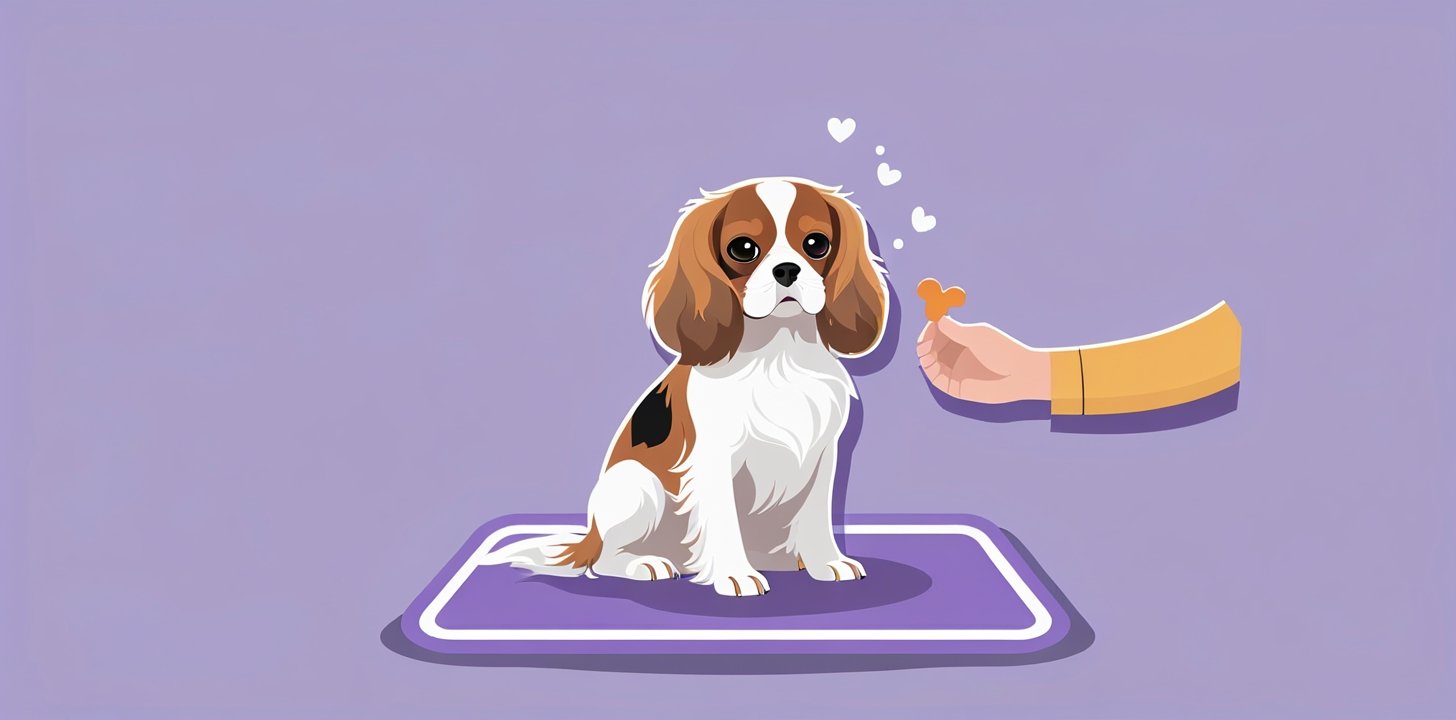
- Add the settle cue once baseline calm is established. Lure your dog onto a mat with a treat. The moment all four paws are on the mat and they begin to lower their body, say “settle” and deliver a treat to the mat surface. Repeat until they move to the mat on the verbal cue alone. Practice this in low-stress moments first, then use it as a pre-trigger routine.
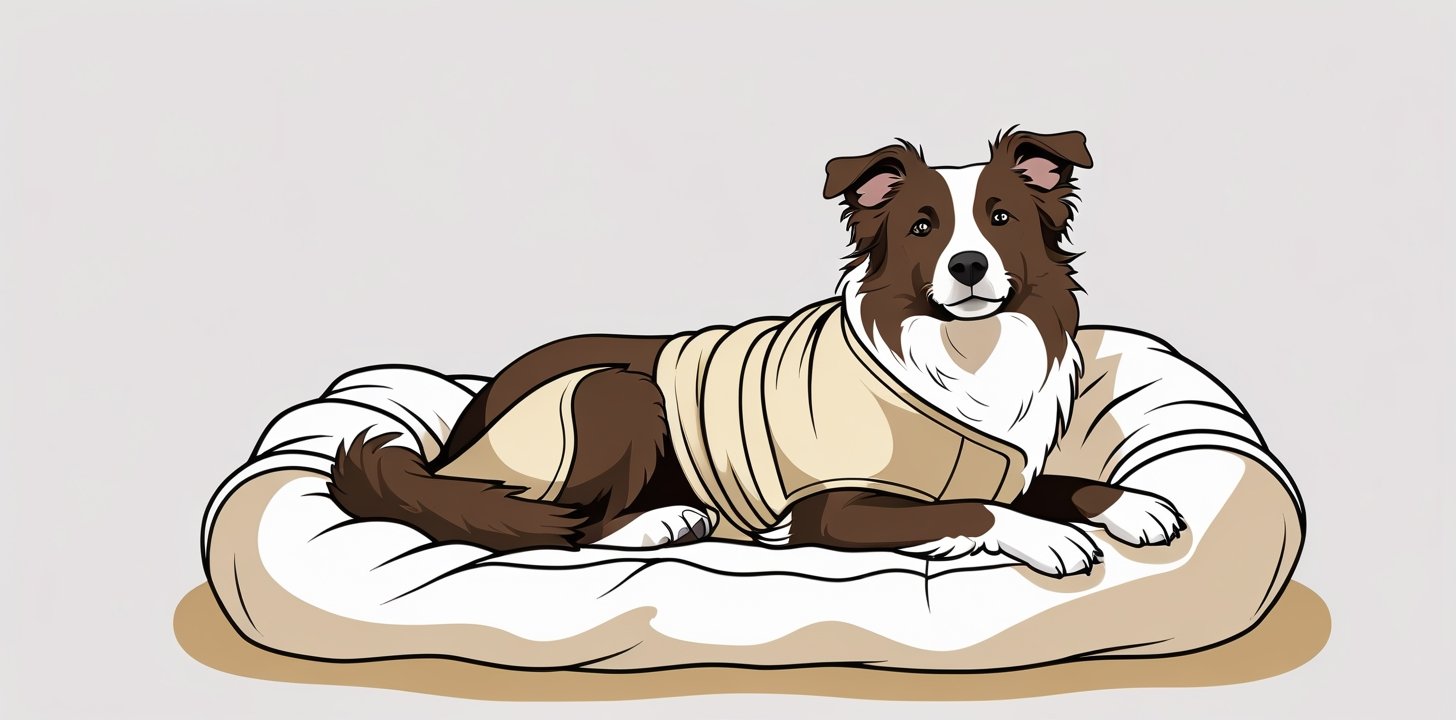
- Introduce management tools during training, not instead of it. A ThunderShirt applied snugly before the trigger (not during peak panic) and calming pheromones for dog anxiety can reduce baseline arousal and make the protocol more effective. These are adjuncts, not replacements.
Progress Timeline
| Week | Realistic Goal | Session Structure |
|---|---|---|
| 1 to 2 | No stress signals at minimal trigger intensity | 5 min, 2 to 3 times per week, very low intensity |
| 3 to 4 | Relaxed body language at low to moderate intensity | 10 min sessions, add settle cue practice |
| 5 to 8 | Calm response at moderate intensity, looking to you for treats | Begin fading to intermittent reward schedule |
| 8 plus | Generalization to real-world trigger contexts | Maintain with periodic practice sessions |
Expect to see subtle improvements (less panting, faster recovery) within 2 to 4 weeks. Reliable calm at moderate trigger intensity typically requires 4 to 8 weeks of consistent practice. Progress is not linear. A bad week does not erase previous gains.
Tip: If you can only do one thing today, play a thunder recording at the lowest volume your phone allows for 30 seconds while feeding your dog chicken continuously. Stop the recording and stop the treats at the same moment. That is a complete, correct first session. You have started.
Busting the Myths That Make This Worse
Myth: Panting is a dominance challenge. Use an alpha roll or physical correction to assert leadership.
This claim has no support in current behavioral science. Panting is driven by cortisol release through the HPA axis, not by any attempt to challenge social hierarchy. The dominance framework applied to dogs was extrapolated from flawed studies of captive, unrelated wolves and has been formally rejected by the AVSAB and the broader veterinary behavioral community. Physical corrections in response to stress panting raise cortisol, increase fear, and can trigger defensive aggression. They make the problem worse, not better.
Myth: Comforting a panting dog will reinforce the anxiety.
This is a persistent and harmful myth. Emotional states are not reinforced the way behaviors are. You cannot operantly condition fear to increase by offering comfort. Providing calm, predictable reassurance does not worsen anxiety. What matters is that you are not inadvertently reinforcing avoidance behaviors (such as carrying a dog away from a trigger every time they pant), but gentle contact and a calm voice are not harmful and can reduce cortisol in some dogs.
Myth: Shock collars or aversive tools will interrupt the panting and teach the dog to stop.
Aversive tools applied during stress responses spike cortisol, suppress behavioral signals without addressing the underlying emotional state, and frequently cause behavioral shutdown or redirected aggression. The AVSAB position statement identifies this as a welfare concern with documented harm. These tools have no place in the management of anxiety-related panting.
Warning: Dominance-based methods, alpha rolls, prong collars, and shock collars are not supported by current behavioral science and are explicitly opposed by the American Veterinary Society of Animal Behavior. Using aversive tools on an anxious dog increases cortisol, worsens fear, and can trigger aggression. If you have encountered this advice elsewhere, please disregard it entirely.
When to Get Professional Help
Some cases of excessive panting are beyond what a home protocol can address alone, and recognizing this early saves time and prevents the problem from escalating.
Seek professional help if:
- Panting persists for more than one week despite consistent management
- Your dog shows self-directed behaviors such as excessive licking, chewing, or scratching
- Panting is accompanied by aggression toward people or other animals
- You cannot identify a clear trigger
- Your dog cannot settle at all during the day or night
Who to contact and why:
Your general veterinarian is always the first call. They rule out medical causes, review medications, and can provide a referral. They cannot prescribe behavioral medication without a behavioral diagnosis in most cases, but they are the essential first step.
A CPDT-KA certified trainer (Certified Professional Dog Trainer, Knowledge Assessed) can guide you through desensitization and counterconditioning protocols, help you identify triggers, and provide structured support for mild to moderate cases. Find one at ccpdt.org.
A DACVB (Diplomate of the American College of Veterinary Behaviorists) is a veterinarian who has completed a residency and board certification in behavioral medicine. They can diagnose anxiety disorders, prescribe and monitor behavioral medication, and develop comprehensive treatment plans. Initial consultations typically range from $200 to $400. The American College of Veterinary Behaviorists estimates that only about 10% of practicing veterinary behaviorists are board-certified nationwide, which means waitlists can be long. Ask your vet for a referral early. Find a DACVB at acvb.org.
On behavioral medication: For moderate to severe cases, medications such as fluoxetine (an SSRI) or clomipramine (a tricyclic antidepressant) are evidence-based options that work alongside behavior modification, not instead of it. These medications typically require 4 to 6 weeks to reach full effect. For acute panic events (a specific thunderstorm, a known high-stress appointment), short-acting medications such as alprazolam may be appropriate. All medication decisions must be made with and monitored by a licensed veterinarian or DACVB.
| Professional | What They Do | Where to Find Them |
|---|---|---|
| General veterinarian | Rules out medical causes, medication referral | Your existing vet relationship |
| CPDT-KA trainer | DS/CC protocols, environmental management | ccpdt.org |
| DACVB | Behavioral diagnosis, medication prescription, full treatment plan | acvb.org |
Frequently Asked Questions
Why is my dog panting so much when doing nothing?
Panting at rest in a cool environment, without recent exercise, is not normal and warrants attention. The most common causes are stress or anxiety (including separation anxiety, noise sensitivity, or anticipatory fear), pain, or a medical condition such as Cushing’s disease or heart disease. Assess the body language accompanying the panting. Whale eye, lip licking, pacing, or an inability to settle points toward an emotional cause. Sudden onset in an older dog should be evaluated by a veterinarian the same day. Always rule out medical causes before assuming a behavioral explanation.
Is excessive panting a sign of anxiety in dogs?
Yes. Panting is one of the primary physiological ways dogs discharge stress. Unlike humans, who may verbalize distress or show visible sweating, dogs respond to anxiety through the HPA axis with panting, among other signals. This is especially common with separation anxiety, noise phobias, and situational stressors such as motion sickness in dogs or veterinary visits. Separation anxiety alone affects an estimated 20 to 40% of dogs seen by behavioral specialists, per research published in the Journal of Veterinary Behavior.
When should I worry about my dog panting?
Treat panting as a concern if it occurs at rest in cool conditions, persists longer than 10 to 15 minutes without an obvious physical trigger, or is accompanied by trembling, hiding, drooling, changes in breathing sounds, or inability to settle. Sudden onset panting in a senior dog, or panting paired with vomiting, lethargy, or limping, requires same-day veterinary attention. These combinations can indicate pain or serious medical conditions.
How can I tell if my dog is panting from pain or anxiety?
Pain-related panting often appears alongside other physical signs: limping, reluctance to move, changes in appetite, restlessness, guarding a body part, or flinching when touched. It may not correlate with any obvious situational trigger. Anxiety panting tends to appear in predictable contexts (being left alone, during storms, in the car) and is accompanied by appeasing body language such as lip licking, yawning, and whale eye. When in doubt, a veterinary exam is the only reliable way to distinguish between them.
Why does my dog pant heavily in the car?
Car panting often involves more than one cause operating at the same time. Motion sickness creates genuine nausea, which is a physical stressor. Confinement in a moving vehicle can trigger anxiety independently. And if your dog has had previous negative experiences in the car (arriving at the vet, for example), classical conditioning means the car itself now predicts something unpleasant. Work with a CPDT-KA certified trainer using a desensitization and counterconditioning protocol. Start with your dog near the stationary, engine-off car and build positive associations with high-value treats before progressing to movement. Expect 4 to 6 weeks of consistent practice for meaningful improvement.
Should I punish my dog for panting when I’m not around?
No. Punishing stress behaviors is harmful and counterproductive. Punishment activates the same HPA axis already driving the panting, raises cortisol further, and teaches your dog that the stressful situation is now also associated with something frightening from you. The AVSAB position statement on humane training explicitly identifies punishment of anxiety behaviors as a welfare concern that worsens outcomes. If you discover your dog was panting during your absence, treat this as useful information about their triggers. Use it to inform your desensitization protocol and consult a professional if the behavior is occurring regularly.
You noticed something was wrong, and you looked for answers. That already puts you ahead. Start with one session today: low intensity, high-value treats, 5 minutes. Your dog does not need perfection from you. They need consistency and safety, and you are already building both.
This article is for informational purposes only and does not replace professional veterinary or behavioral advice. If your dog’s panting is severe, sudden in onset, or accompanied by physical symptoms, contact your veterinarian promptly. Behavioral medication discussed in this article must be prescribed and monitored by a licensed veterinarian.