
EasyJet does not allow pets to travel in the cabin or cargo hold on any of its flights. If you’re planning to fly with your dog, cat, or other pet on this European low-cost carrier, you’ll need to make alternative arrangements.
The only animals permitted onboard are recognized assistance dogs, and even those face route restrictions.
This policy applies across all easyJet routes, whether you’re flying domestically within the UK, hopping between European cities, or traveling to North Africa.
EasyJet Pet Policy at a Glance
No (all species prohibited)
Not available
Yes (most routes, free)
Phone (48hr minimum notice)
Why EasyJet Doesn’t Allow Pets

EasyJet does not transport animals as passengers, either in the cabin or in the cargo hold. This applies to all pet species: dogs, cats, rabbits, birds, and any other companion animals.

The airline doesn’t provide detailed reasoning on its official policy pages, but this restriction is common among European low-cost carriers.
The policy allows for faster turnarounds, simpler operations, and avoids the complexity of managing pet-related requirements across dozens of countries with varying import regulations.
No Cargo or Checked Baggage Option
Unlike some full-service carriers that offer cargo hold transport for pets, easyJet provides no such service. There is no manifest cargo option, no checked pet program, and no partnership with pet transport companies.
What You Cannot Do on EasyJet
- Check your pet as special baggage in a crate
- Book cargo space for your pet to travel in the hold
- Arrange pet transport through easyJet on any route, regardless of distance or destination
- Transport pet crates as regular checked luggage (even empty crates may face restrictions)
If your pet must travel on the same day you do, you’ll need to book with a different airline or arrange ground transportation.
Assistance Dogs: The Only Exception
EasyJet allows recognized assistance dogs to travel in the cabin free of charge on most routes. However, the requirements are specific and the approval process requires advance planning.
What Qualifies as an Assistance Dog
EasyJet defines an assistance dog as one that has been specifically trained to perform tasks for a person with a disability. The dog must be certified by a recognized organization:
Accepted Certification Organizations
- Assistance Dogs International (ADI) accredited organizations
- International Guide Dog Federation (IGDF) member organizations
- Comparable organizations in EU or Swiss countries (evaluated case-by-case, excluding UK organizations not covered above)
The key word is “trained.” Your dog must have formal certification proving it has completed a recognized assistance dog training program. A letter from your doctor or therapist stating you need the dog is not sufficient.
Emotional Support Animals Are Not Accepted
EasyJet explicitly prohibits emotional support animals. Even if you have documentation from a mental health professional, your emotional support dog cannot travel in the cabin.
This policy aligns with changing regulations across Europe and mirrors restrictions implemented by most U.S. carriers in recent years.
Required Documentation for Assistance Dogs
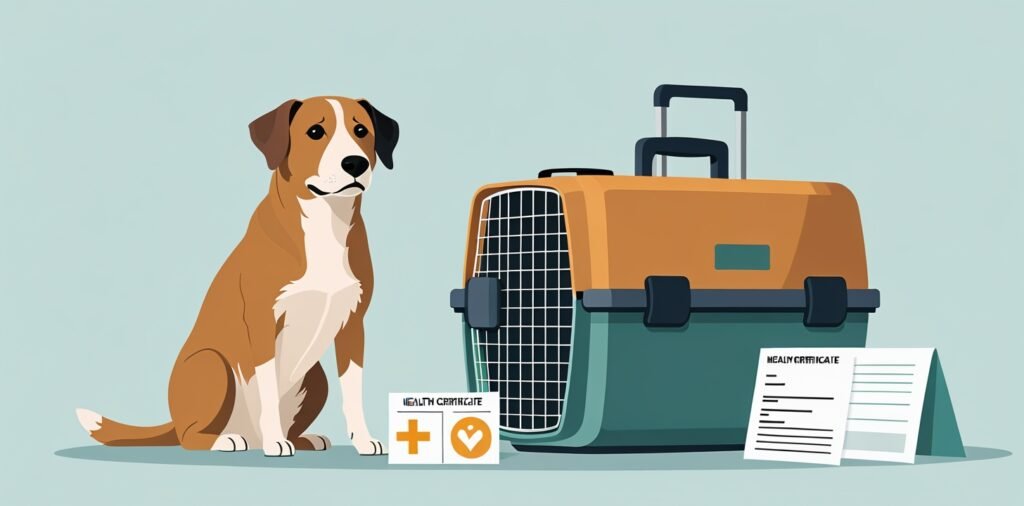
To fly with your assistance dog on easyJet, you must provide:
Complete Documentation Checklist
- Training certification: Official documentation from an ADI, IGDF, or approved equivalent organization proving your dog completed an assistance dog program
- Veterinary fitness certificate: A vet-issued document confirming your dog is fit to fly, issued within 48 hours of your departure
- Vaccination records: Proof of rabies vaccination and any other immunizations required by your destination country
- Travel documentation: EU Pet Passport or equivalent pet travel scheme documents required for entry to your destination
Routes Where Assistance Dogs Cannot Travel
Even with proper documentation, assistance dogs are not permitted on easyJet flights to or from the following countries due to local customs regulations:
Restricted Destinations for Assistance Dogs
- Egypt
- Israel
- Kosovo
- Montenegro
- Morocco
- Turkey
This restriction is based on the destination country’s regulations, not easyJet’s preference, so contacting the airline won’t result in an exception.
How to Book Travel with an Assistance Dog
Booking assistance dog travel on easyJet requires contacting the airline directly. You cannot simply show up at the airport with your dog, even with all required documentation.
The Booking Process
- Book your own ticket first: Complete your flight reservation through easyJet’s website or app as normal
- Contact the Special Assistance Team: Reach out as soon as possible after booking, but no later than 48 hours before departure
- Provide dog details: Share information about your assistance dog, including breed, size, and certification details
- Submit documentation: Send copies of training certification and other required documents as requested
- Receive confirmation: Wait for approval from the assistance team before considering your dog confirmed for travel
Contact Information
EasyJet’s Special Assistance Team contact numbers vary by country. Visit the official contact page at https://www.easyjet.com/en/help/contact to find the appropriate phone number for your location.
You can also submit a special assistance request through the online form at https://www.easyjet.com/en/help/boarding-and-flying/special-assistance, though phone contact often yields faster responses for time-sensitive requests.
Fees for Assistance Dogs
There is no charge for traveling with a properly documented assistance dog on easyJet. Your dog travels free of charge and does not count against your baggage allowance.
However, you are still responsible for any fees associated with obtaining the required documentation, including veterinary certificates, vaccinations, and pet passports.
Check-In Requirements with an Assistance Dog
When traveling with an assistance dog, plan to arrive at the airport earlier than you would for a standard flight. EasyJet recommends arriving at least 2 hours before departure, though some airports require up to 3 hours for special assistance cases.
Proceed directly to the special assistance desk rather than standard check-in counters or kiosks. Staff there will verify your documentation and process your dog’s travel approval.
Destination Entry Requirements
EasyJet’s approval to fly with your assistance dog does not guarantee entry to your destination country. You must separately comply with all import regulations for the country you’re visiting.
Common Entry Requirements by Country
- Microchip: ISO-compliant microchip implanted before rabies vaccination
- Rabies vaccination: Current rabies shot administered at least 21 days before travel (some countries require rabies titer blood tests)
- Tapeworm treatment: Required for entry to UK, Ireland, Finland, Norway, and Malta (administered 1-5 days before arrival)
- EU Pet Passport: Required for travel between EU countries (UK pet passports no longer valid for EU entry post-Brexit)
- Import permits: Some countries require advance approval or permits for any dog entry
These requirements are completely separate from easyJet’s policies. Research your destination’s regulations through official government sources well before your travel date.
Your Alternatives for Pet Travel
Since easyJet doesn’t accommodate pets, you have several alternatives depending on your situation:
Alternative Airlines
Several European carriers allow small pets in the cabin on certain routes. Research airlines serving your specific city pair to find pet-friendly options. [INTERNAL LINK: comparison of European airline pet policies]
Be prepared to pay more than easyJet’s typical fares. Airlines that accept pets are usually full-service carriers with higher base prices, and pet fees add £40-100 ($50-125 USD) each way.
Ground Transportation
For travel within Europe, trains and buses often have more accommodating pet policies than budget airlines. Eurostar allows small pets in carriers, and many regional train services throughout Europe permit leashed dogs.
If your journey is under 6-8 hours by train, this may be more comfortable for your pet than flying anyway.
Pet Transport Services
Professional pet transport companies can arrange door-to-door service for your pet, either by ground or by booking cargo space on pet-friendly airlines. This option is expensive but removes the complexity of managing pet travel yourself. Expect to pay £300-800+ ($375-1000+ USD) depending on distance and service level.
Pet Care at Home
For short trips, leaving your pet with a trusted sitter, boarding facility, or family member may be the most practical solution. This avoids the stress of travel for your pet and the logistical challenges of finding pet-friendly transportation and accommodations.
Why This Policy Matters for Your Travel Planning
EasyJet operates over 1,000 routes across Europe, North Africa, and the Middle East, making it one of the continent’s largest carriers. If you’ve relied on easyJet for budget travel in the past, you’ll need to adjust your planning process when traveling with pets.
This may mean:
Travel Planning Adjustments for Pet Owners
- Paying higher fares with full-service carriers that accept pets
- Limiting your travel to destinations reachable by pet-friendly ground transportation
- Arranging pet care for every trip rather than bringing your animal along
- Choosing vacation rentals and hotels based on proximity to your home rather than flight convenience
For assistance dog handlers, the route restrictions to Turkey, Morocco, Egypt, Israel, Kosovo, and Montenegro eliminate some popular holiday destinations.
If you have flexibility in your travel plans, choosing destinations where your assistance dog can accompany you will simplify your journey considerably.
Frequently Asked Questions
Can I bring my small dog in a carrier if it fits under the seat?
No. EasyJet does not allow any pets in the cabin regardless of size, carrier type, or your willingness to pay extra fees. The only animals permitted are certified assistance dogs for passengers with disabilities.
What if I have a doctor’s note saying I need my emotional support dog?
Emotional support animals are not recognized by easyJet, even with medical documentation. Only dogs that have completed formal training through ADI, IGDF, or comparable recognized organizations qualify as assistance dogs.
Can I pay extra to bring my pet in the cargo hold?
No. EasyJet does not offer cargo hold transport for pets at any price. There is no manifest cargo service, no checked pet program, and no way to pay for your pet to travel in the aircraft hold.
I’m flying from London to Barcelona. Are there any airlines on this route that allow pets?
Several full-service carriers operate between London and Barcelona and may allow small pets in cabin, though policies vary. Research current pet policies for British Airways, Iberia, Vueling, and other carriers serving this route. Be prepared for higher fares than easyJet and additional pet fees of £40-100 each way. [INTERNAL LINK: British Airways pet policy]
My assistance dog is trained but not certified by ADI or IGDF. Can I still fly?
Possibly, but approval is not guaranteed. EasyJet evaluates assistance dogs from comparable EU or Swiss organizations on a case-by-case basis. Contact the Special Assistance Team with details about your dog’s training organization and certification. UK organizations not covered by ADI or IGDF accreditation are specifically excluded.
What happens if I show up at the airport with my pet without prior approval?
You will be denied boarding. EasyJet requires advance notice and approval for assistance dogs, and pets of any kind are prohibited. Arriving at the airport with an unapproved animal will result in you either leaving your pet behind or missing your flight.
This article is for informational purposes only. Airline policies change frequently. Always verify current requirements directly with the airline before booking.