
Planning a trip and dreading the cramped hotel room with your dog? A dog-friendly Airbnb gives you space, privacy, and real amenities like a fenced yard and a kitchen. But finding one that actually welcomes your specific dog requires more than clicking a filter.
This guide walks through the exact search strategy, fee breakdown, and host communication process that prevents cancellations and surprise charges.
Learn what to book, when to book it, and how to avoid the mistakes that cost travelers hundreds in emergency cleaning fees.
8-Week Booking Timeline for Pet-Friendly Airbnbs

Popular pet-friendly listings in destinations like Portland, Oregon fill 2-3 months in advance during peak season. This timeline ensures you secure the right property without last-minute panic.
- 8 Weeks Before: Apply Airbnb’s “Pets Allowed” filter and search keywords like “dog-friendly” and “fenced yard.” Shortlist 5-10 listings. Budget 2-4 hours for thorough research. Cost: free.
- 6 Weeks Before: Message your top 3-5 hosts using the template in the communication section below. Include your dog’s breed, weight, and behavior. Hosts typically respond within 1-3 days.
- 4 Weeks Before: Review host replies and confirm the complete fee breakdown (pet fee, cleaning fee, deposit). Ask about yard security and nearby parks.
- 3 Weeks Before: Book your confirmed listing. Pay the pet fee ($20-100) and cleaning fee ($50-150) upfront as part of your total. Arrange to ship large pet supplies if needed.
- 1 Week Before: Pack your dog’s travel essentials (see gear list below). Schedule a vet check if staying longer than 30 days. Re-read the house manual for specific pet rules.
- Day Before: Send a final message confirming your check-in time and reiterating that you’re bringing your dog as previously discussed.
Pro Tip: Start your search 8-12 weeks out for 90% success in popular areas. Waiting until 4-6 weeks before reduces available options by 30% during peak travel seasons.
How to Find Dog-Friendly Airbnbs: Specific Search Strategy
The “Pets Allowed” filter is your starting point, not your endpoint. One-third of filtered listings have unstated restrictions that only appear in the house rules or host messages.
- Apply the Official Filter: On Airbnb’s search page, select “Pets Allowed” under Amenities. Input the exact number of pets you’re bringing (1-2 pets is the typical host limit).
- Add Keyword Searches: In the search bar, type “dog-friendly,” “fenced yard,” or “near dog park.” Listings mentioning these phrases in titles or descriptions are more accommodating.
- Read House Rules Completely: Scroll to the House Rules section on every listing. Look for weight limits (commonly under 50 lbs), breed restrictions, and whether pets can be left alone.
- Examine Photos for Clues: Hardwood or tile floors are easier to clean than carpet. Look for visible fencing, secure gates, and minimal delicate decor. Rural listings often show fenced yards of 9,000+ square feet.
- Check the Map View: Verify proximity to parks or trails. A listing within a 10-minute walk of green space significantly improves your dog’s experience.
According to Airbnb’s official help page, hosts set their own pet policies individually. The platform filter indicates general willingness, but confirmation via direct messaging is required to avoid booking issues.
Complete Cost Breakdown for Pet-Friendly Airbnb Stays
Pet fees are not standardized. Every host structures charges differently. Here’s exactly what you’ll pay and when.
| Fee Type | Cost Range | What It Covers | When Charged |
|---|---|---|---|
| Pet Fee | $20-100 flat per stay | Additional cleaning and wear from hosting a pet. Budget properties: $20-50. Mid-range: $50-75. Luxury: $100+. | Added to booking total; non-refundable. |
| Cleaning Fee | $50-150 | Standard post-checkout cleaning of entire property. US average: $161 (2025 data, verify current rates). | Part of booking total; separate from pet fee. |
| Pet-Specific Cleaning | $25-50 | Extra cleaning for pet hair, odor removal. Not all hosts charge this separately. | May be included in standard cleaning or itemized. |
| Security Deposit | $100-500 | Refundable hold against damages (pet-related or otherwise). | Authorized on card at check-in; refunded 48 hours post-checkout if no issues. |
| Nightly Rate Premium | +10-20% | Pet-friendly properties often charge slightly higher base rates than comparable non-pet listings. | Built into nightly rate. |
Total Cost Ranges for 7-Night Stay:
- Budget: $150-300 in pet-related extras (short stay, basic property)
- Typical: $300-600 in extras (mid-range property, standard fees)
- Premium: $600+ in extras (luxury property, multiple pets, high-demand location)
Hidden Costs to Watch: Undeclared pets trigger emergency cleaning fees averaging $200. Some properties in resort areas add $20-50 resort fees. Always review the complete “Price Details” section before booking.
Savings Strategy: Negotiate fees for stays longer than 7 nights (10-20% discount possible). Book off-peak seasons for better rates. According to Airbnb’s pet fee policy, pet fees are flat rates for your entire stay, not nightly charges.
Pro Tip: No federal fees apply to domestic Airbnb stays. USDA APHIS and CDC regulations only govern international pet travel or commercial transport, not private vacation rentals within the US.
What to Look for in Dog-Friendly Airbnb Amenities

The best listings provide features that make your dog’s stay safe and enjoyable, reducing your stress and protecting the property.
- Fully Fenced Yard: Look for descriptions stating “secure,” “private,” or “fully fenced.” Verify fence height and gate latches in photos. Message hosts to confirm current condition, as photos may be outdated.
- Proximity to Green Space: Use map view to identify parks or trails within 10 minutes walking distance. This is critical for multiple daily bathroom breaks and exercise.
- Pet Supplies Provided: Some hosts offer bowls, waste bags, spare leashes, or dog beds. This isn’t common but indicates a truly pet-welcoming property.
- Safety Features: Secure gates, no toxic plants (check yard photos for oleander, sago palm, azaleas), hard flooring instead of carpet, and no small gaps in fencing where dogs could escape.
- Nearby Veterinary Care: Search “[city name] emergency vet” before booking. Note the closest 24-hour clinic. Pet Poison Helpline: 888-426-4435.
Properties with fenced yards are most common in coastal and mountain destinations where outdoor access is a primary draw. Urban listings typically highlight proximity to dog parks instead.
How to Communicate with Hosts About Your Dog
This step prevents 90% of booking problems. Never request to book before getting written host approval for your specific dog.
Send this message via Airbnb’s messaging system before clicking “Request to Book.” Fill in the bracketed sections with your details:
“Hi [Host Name],
I’m interested in your listing for [dates] and was pleased to see it’s pet-friendly. I wanted to provide details about my dog to ensure it’s a good fit.
I’ll be traveling with my dog, [Dog’s Name]. He/She is a [Breed], weighs [Weight] lbs, and is house-trained and crate-trained. [He/She] is calm, well-socialized, and does not bark excessively. We always clean up after our pet and will ensure no damage occurs.
Could you please confirm your pet policy, including any size or breed restrictions, and let me know the total pet fee for our stay? Also, is the yard fully fenced and secure?
Thank you for your time!”
This message discloses breed, size, and behavior upfront. It demonstrates responsibility and formally requests policy confirmation. Keep the host’s positive reply in your Airbnb message thread as proof of permission.
Response Timeline: 70% of hosts respond within 24 hours when you use a clear, detailed template. If no response after 48 hours, message your second-choice listing.
Breed-Specific Considerations and Restrictions
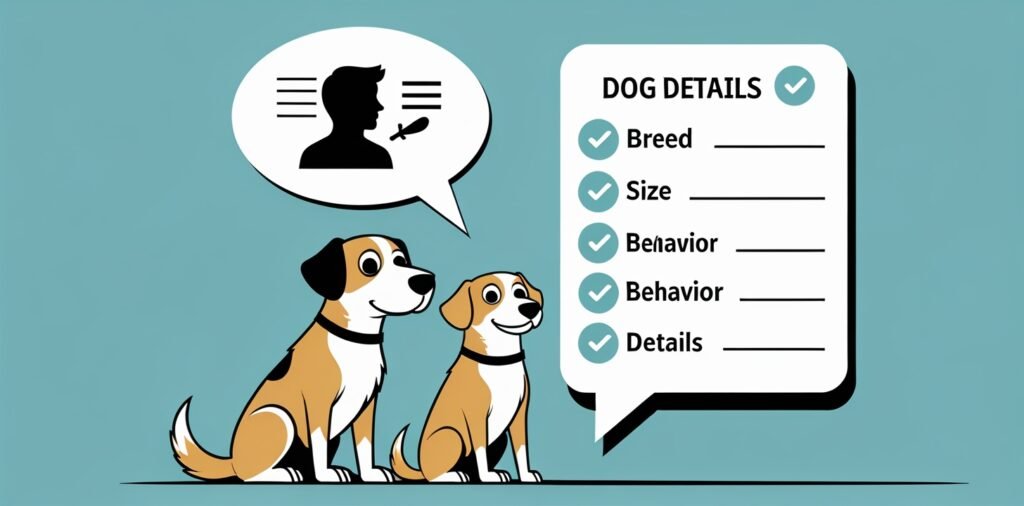
Airbnb has no platform-wide breed ban, but individual hosts and their insurance policies frequently restrict certain breeds. Disclosure is your only strategy.
Common restrictions include weight limits (often under 50 lbs) and bans on breeds labeled “aggressive” by insurance companies: Pit Bulls, Rottweilers, German Shepherds, Dobermans, and Akitas. These restrictions appear in approximately 20% of pet-friendly listings.
| Restriction Type | How It Appears | Your Action Plan |
|---|---|---|
| Breed Ban | Listed in House Rules or disclosed when you message. May stem from local regulations (some Florida counties) or insurance requirements. | Disclose breed immediately in your first message. If banned, search for listings explicitly stating “all breeds welcome” or contact hosts individually to explain your dog’s temperament and training. |
| Size/Weight Limit | “Dogs under 25 lbs only” or “Dogs under 50 lbs.” Very common in apartments or smaller properties. | Filter for “Entire Home” listings, which accept larger dogs more frequently. State your dog’s exact weight in your initial message. Never round down. |
| Number of Pets | Most hosts cap at 1-2 pets. Some allow up to 5 with advance approval. | Input your exact pet count in the search filter. Never attempt to bring undisclosed animals. |
| Vaccination Proof | Some hosts request current rabies vaccination records. | Carry a copy of your dog’s rabies certificate. Valid for 1-3 years depending on vaccine type and state law. |
Service Animal Exemption: According to Airbnb’s Accessibility Policy, service animals are exempt from pet fees and breed restrictions. You may need to provide documentation. Emotional support animals (ESAs) are treated as pets and subject to standard fees and restrictions.
Brachycephalic Breeds: Pugs, Bulldogs, and other flat-faced breeds may face additional scrutiny from hosts concerned about respiratory issues or allergies. Disclose upfront and emphasize your dog’s health status.
Preparing Your Dog for an Airbnb Stay

Preparation prevents stress for your dog and protects the rental from accidents or damage.
Essential Packing List (20 Items):
- Dog’s regular bed or familiar blanket (smells like home)
- Favorite toys (2-3 to prevent boredom)
- Collapsible food and water bowls ($10)
- 7-day supply of regular food (prevents digestive upset)
- No-spill water bottle for travel ($12)
- Waste bags (50-count pack, $15)
- Leash and backup leash
- Current ID tags with your cell number
- Pee pads (50-count, $15) for emergencies or indoor-trained dogs
- Crate if required by host (airline-approved hard-sided for 25 lbs: 24″L x 18″W x 19″H, $50-150)
- Medications and copies of prescriptions
- Rabies vaccination certificate
- First aid kit (gauze, antiseptic, tweezers)
- Enzymatic cleaner for accidents ($8-15)
- Lint roller for furniture ($5)
Pre-Travel Preparation:
- Crate Training: If the host requires crating when alone, practice 30 minutes daily for 7 days before departure. Gradually increase duration.
- Vet Check: Schedule a wellness exam if staying longer than 30 days. Cost: $50-100. Ask about travel anxiety medications like Trazodone (5-10 mg/kg, verify dosage with your vet).
- Behavior Refresher: Practice “leave it,” “quiet,” and “come” commands. These are critical in a new environment with unfamiliar temptations.
- Climate Acclimation: If traveling to a significantly different climate, begin acclimation 7 days before departure by adjusting indoor temperature gradually.
Upon Arrival: Take your dog on a leashed tour of permitted areas first. Show them their water bowl and bed to establish a home base before unpacking. This reduces anxiety and prevents accidents.
Common Mistakes That Cost Travelers Money
These real-world errors lead to cancellations, extra fees, or miserable stays. Learn from others’ mistakes.
- Assuming “Pets Allowed” Means “My Dog Allowed”: The filter indicates general willingness, not specific approval. One-third of filtered listings have unstated restrictions. Always message before booking.
- Booking Without Host Confirmation: This is the biggest mistake. Hosts can cancel your reservation if you arrive with an undeclared pet. You’ll be charged an emergency cleaning fee averaging $200 and may receive a negative review.
- Ignoring the Complete Fee Breakdown: Don’t just look at the nightly rate. Scroll to “Price Details” to see the total including pet fees, cleaning fees, service charges, and taxes. Budget for the full amount.
- Skipping the House Manual: After booking, the digital house manual contains specific pet rules: “no pets on furniture,” “must be crated if left alone,” “pets not allowed in bedrooms.” Violating these rules risks losing your security deposit ($100-500) and receiving a bad review.
- Rounding Down Your Dog’s Weight: If your dog weighs 52 lbs and the limit is 50 lbs, don’t round down. Hosts will notice, and you’ll face cancellation or fees.
- Bringing Undeclared Additional Pets: 85% of hosts cap pets at 1-2. Sneaking in an extra animal violates Airbnb’s terms and can result in immediate eviction with no refund.
Understanding Local Regulations for Rental Properties
No federal regulations from USDA APHIS, CDC, or DOT govern domestic Airbnb stays with dogs. However, local animal control laws may apply.
State and Local Considerations:
- California: Some HOA rules prohibit pets in rental properties. Verify with host before booking.
- Florida: Certain counties have breed-specific legislation affecting rentals. Hosts in these areas may have stricter policies.
- Leash Laws: Most cities require leashes in public spaces. California mandates restraints in vehicles (harness required, $100 fine for violations).
- Noise Ordinances: Excessive barking can trigger local fines up to $500. Ensure your dog is comfortable being left alone or plan to take them with you.
For international travel or commercial transport, consult USDA APHIS pet travel guidelines and CDC pet travel requirements. These do not apply to domestic vacation rentals.
Road Travel to Your Airbnb
Most pet-friendly Airbnb trips involve driving. Follow these safety protocols.
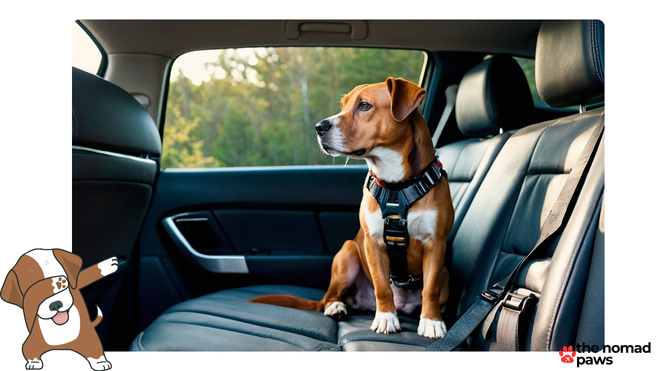
- Restraint Requirements: California and several other states require dogs to be restrained in vehicles (harness or crate). Fines: $100-200.
- Break Schedule: Stop every 2 hours for 15-30 minute relief breaks. Offer water at each stop.
- Feeding Schedule: Withhold food 12 hours before departure to prevent car sickness. Offer small meals during long drives. Water should be available hourly.
- Temperature Safety: Never leave dogs in parked cars. Interior temperatures reach 120°F within 30 minutes on 70°F days.
- Motion Sickness: Ask your vet about Cerenia ($20-40 per dose, verify current pricing). Do not use sedatives for travel.
Distress Signs: Excessive panting (longer than 30 minutes), vomiting, lethargy, or refusal to drink water. Pull over immediately and contact a vet if symptoms persist.
FAQ: Dog-Friendly Airbnbs
How do I find dog-friendly Airbnbs?
Use Airbnb’s “Pets Allowed” filter under Amenities and input your exact number of pets. Search keywords like “dog-friendly” or “fenced yard” in the search bar. Read House Rules on every listing for size and breed restrictions. Message hosts before booking to confirm your specific dog is welcome. Reference: Airbnb’s official search help page.
What are typical Airbnb pet fees?
Pet fees range from $20-100 flat per stay. Budget properties charge $20-50, mid-range $50-75, luxury $100+. This is separate from cleaning fees ($50-150) and security deposits ($100-500). Always check “Price Details” before booking. Reference: Airbnb’s pet fee policy.
Are all Airbnbs pet-friendly?
No. Only listings where hosts have selected “Pets Allowed” accept dogs. According to Airbnb’s official policy, hosts set individual rules. Approximately 50% of filtered listings have additional unstated restrictions. Always confirm with the host via message before requesting to book.
What should I look for in dog-friendly Airbnb amenities?
Prioritize fully fenced yards (verify security in photos), proximity to parks or trails (within 10 minutes walking), hard flooring instead of carpet, secure gates, and no toxic plants. Some hosts provide pet bowls, waste bags, or dog beds. Urban listings should highlight nearby dog parks.
How do I communicate with Airbnb hosts about my dog?
Send a message before requesting to book. Include your dog’s breed, exact weight, and behavior (house-trained, crate-trained, socialization level). Ask the host to confirm their pet policy, any restrictions, and the total pet fee. Use the template provided in the communication section above. Keep the host’s positive reply as proof of permission.