


Are fleas bad this year? You’re not the only one wondering if your furry friends are in danger in 2026.
As we move through 2026, pet owners across the United States are expressing growing concern about the prevalence of fleas and ticks.
These concerns are well-founded. A combination of environmental shifts and evolving parasite behavior has created a heightened risk of infestation, making proactive prevention more critical than ever.
Continue reading to find a comprehensive overview of the current landscape, drawing on the latest data and scientific research to equip you with effective strategies to protect your pets in 2026.



The Growing Threat: Why Flea and Tick Populations are Surging

The significant increase in flea and tick populations in recent years is not a coincidence but rather the result of long-term environmental trends.

The primary drivers behind this surge are climate change and continued urban expansion, which together have created ideal conditions for these parasites to thrive and expand their territories.
Climate Change as a Major Catalyst
One of the most significant factors contributing to the rise in parasite numbers is global climate change.
The trend of warmer winters and earlier springs has a direct impact on the life cycles of fleas and ticks. Recent years have consistently broken temperature records, creating a more hospitable environment for parasites year-round.
According to the World Meteorological Organization (WMO), 2025 was confirmed as one of the warmest years on record, continuing a streak of exceptionally warm years including 2024 and 2023.
These elevated temperatures, with 2025 averaging 1.47°C above pre-industrial levels, prevent the seasonal die-off of parasite populations that would typically occur during colder winters.
As a result, more fleas and ticks survive into the spring, leading to larger and more robust populations that emerge earlier in the season.
This trend means that the traditional concept of a “flea and tick season” is becoming obsolete, with veterinarians now widely recommending year-round protection.
Like we share in our dog camping checklist, being aware of this problem and knowing what products help your dogs and cats stay parasite-free is one of the most important steps to take as a pet owner.
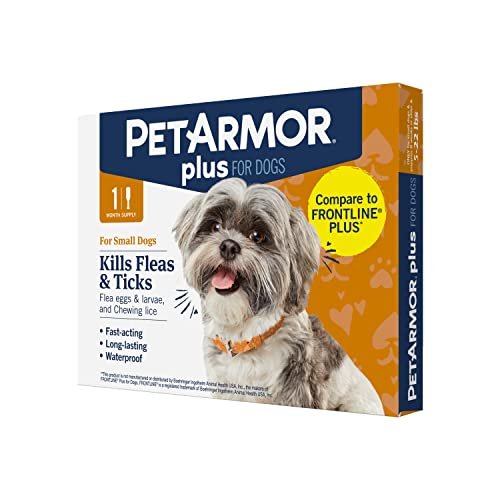
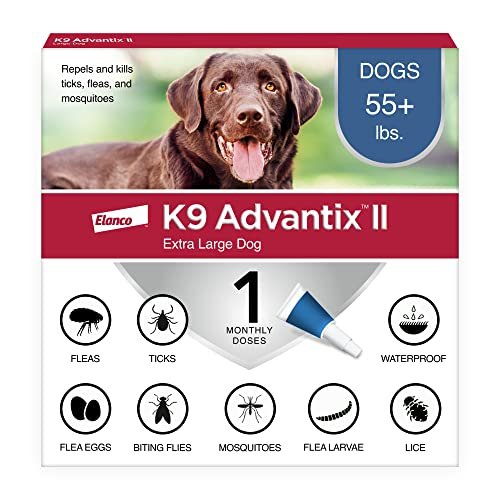
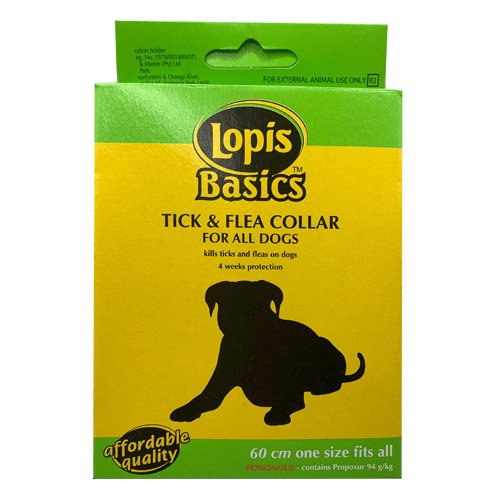
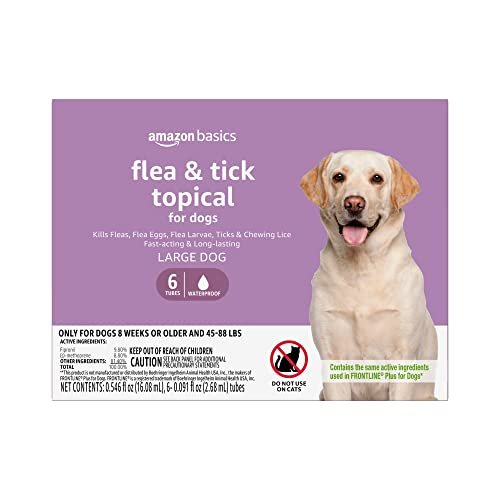
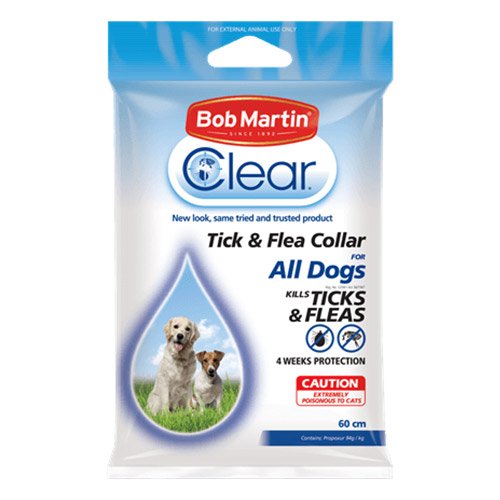
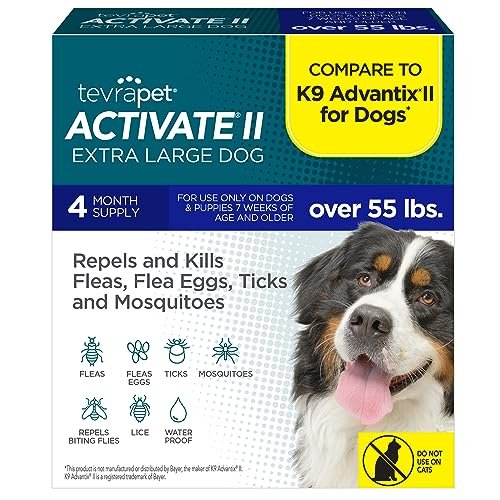
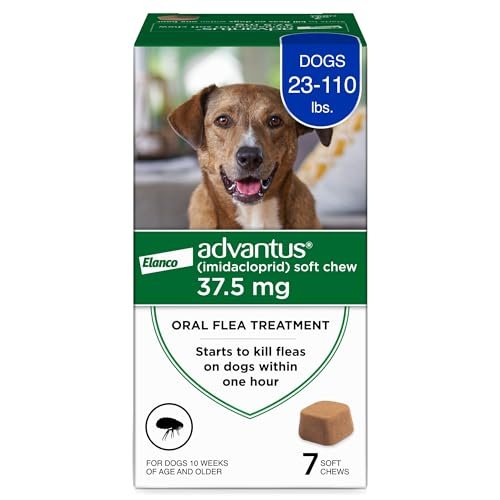
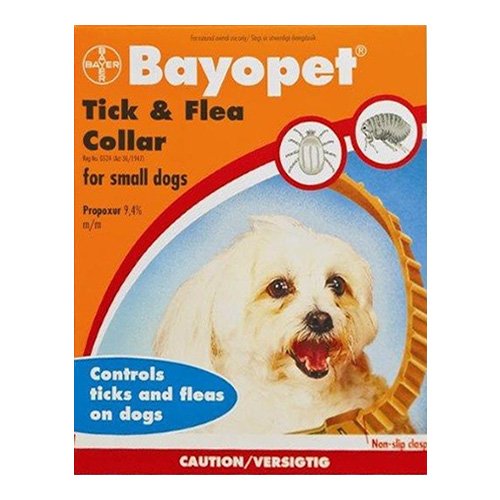
Need some help finding the best products to keep your dogs and cats tick and flea-free? Take a look at our tests of the top fleas and ticks collars for dogs!
Urban Sprawl and Human-Wildlife Interaction
Concurrent with climate change, the expansion of urban and suburban areas into natural habitats has increased the proximity between humans, pets, and wildlife.
This encroachment brings pets into more frequent contact with wildlife that serve as hosts for fleas and ticks, such as deer, raccoons, and rodents.
The fragmentation of forests and other natural landscapes can lead to higher densities of these host animals in smaller areas, further concentrating the parasite population and increasing the risk of transmission to domestic animals.
2026 Outlook: What the Data Predicts
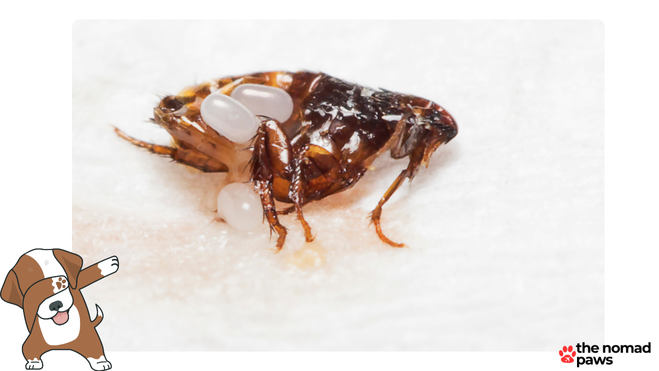
Forecasts for 2026 and beyond indicate a continued upward trend in parasite populations and the diseases they carry.
The Companion Animal Parasite Council (CAPC), which has a historical accuracy rate of over 94% in its predictions, forecasts a persistent and expanding threat across the United States.
The tick vector (Ixodes scapularis) of Lyme disease (Borrelia burgdorferi) continues to expand its geographic range.
While these ticks (called black-legged ticks) are found across much of the eastern half of the United States, the populations in the North appear to pose a higher risk of transmitting Lyme disease to humans and dogs.
Unfortunately, we are seeing these populations spread South and West in the United States as well as northward into new areas of Canada.
This expansion is not limited to a single region. The CAPC forecasts show a complex pattern of spread:
| Region | 2026 Lyme Disease Risk Forecast |
| Upper Midwest & Northeast | Continued high-risk areas, with increasing connection across Indiana, Illinois, Michigan, and Ohio. |
| Southeast | Southward expansion of risk into eastern Tennessee and northern North Carolina. |
| Plains States | Westward expansion along major rivers in North Dakota, northeastern South Dakota, and southeastern Iowa. |
Heartworm disease, transmitted by mosquitoes, is also on the rise due to the northward expansion of mosquito species like the Asian tiger mosquito.
The highest risk remains in the southeastern U.S., but a significant push northward along the Mississippi River and the Atlantic coast is putting a larger portion of the country at heightened risk.
Digital tools for pest tracking and automated treatment systems have started to emerge and are expected to bring significant changes in the wat we monitor and fight ticks and fleas.
At the same time, also sustainable, eco-friendly products have started to gain traction among pet owners.
The Perception Gap: Pet Owner Awareness vs. Reality

While the environmental factors driving the increase in parasites are clear, a significant challenge in controlling infestations lies in the gap between pet owner awareness and their actual practices.
A comprehensive global survey conducted by Merck Animal Health in late 2024 and early 2025 revealed a critical disconnect.
Although a vast majority of pet owners (83%) consider flea and tick treatment a crucial part of their pet’s care, compliance remains a major issue. The survey found that:
- 46% of dog owners and 51% of cat owners admitted to having forgotten to administer flea and tick prevention in the past year.
- In the United States, two-thirds of veterinarians reported that most pet owners do not follow a year-round treatment plan.
This lack of adherence is compounded by a significant underestimation of the risks. While most owners are aware of the direct threat to their pet’s health, only 40% strongly agree that fleas and ticks pose a threat to their own personal health.
This is particularly concerning given the rise of zoonotic diseases, illnesses that can be transmitted from animals to humans. For example, the survey found that 67% of pet owners globally were unaware of ehrlichiosis, a serious tick-borne illness that can require hospitalization in humans.
Innovations in Prevention: A Look at 2026 Strategies
The growing and year-round nature of the parasite threat has spurred significant innovation in the animal health industry.
The market for flea, tick, and heartworm products is projected to continue its strong growth, with the global animal parasiticides market expected to grow from USD 13.82 billion in 2026 to over USD 23 billion by 2034.
This growth is driven not just by increasing demand, but by the development of more effective and convenient solutions designed to improve compliance and provide more comprehensive protection.
The Dawn of Year-Long Protection
A groundbreaking development in parasite prevention arrived in 2025 with the FDA’s approval of Bravecto Quantum, the first and only injectable product that provides year-long protection against fleas and ticks for dogs.
This innovation directly addresses the primary challenge of owner compliance. By replacing the need for monthly applications with a single annual injection administered by a veterinarian, it virtually eliminates the risk of missed doses.
Key features of this new treatment include:
- 12-month protection against the most common flea and tick species, including the black-legged tick (the primary vector for Lyme disease), American dog tick, and brown dog tick.
- 8-month protection against the lone star tick.
This type of long-acting treatment represents a paradigm shift in how pet owners and veterinarians can manage parasite control, moving from a model of frequent, owner-administered treatments to a more reliable, vet-administered annual solution.
The Merck survey indicated a strong willingness to adopt such an approach, with 75% of pet owners globally expressing they would be likely to try a once-yearly medication.
The Importance of a Multi-Faceted Approach
While new technologies offer powerful tools, a comprehensive prevention strategy remains essential. Veterinarians continue to recommend a multi-pronged approach that includes:
- Consistent Preventative Use: Whether using a monthly product or a new long-acting injectable, consistency is key. Work with your veterinarian to choose the best product for your pet’s lifestyle and risk factors.
- Environmental Control: Regularly clean pet bedding, vacuum carpets and furniture, and maintain your yard by keeping grass short and removing leaf litter to reduce parasite habitats.
- Regular Grooming: Frequent grooming with a flea comb can help you spot an infestation early. This is especially important after your pet has been in a high-risk area like a wooded trail or dog park.
- Veterinary Consultation: Regular check-ups with your veterinarian are the best way to stay informed about the specific risks in your region and to ensure your prevention strategy is up-to-date and effective.
As Usual: Vigilance is the Best Defense

The evidence for 2026 is clear: the threat from fleas and ticks is more significant and widespread than ever before.
The convergence of a warming climate, urban expansion, and a documented gap in pet owner compliance has created a perfect storm for these parasites to flourish.
However, the animal health community is rising to the challenge with innovative solutions like year-long preventatives that promise to revolutionize how we protect our pets.
As a responsible pet owner, staying informed, working closely with your veterinarian, and embracing a consistent, year-round prevention strategy is the most effective way to safeguard the health and well-being of your furry family members in this changing world.