
You’re looking at a 100-pound dog with a deep chest, a genetic predisposition to heart disease, and joints that can fail under the wrong growth curve.
Feeding a Rottweiler is a lot more than just tossing premium kibble in a bowl and hoping for the best.
You need to understand that this breed needs 22-26% protein for muscle maintenance without the caloric excess that leads to obesity, controlled calcium levels (1.0-1.5%) during puppyhood to prevent skeletal disasters, and specific feeding practices to manage their 1.5-2x higher bloat risk compared to smaller breeds. Get the nutrition wrong, and you’re stacking the deck against their hips, heart, and lifespan.
ROTTWEILER NUTRITION AT A GLANCE
IDEAL PROTEIN RANGE: 22-26% crude protein (muscle maintenance without excess calories)
DAILY CALORIES (100 LB ADULT): 1,920-2,400 kcal for moderate activity
CRITICAL SUPPLEMENTS: Glucosamine 500-1,000 mg/day, EPA/DHA 1,500-2,000 mg/day, taurine 500-2,000 mg twice daily
Why Rottweilers Need Breed-Specific Nutrition

Rottweilers require a minimum of 22% protein for maintenance according to AAFCO guidelines, but the sweet spot for this breed sits at 22-26%.

Why the narrow range? Their moderate energy level means they don’t burn calories like a Border Collie.
Feed them a high-performance formula designed for working dogs (30%+ protein), and you’re delivering excess calories their slower metabolism can’t handle. The result: weight gain that puts catastrophic pressure on joints already genetically vulnerable.
Large breed dogs like Rottweilers need calcium levels between 1.0-1.5% for optimal bone development.
Go higher during the critical growth phase (birth to 18 months), and you accelerate skeletal maturation in a frame that isn’t ready for it. The calcium-to-phosphorus ratio of 1:1 to 1.3:1 isn’t a suggestion. It’s the difference between controlled growth and hip dysplasia that shows up at age three.
Rottweilers have a 1.5-2x higher risk of bloat compared to smaller breeds, requiring specific feeding practices. That deep chest creates a larger space for the stomach to twist. Small kibble, single large meals, and elevated bowls all increase the risk. This isn’t theoretical. Gastric torsion kills, and it kills fast.
Nutritional Targets for Rottweilers
| Nutrient | Target Range | Why This Breed Needs It |
|---|---|---|
| Protein | 22-26% crude protein | Maintains lean muscle mass at 85-135 lb frame without excess calories that lead to obesity in moderate-energy dogs |
| Fat | 12-16% | Provides energy for moderate activity without caloric density that promotes weight gain and joint stress |
| Fiber | 2-5% | Supports digestion and satiety without interfering with nutrient absorption |
| Calcium | 1.0-1.5% (puppies: strict 1.0-1.3%) | Prevents rapid skeletal growth that exacerbates hip dysplasia risk; excess calcium during growth phase directly correlates with joint problems |
| Calcium:Phosphorus Ratio | 1:1 to 1.3:1 | Balanced bone mineralization; imbalances cause skeletal deformities in large breed puppies |
| Glucosamine | 500-1,000 mg/day | Preventative joint support for breed with high hip dysplasia prevalence; reduces cartilage degradation |
| Chondroitin | Included with glucosamine | Works synergistically with glucosamine to maintain joint fluid and cartilage integrity |
| EPA/DHA (Omega-3s) | 0.5-1% or 1,500-2,000 mg/day | Reduces inflammation in joints; supports cardiac function in breed predisposed to dilated cardiomyopathy |
| Taurine | 500-2,000 mg twice daily | Essential for heart health; deficiency linked to dilated cardiomyopathy (DCM) in large breeds |
| L-Carnitine | 50-100 mg/kg/day | Aids fat metabolism and supports cardiac function; helps prevent obesity and heart disease |
The protein percentage matters less than the protein quality. A food with 24% protein from deboned chicken and chicken meal outperforms a 28% formula padded with plant proteins that don’t deliver complete amino acid profiles.
Health Conditions and the Ingredients That Address Them

Hip Dysplasia and Joint Problems
Hip dysplasia isn’t a question of “if” for many Rottweilers. It’s “when” and “how severe.” The Orthopedic Foundation for Animals estimates significant prevalence in the breed. Your nutritional defense starts in puppyhood with controlled-growth formulas that keep calcium between 1.0-1.3% and avoid the rapid weight gain that outpaces skeletal development.
For adults, look for:
- Glucosamine at 500-1,000 mg/day: Supports cartilage repair and joint fluid viscosity
- Chondroitin: Works with glucosamine to slow cartilage breakdown
- EPA and DHA totaling 1,500-2,000 mg/day: From fish oil or green-lipped mussel; reduces inflammatory cytokines in joint tissue
Ingredient sources that deliver: fish oil, salmon meal, green-lipped mussel extract, chicken cartilage. Avoid formulas that list “omega-3 fatty acids” without specifying EPA and DHA amounts. Plant-based omega-3s (ALA from flaxseed) don’t convert efficiently in dogs.
Reality check: Joint supplements in kibble won’t reverse severe dysplasia, but they can delay progression and reduce inflammation. Pair them with weight management. Every extra pound is 4-5 pounds of force on those hips.
Bloat (Gastric Dilatation-Volvulus)
Bloat kills Rottweilers. The deep chest that gives them their imposing silhouette also creates space for the stomach to fill with gas and twist. Once torsion occurs, you have hours, not days.
Nutritional strategies that reduce risk:
- Large kibble size (>5mm diameter): Forces slower eating, reduces air swallowing (aerophagia)
- 2-3 small meals daily instead of one large meal: Smaller stomach volume reduces torsion risk
- Avoid citric acid in the ingredient list: Studies show 3-4x gas expansion when moistened kibble contains citric acid
- Avoid fats or oils in the top four ingredients: Delays gastric emptying, increasing gas accumulation time
- Feed from floor-level bowls: Elevated bowls increase bloat risk despite persistent myths to the contrary
No supplement prevents bloat. This is about kibble structure and feeding behavior. Use slow-feeder bowls if your Rottweiler inhales food. Consider puzzle feeders that force them to work for each bite.
Heart Conditions (Dilated Cardiomyopathy)
Dilated cardiomyopathy (DCM) weakens the heart muscle, reducing its ability to pump blood. Rottweilers are genetically predisposed. Recent research links grain-free diets high in legumes (peas, lentils, chickpeas) to taurine-deficiency DCM, though the mechanism remains debated.
Heart-protective ingredients:
- Taurine at 500-2,000 mg twice daily: Amino acid critical for cardiac muscle function; found in meat-based proteins
- L-carnitine at 50-100 mg/kg/day: Supports fat metabolism in heart cells; aids energy production
- EPA and DHA: Anti-inflammatory effects benefit cardiac tissue
Ingredient sources: deboned chicken, beef, lamb, fish meal, fortified kibble with added taurine and L-carnitine. Avoid grain-free formulas that replace grains with legumes unless they’ve undergone AAFCO feeding trials proving taurine adequacy. The grain-free trend prioritized marketing over cardiac health.
Grain-Free Diets and DCM: What the Research Shows
The FDA investigated a potential link between grain-free diets and DCM starting in 2018. Key findings:
- Diets high in peas, lentils, and potatoes were overrepresented in DCM cases
- Some affected dogs had low taurine levels; supplementation reversed DCM in certain cases
- The exact mechanism (taurine deficiency, bioavailability issues, or other factors) remains unclear
- Not all grain-free foods cause DCM, but the risk is real enough that veterinary cardiologists recommend avoiding them without medical necessity
If you’re feeding grain-free, ensure the formula includes supplemental taurine and has passed AAFCO feeding trials, not just met formulation standards.
Obesity
A Rottweiler’s slower metabolism compared to high-energy breeds means calories add up fast. Obesity stresses joints already vulnerable to dysplasia, increases cardiac workload, and shortens lifespan. Maintain a body condition score of 4-5 out of 9. You should feel ribs with light pressure but not see them prominently.
Nutritional controls:
- Moderate fat at 12-16%: Provides energy without excessive caloric density
- L-carnitine: Aids fat metabolism, helping maintain lean body mass during weight management
- Measured portions based on activity level: Use the feeding guide as a starting point, then adjust based on body condition
Free-feeding doesn’t work for this breed. Measure every meal. Adjust portions if you increase exercise by 20% or more.
Common Food Sensitivities in Rottweilers

While no large-scale studies isolate Rottweiler-specific allergies, canine food allergy research shows beef (34% of cases), chicken (15%), wheat (13%), corn (4%), and soy (6%) as the most common culprits. Rottweilers frequently show sensitivities to these ingredients based on veterinary reports.
Symptoms to watch for:
- Itchy paws, face, ears, or belly (chronic licking or scratching)
- Gastrointestinal upset: diarrhea, vomiting, excessive gas
- Recurrent ear infections
- Red, inflamed skin or hot spots
If you suspect a food sensitivity, work with your veterinarian on an elimination diet lasting 8-12 weeks. This means feeding a novel protein (one your dog has never eaten) and a single carbohydrate source. Options for Rottweilers: lamb and rice, fish and sweet potato, venison and potato, duck and oatmeal. After symptoms resolve, reintroduce ingredients one at a time to identify the trigger.
Novel protein doesn’t mean exotic. If your Rottweiler has eaten chicken, beef, and turkey, lamb or fish qualifies as novel. Save kangaroo and alligator for dogs who’ve exhausted common options.
Ingredient Analysis: What to Look For
Protein Sources
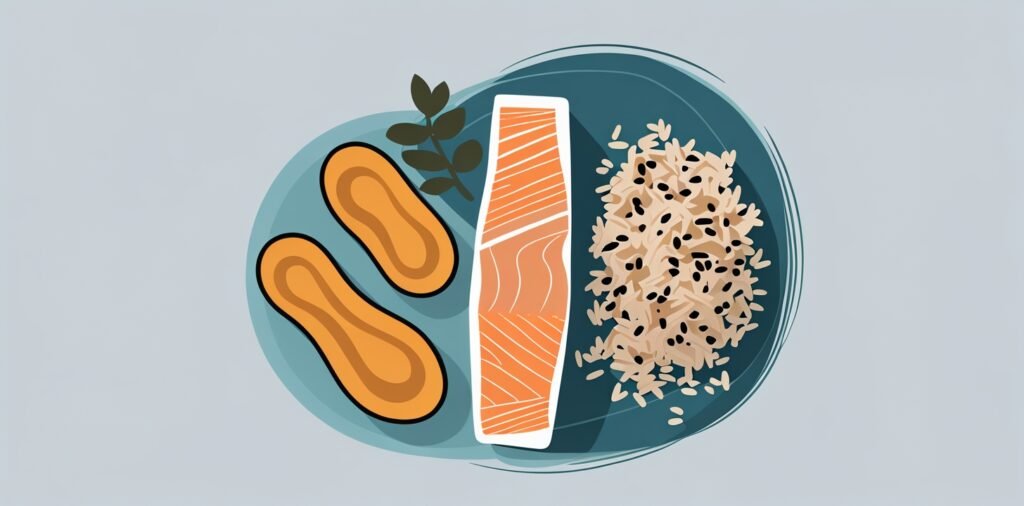
The first ingredient should be a named whole meat (deboned chicken, beef, lamb, fish) or a named meat meal (chicken meal, lamb meal, salmon meal). Meat meals are concentrated protein sources with moisture removed. Chicken meal delivers about 65% protein; deboned chicken delivers about 18% due to water content. Both are valuable, but meal provides more protein per pound of food.
Avoid generic terms like “meat meal,” “poultry meal,” or “animal by-product meal.” You don’t know what species you’re feeding.
For Rottweilers, aim for 22-26% crude protein from animal sources. Plant proteins (pea protein, potato protein) don’t provide complete amino acid profiles and often indicate a formula cutting costs on meat.
Fat Sources
Look for fish oil, salmon oil, or named animal fats (chicken fat, beef fat) in the ingredient list. These deliver EPA and DHA for joint and heart health. Target 0.5-1% EPA/DHA on a dry matter basis, which translates to roughly 1,500-2,000 mg/day for a 100-pound Rottweiler.
Avoid formulas where fats or oils appear in the top four ingredients. This increases bloat risk by slowing gastric emptying.
Plant oils (canola, sunflower, flaxseed) provide omega-6 fatty acids but minimal usable omega-3s. They’re fine as secondary fat sources but shouldn’t be the primary source.
Carbohydrates
Complex carbohydrates like brown rice, sweet potato, oatmeal, and barley provide steady energy and fiber for digestion. Keep total carbohydrate content below 40% on a dry matter basis (calculate by subtracting protein, fat, fiber, moisture, and ash from 100%).
Avoid corn, wheat, and soy as primary carbohydrates if your Rottweiler shows any sensitivity symptoms. These are common allergens and offer less nutritional value than whole grains or starchy vegetables.
Joint and Heart Supplements
Check the guaranteed analysis or ingredient list for:
- Glucosamine hydrochloride or glucosamine sulfate
- Chondroitin sulfate
- Green-lipped mussel (natural source of glucosamine and omega-3s)
- Taurine (should be listed separately, not just assumed from meat content)
- L-carnitine
If these aren’t included in the food, you’ll need to supplement separately. Factor that cost into your budget.
What to Avoid
Ingredients That Increase Health Risks for Rottweilers
- Corn, wheat, soy in the top five ingredients: Common allergens with lower nutritional value than meat or whole grains
- Citric acid: Causes 3-4x gas expansion when kibble is moistened, increasing bloat risk
- Fats or oils in the top four ingredients: Delays gastric emptying, increasing bloat risk
- Excess calcium (>1.5%) in puppy formulas: Accelerates skeletal growth, exacerbating hip dysplasia
- Generic meat terms (meat meal, animal fat, poultry by-product): Unknown protein sources of questionable quality
- Artificial preservatives (BHA, BHT, ethoxyquin): Linked to health issues; natural preservatives (mixed tocopherols, vitamin E) are safer
- Grain-free formulas without AAFCO feeding trials: Potential DCM risk from legume-heavy recipes
Feeding Guide by Life Stage
| Life Stage | Daily Calories | Cups per Day (approx.) | Meals per Day | Key Considerations |
|---|---|---|---|---|
| Puppy (2-4 months) | 1,790-2,630 kcal (based on expected adult weight 85-135 lbs) | 4-6 cups (varies by formula) | 3-4 meals | Controlled-growth formula with Ca 1.0-1.3%, Ca:P 1:1-1.3:1; avoid rapid weight gain |
| Puppy (4-12 months) | 2,000-3,000 kcal | 5-7 cups | 2-3 meals | Monitor growth rate; transition to 2 meals by 6 months; maintain lean body condition |
| Adolescent (12-18 months) | 2,200-3,200 kcal | 5-8 cups | 2 meals | Transition to adult formula at 12-18 months; continue joint support |
| Adult (18 months-7 years) | 1,920-2,400 kcal (moderate activity, 100 lb dog) | 4-6 cups | 2 meals | Adjust for activity level; increase 20% for high exercise; maintain BCS 4-5/9 |
| Senior (7+ years) | 1,800-2,400 kcal (reduce 10-20% from adult) | 4-5 cups | 2 meals | Enhanced glucosamine/EPA; taurine/L-carnitine for heart; monitor for arthritis and cardiac issues |
Caloric needs vary based on individual metabolism, activity level, and neuter status. These ranges assume moderate activity (daily walks, occasional play). Increase calories by 20% for high-activity dogs (regular running, agility training). Decrease by 10-20% for low-activity or overweight dogs.
Cup measurements are approximations. Kibble caloric density varies from 300-450 kcal per cup. Always check the feeding guide on your specific food and adjust based on body condition.
Rottweiler puppies should grow slowly. If your 6-month-old puppy is already 80 pounds, you’re pushing growth too fast. Aim for steady, controlled weight gain that reaches adult size by 18-24 months, not 12 months.
Top Food Recommendations for Rottweilers
Best Overall: Royal Canin Rottweiler Adult
Protein: 24% | Fat: 14% | Price: ~$93 per 30 lb bag (~$3.10/lb)
This is the only formula specifically designed for Rottweilers. It includes taurine, EPA/DHA, L-carnitine, and glucosamine at levels targeting the breed’s heart and joint vulnerabilities. The kibble shape is designed for Rottweiler jaw structure and encourages chewing, which slows eating and reduces bloat risk.
Royal Canin conducts AAFCO feeding trials, not just formulation compliance. That means real Rottweilers ate this food for months while researchers monitored health markers. It’s expensive, but you’re paying for breed-specific research and quality control from a WSAVA-compliant manufacturer.
Pros: Breed-tailored nutrient profile, proven through feeding trials, includes all critical supplements
Cons: Premium price point, some owners object to chicken by-product meal (though it’s a quality protein source)
Best Budget: Blue Buffalo Life Protection Large Breed Adult
Protein: 24% | Fat: 13% | Price: ~$50 per 30 lb bag (~$1.67/lb)
Deboned chicken as the first ingredient, followed by chicken meal. Includes glucosamine and chondroitin for joint support and DHA from fish oil. The protein and fat percentages align with Rottweiler needs without excess calories.
Blue Buffalo isn’t WSAVA-compliant (they don’t employ full-time veterinary nutritionists), but this formula meets AAFCO standards through formulation. It’s a solid mid-tier option if Royal Canin’s price is prohibitive.
Pros: Affordable joint support, appropriate macronutrient profile, widely available
Cons: Chicken as primary protein (problematic if your dog has chicken sensitivity), not breed-specific
Best for Puppies: Purina Pro Plan Large Breed Puppy

Protein: 28% | Fat: 13% | Price: ~$55 per 34 lb bag (~$1.62/lb)
Controlled calcium at 1.1% and phosphorus at 0.9% (Ca:P ratio 1.22:1) for safe skeletal development. Includes DHA from fish oil for brain and vision development. Chicken is the first ingredient, with rice and oatmeal as digestible carbohydrates.
Purina is WSAVA-compliant with extensive feeding trial data. This formula is designed specifically for large breed puppies, addressing the controlled-growth needs that prevent joint problems.
Pros: Controlled calcium/phosphorus, DHA for development, WSAVA-compliant manufacturer, affordable
Cons: Contains chicken (sensitivity risk), some owners prefer grain-free (though that’s not recommended for Rottweilers)
Best for Seniors: Hill’s Science Diet Large Breed Senior

Protein: 19.4% | Fat: 12.4% | Price: ~$60 per 35 lb bag (~$1.71/lb)
Lower protein and fat for reduced caloric density in less-active seniors. Includes glucosamine and chondroitin for arthritis management and L-carnitine for heart health and fat metabolism. Added antioxidants (vitamins E and C) support cognitive function.
Hill’s is WSAVA-compliant with veterinary nutritionists on staff. This formula undergoes feeding trials and is frequently recommended by veterinarians for senior large breeds.
Pros: Appropriate for reduced activity, joint and heart support, cognitive antioxidants, veterinary-trusted brand
Cons: Lower protein may not suit highly active seniors, contains chicken
Best for Sensitive Stomachs: Wellness CORE Large Breed
Protein: 34% | Fat: 12% | Price: ~$70 per 26 lb bag (~$2.69/lb)
Deboned turkey and turkey meal as primary proteins (novel for dogs who’ve eaten primarily chicken and beef). Grain-free formula uses potatoes and peas as carbohydrates. Includes probiotics for digestive health, glucosamine, and chondroitin.
Warning: This is a grain-free formula. Given the DCM concerns, only choose this if your Rottweiler has confirmed grain allergies diagnosed by a veterinarian. Verify it includes supplemental taurine (it does, at 0.15% minimum).
Pros: Novel protein for allergies, high protein for active dogs, includes probiotics and joint support
Cons: Grain-free (DCM risk), high protein may be excessive for moderate-activity Rottweilers, premium price
How to Read a Dog Food Label for Rottweilers
The guaranteed analysis shows minimum protein and fat, maximum fiber and moisture. These are “as fed” percentages, meaning they include water content. To compare foods accurately, convert to dry matter basis:
- Subtract moisture percentage from 100 (e.g., 10% moisture = 90% dry matter)
- Divide the nutrient percentage by the dry matter percentage
- Multiply by 100
Example: A food lists 24% protein and 10% moisture.
Dry matter = 100 – 10 = 90%
Protein on dry matter basis = (24 ÷ 90) × 100 = 26.7%
This matters when comparing kibble (10% moisture) to wet food (78% moisture). The wet food might list 8% protein, but on a dry matter basis, it’s actually 36% protein.
AAFCO Statement
Look for one of two statements:
- “[Product] is formulated to meet the nutritional levels established by the AAFCO Dog Food Nutrient Profiles.” This means the recipe meets minimum nutrient requirements on paper.
- “Animal feeding tests using AAFCO procedures substantiate that [Product] provides complete and balanced nutrition.” This means real dogs ate the food in controlled trials. It’s the gold standard.
For Rottweilers, prioritize foods with feeding trial statements, especially for puppies. Formulation alone doesn’t prove nutrients are bioavailable or that the food supports long-term health.
Ingredient List Red Flags
- Corn, wheat, or soy in the top five ingredients: Indicates a grain-heavy formula with less meat protein
- Generic terms (meat meal, animal fat, poultry by-product): Unknown protein sources
- Citric acid: Bloat risk when kibble is moistened
- Multiple pea/legume ingredients (peas, pea protein, lentils, chickpeas): Potential DCM risk
- Artificial colors (Red 40, Blue 2, Yellow 5): Serve no nutritional purpose; dogs don’t care about kibble color
Common Feeding Mistakes for Rottweilers
MISTAKE: Free-Feeding
Leaving food available all day allows Rottweilers to overeat, leading to obesity and increased bloat risk from large, uncontrolled meals.
CORRECT: Measured Meals
Feed 2 meals daily at set times using a measuring cup. Remove uneaten food after 20 minutes. This controls caloric intake and reduces bloat risk.
MISTAKE: Elevated Food Bowls
Despite persistent myths, elevated bowls increase bloat risk in large, deep-chested breeds by changing the angle of swallowing and increasing air intake.
CORRECT: Floor-Level Bowls
Feed from bowls placed on the floor. Use slow-feeder designs or puzzle bowls if your Rottweiler eats too quickly.
MISTAKE: Ignoring Life Stage
Feeding adult food to puppies deprives them of critical nutrients for growth. Feeding puppy food to adults delivers excess calories and calcium.
CORRECT: Life Stage Formulas
Use large breed puppy formula until 12-18 months, then transition to adult. Switch to senior formula at 7 years to reduce calories and enhance joint support.