


You flip over a bag of dog food, scan the ingredient list, and see “chicken, brown rice, chicken meal, peas” at the top.
Looks good, right?
But what if that same bag also lists corn gluten meal, ground corn, corn bran, and corn germ further down? Suddenly, corn might be the primary ingredient, just cleverly disguised.
Learning dog food ingredient analysis isn’t about memorizing “good” and “bad” ingredients. It’s about understanding the regulatory loopholes, processing methods, and marketing tactics that determine whether your dog is eating quality nutrition or expensive filler.
Dog Food Ingredient Analysis: Quick Facts
AAFCO (Association of American Feed Control Officials)
Listed by pre-cooking weight (includes moisture)
First 5-7 ingredients comprise bulk of formula
Understanding Dog Food Ingredient Lists: The Basics
The Association of American Feed Control Officials (AAFCO) sets ingredient naming standards and nutritional guidelines for pet food sold in the United States.

These regulations require manufacturers to list ingredients in descending order by weight, which sounds straightforward until you realize weight includes moisture content. A fresh chicken breast is roughly 70% water, while chicken meal contains only about 10% moisture.
The ingredient list shows what went into the kibble before processing, measured on an “as-fed” basis. That first ingredient of “deboned chicken” might drop to fourth or fifth place once you account for water loss during cooking. Meanwhile, chicken meal, already concentrated, maintains its position and often delivers more actual protein per pound of finished food.
How Ingredients Are Listed and Why Order Matters
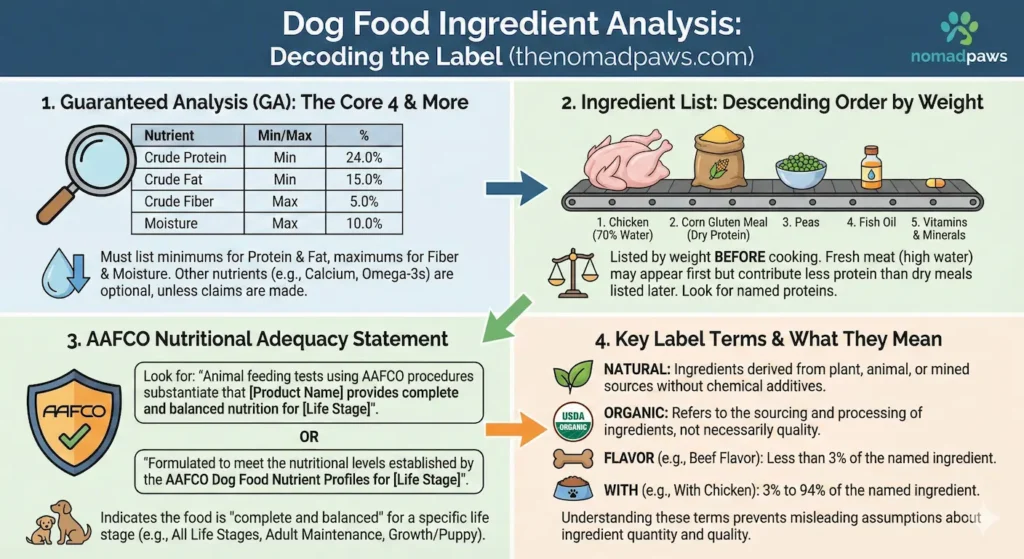
Ingredients appear in order of pre-cooking weight, which means moisture-heavy ingredients get an artificial boost toward the top of the list. A food listing “chicken, brown rice, chicken meal” might actually contain more chicken meal than fresh chicken once you remove the water.
The first five to seven ingredients typically make up the bulk of the formula. A dry kibble might list sweet potatoes prominently, but those sweet potatoes lose 75% of their weight during dehydration. The guaranteed analysis on the label shows minimums and maximums for protein, fat, fiber, and moisture, but these percentages don’t reveal ingredient quality or digestibility.
Ingredient Splitting: The Hidden Manipulation Tactic
Ingredient splitting is a legal practice where manufacturers divide single ingredients into multiple entries to manipulate their position on ingredient lists. Instead of listing “corn” as the second ingredient, a manufacturer might use ground corn, corn gluten meal, corn bran, and corn germ separately. Each individual corn fraction appears lower on the list, making it seem like meat is the dominant ingredient when corn derivatives combined might actually outweigh the protein source.
You’ll see this with wheat (wheat flour, wheat middlings, wheat germ), rice (rice, rice bran, brewers rice), and increasingly with peas (peas, pea protein, pea fiber, pea starch). The practice isn’t illegal, but it obscures the true composition of the food.
Protein Sources: Decoding Quality and Processing
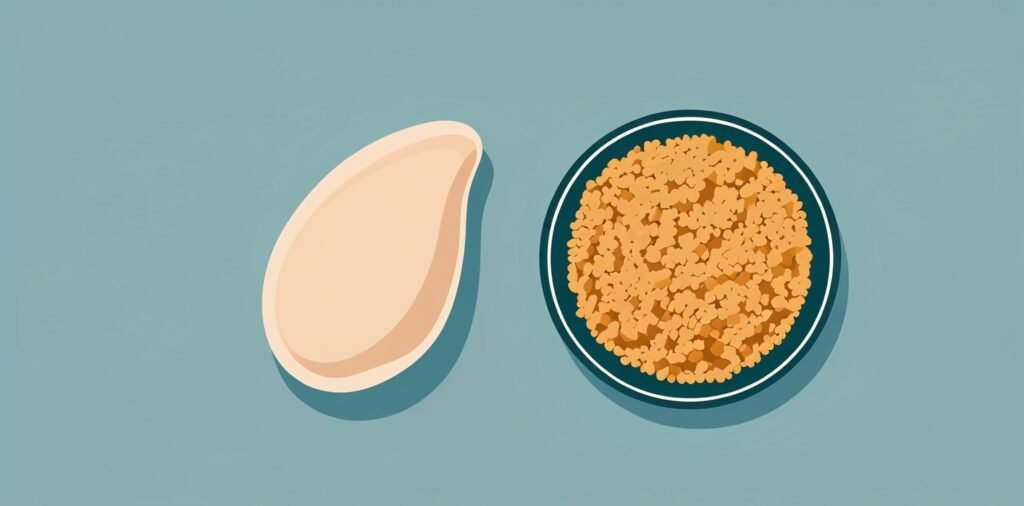
Protein quality in dog food depends on three factors: the source animal or plant, the specific parts used, and how those parts were processed. A food listing “chicken” as the first ingredient tells you almost nothing about whether that chicken came from muscle meat, frames, or a mixture of various parts.
Named protein sources (chicken, beef, salmon) are always preferable to generic terms (poultry, meat, fish). “Poultry meal” could contain chicken, turkey, duck, or a rotating mixture depending on what’s cheapest that week. This inconsistency can trigger digestive issues in sensitive dogs and makes it impossible to identify specific protein allergies.
Whole Meat vs Meat Meal: What’s Actually Better
Whole Meat (Fresh Chicken)
- Contains ~70% water
- Only ~18% protein
- Drops in ingredient order after cooking
- Better palatability
- Some amino acids survive processing better
Meat Meal (Chicken Meal)
- Contains ~10% moisture
- Roughly 65% protein
- Maintains position after cooking
- Concentrated, stable protein
- More protein per pound of finished food
Meat meals are rendered products, meaning they’ve been cooked at high temperatures to remove moisture and fat. This process concentrates the protein but can reduce the bioavailability of some amino acids depending on temperature and duration. Quality manufacturers use gentle rendering processes that preserve nutritional value, but you can’t determine processing methods from the ingredient list alone.
The best formulas often include both whole meat and meat meal. The whole meat provides palatability and some amino acids that survive processing better in fresh form, while the meal delivers concentrated, stable protein.
By-Products Explained: Not All Are Created Equal

By-products are organ meats and other parts excluding muscle meat. The term carries an unfairly negative reputation. Chicken by-products can include nutrient-dense organs like liver, heart, and kidneys that wild canines would naturally consume first from prey. These organs often contain higher concentrations of vitamins and minerals than muscle meat.
The problem with by-products isn’t nutritional value but consistency and transparency. “Chicken by-product meal” has a clear definition: rendered parts of chicken excluding feathers, heads, feet, and intestines. However, “poultry by-product meal” could contain any combination of chicken, turkey, or other poultry, with composition varying batch to batch.
Plant-Based Proteins: Peas, Lentils, and Protein Concentrates
Pea protein, lentils, and chickpeas have surged in popularity, particularly in grain-free formulas. These ingredients boost protein percentages on the guaranteed analysis, but they don’t provide complete amino acid profiles for dogs. Plant proteins lack adequate levels of certain essential amino acids like taurine, which dogs need for heart health.
The FDA’s investigation into dilated cardiomyopathy (DCM) in dogs found a potential link between grain-free diets high in peas, lentils, and potatoes and heart disease in breeds not typically prone to DCM. The connection isn’t fully understood, but it may relate to how these ingredients interfere with taurine absorption or synthesis.
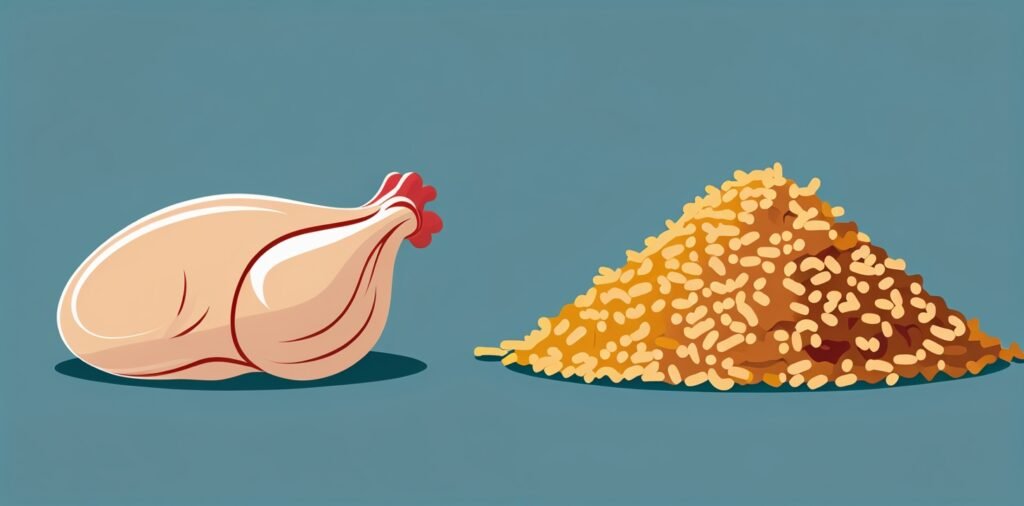
Pea protein concentrate and potato protein appear frequently in grain-free foods as cheap protein boosters. These isolated proteins lack the fiber, vitamins, and minerals found in whole peas or potatoes. A food listing chicken, pea protein, chicken meal, and potato protein might contain more plant protein than animal protein despite the chicken appearing first.
Carbohydrate Sources and Grain-Free Concerns
Carbohydrates provide energy, fiber, and in some cases, essential nutrients that support digestive health. The grain-free movement positioned grains as harmful fillers, but traditional grains like rice, oats, and barley are highly digestible for most dogs and provide steady energy without the blood sugar spikes associated with some grain-free alternatives.
The quality and processing of carbohydrates matter more than whether they come from grains or alternatives. Whole grains retain the bran and germ, providing fiber, B vitamins, and minerals. Refined grains like white rice or wheat flour have been stripped of these nutrients.
Traditional Grains vs Alternative Carbs
Brown rice, oatmeal, and barley rank among the most digestible carbohydrates for dogs, with glycemic indexes that prevent rapid blood sugar fluctuations. These grains provide soluble fiber that supports gut health and helps dogs feel satisfied without excessive calories. Despite marketing claims, grain allergies are relatively rare in dogs. Protein sources like beef, dairy, and chicken trigger allergies far more frequently than grains.
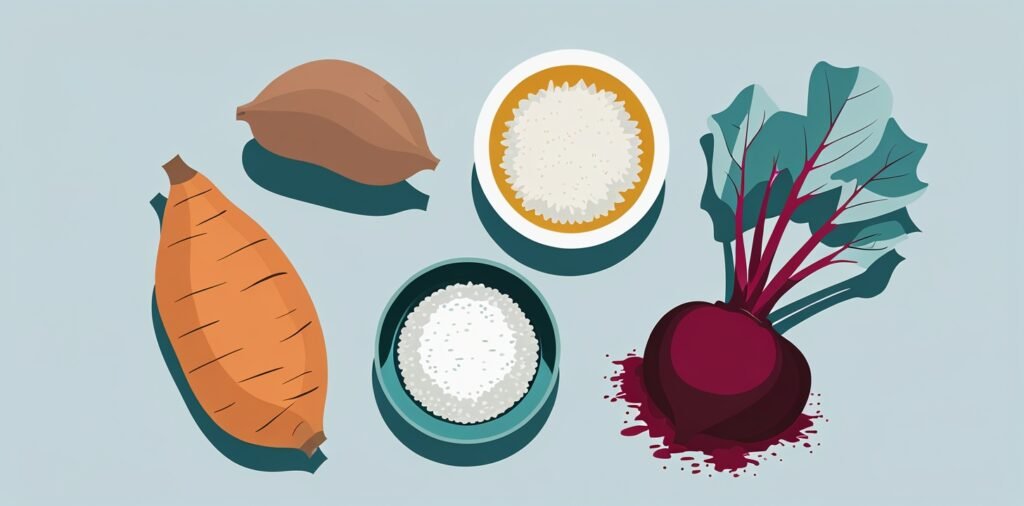
Alternative carbohydrates like sweet potatoes, peas, and lentils became popular in grain-free formulas. Sweet potatoes offer excellent nutrition when used as whole ingredients, providing beta-carotene, fiber, and vitamins. However, many grain-free foods rely on pea starch, potato starch, and tapioca, which are refined carbohydrates with minimal nutritional value beyond calories.
The Grain-Free Debate: What Science Actually Says
The FDA Center for Veterinary Medicine began investigating a potential connection between grain-free diets and dilated cardiomyopathy in dogs in 2018. The majority of reported cases involved foods with peas, lentils, chickpeas, or potatoes as primary ingredients.
The mechanism isn’t fully understood. Some researchers suspect these ingredients interfere with taurine metabolism or absorption. Others point to the displacement of meat-based proteins with plant proteins that lack complete amino acid profiles. What’s clear is that grain-free doesn’t mean healthier, and the FDA continues to recommend caution with diets heavily reliant on legumes and potatoes.
For most dogs without diagnosed grain allergies, traditional grain-inclusive formulas provide balanced nutrition without the DCM risk associated with some grain-free alternatives. If you prefer grain-free feeding, choose formulas where named meat sources dominate the ingredient list and legumes appear sparingly.
Fats and Oils: Quality Indicators and Red Flags
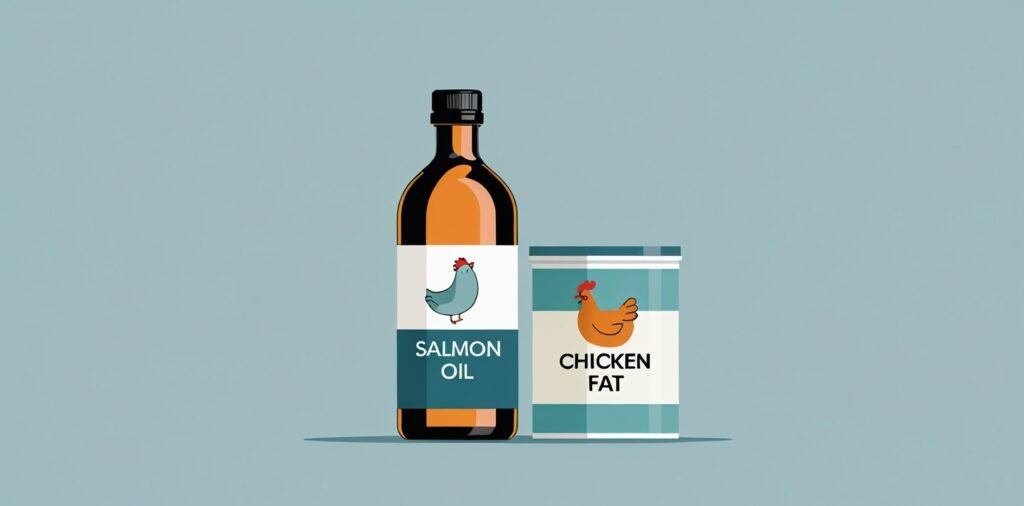
Fat provides essential fatty acids, supports nutrient absorption, and makes food palatable. The quality and specificity of fat sources reveal a manufacturer’s commitment to consistency and transparency. “Chicken fat preserved with mixed tocopherols” tells you exactly what you’re getting. “Poultry fat” or “animal fat” could contain anything from chicken to turkey to mystery meats, varying batch to batch.
Named fat sources indicate better quality control and allow you to identify potential allergens. Generic fats also suggest the manufacturer prioritizes cost over consistency, switching between fat sources based on commodity prices.
Identifying Quality Fat Sources
Chicken fat, salmon oil, and flaxseed oil are specific, named sources that indicate quality manufacturing. These fats provide omega-6 and omega-3 fatty acids in ratios that support skin health, coat quality, and immune function. Fish oil specifically provides EPA and DHA, omega-3 fatty acids that reduce inflammation and support cognitive function, particularly important for puppies and senior dogs.
The preservation method matters as much as the source. Fats oxidize rapidly when exposed to air, turning rancid and losing nutritional value. Natural preservatives like mixed tocopherols (vitamin E) and rosemary extract protect fats from oxidation, though they’re less effective than synthetic preservatives like BHA or BHT. Quality foods use natural preservatives and recommend consuming the food within a few weeks of opening to prevent rancidity.
Red Flags in Fat Sources
- Animal fat: Unspecified source, inconsistent nutrition, potential allergen exposure
- Poultry fat: Could be chicken, turkey, or any combination, varies batch to batch
- Generic oils: “Vegetable oil” without specifying which vegetables
- Rancid indicators: Food smells off, dog refuses to eat after bag has been open several weeks
Preservatives and Additives: Natural vs Synthetic
Preservatives prevent bacterial growth, mold, and fat oxidation, making them essential for shelf-stable dog food. Natural preservatives like tocopherols (vitamin E) and ascorbic acid (vitamin C) are generally recognized as safe but provide shorter shelf life. Synthetic preservatives like BHA, BHT, and ethoxyquin last longer but carry health concerns.
The FDA regulates preservative use in pet food, setting maximum allowable levels based on safety studies. However, some preservatives approved for pet food have been banned or restricted in human food due to potential health risks.
Natural Preservatives: Are They Really Better?
Mixed tocopherols, rosemary extract, and citric acid preserve dog food without the health concerns associated with synthetic alternatives. These natural antioxidants prevent fat oxidation and extend shelf life, though not as effectively as synthetic preservatives. A naturally preserved food might stay fresh for 12 months versus 18-24 months for synthetically preserved food.
The shorter shelf life of naturally preserved foods requires more careful storage. Once opened, these foods should be consumed within 4-6 weeks and stored in airtight containers away from heat and light.
Artificial Colors and Flavors: Necessary or Marketing?
Artificial colors serve no nutritional purpose in dog food. Dogs don’t care whether their kibble is brown, red, or green. These dyes exist purely for human appeal, making food look more like “real” meat or vegetables. Some artificial colors, particularly Red 40, Yellow 5, and Blue 2, have been linked to hyperactivity and allergic reactions in sensitive dogs.
The FDA approves specific artificial colors for pet food use, but approval doesn’t mean optimal health. Many European countries ban certain dyes approved in the United States due to safety concerns. Quality dog foods avoid artificial colors entirely.
Artificial flavors appear in some foods to mask the taste of poor-quality ingredients or make food more palatable. “Natural flavors” sounds better but remains vague. This term can describe anything from chicken broth to hydrolyzed proteins to unnamed flavor compounds. Truly quality foods don’t need flavor enhancers because real meat, fat, and whole ingredients provide natural palatability.
Red Flag Ingredients to Avoid

Certain ingredients signal poor quality, potential health risks, or manufacturing practices that prioritize cost over nutrition.
Generic Meat Sources
- Meat meal: Could contain beef, pork, lamb, or mixture, composition varies
- Meat and bone meal: Unspecified animals, inconsistent quality
- Animal fat: Unknown source, changes batch to batch
- Poultry by-product meal: Any combination of chicken, turkey, or other poultry
Protein Boosters and Fillers
- Corn gluten meal: Inflates protein percentage without complete amino acids
- Wheat gluten: Processing byproduct, minimal nutritional value
- Cellulose (wood pulp): Cheap fiber with no digestive benefits
- Peanut hulls: Filler material masquerading as fiber
Unnecessary Additives
- Propylene glycol: Texture maintainer in semi-moist foods, no nutritional purpose
- MSG: Flavor enhancer indicating poor ingredient palatability
- Artificial colors: Red 40, Yellow 5, Blue 2 serve only human appeal
Controversial Preservatives and Their Health Impacts
BHA (butylated hydroxyanisole) and BHT (butylated hydroxytoluene) are synthetic antioxidants that prevent fat rancidity. The National Toxicology Program has identified BHA as reasonably anticipated to be a human carcinogen based on animal studies. While the FDA still permits these preservatives in pet food at specific levels, many manufacturers have voluntarily removed them due to health concerns.
Ethoxyquin, originally developed as a rubber stabilizer, was widely used in pet food until the 1990s when health concerns emerged. Studies linked ethoxyquin to liver and kidney damage in dogs. The FDA reduced allowable levels and most manufacturers eliminated it entirely, though it still appears in some fish meals used as ingredients.
Vague Ingredient Names That Hide Poor Quality
Ingredient vagueness correlates directly with quality concerns. “Meat meal” could contain beef, pork, lamb, or a mixture, with composition changing based on commodity prices. This inconsistency can trigger digestive issues and makes allergen identification impossible. “Animal digest” is a flavor enhancer made from chemically or enzymatically broken-down animal tissue, but you don’t know which animals or which parts.
“Poultry meal” sounds better than “meat meal” but remains problematic. It could contain chicken, turkey, duck, goose, or any combination thereof. “Fish meal” might include salmon, whitefish, menhaden, or whatever fish is cheapest.
Even seemingly specific terms can hide quality issues. “Chicken by-product meal” is better than “poultry by-product meal,” but you still don’t know whether it contains primarily nutritious organs or lower-value parts. The best foods specify not just the protein source but the form: “deboned chicken,” “chicken meal,” “chicken liver,” “chicken heart.”
Reading Between the Lines: Marketing vs Reality
Pet food marketing exploits regulatory loopholes and consumer psychology to make low-quality foods appear premium. Terms like “natural,” “holistic,” and “premium” sound impressive but have no legal definitions in pet food. Any manufacturer can slap these words on a bag regardless of ingredient quality.
“Human-grade” ingredients sound superior, but this claim is largely unverifiable. For food to be truly human-grade, it must be processed in human food facilities following human food safety regulations. Most pet food manufacturers don’t meet these standards.
Premium Ingredient Claims: What They Really Mean
Common Marketing Terms Decoded
No regulatory definition. Pure marketing term that can be used on any food regardless of ingredient quality.
Not defined by AAFCO. Manufacturers use it freely without meeting any specific standards.
Loosely defined as ingredients from plant, animal, or mineral sources. Permits synthetic vitamins and minerals. Loopholes allow synthetic preservatives added to ingredients before mixing.
Requires processing in human food facilities following human food safety regulations. Most manufacturers don’t meet these standards despite using the term.
Guaranteed Analysis vs Actual Nutrition
The guaranteed analysis shows minimum percentages for crude protein and crude fat, and maximum percentages for crude fiber and moisture. These numbers tell you quantity but not quality. A food with 30% crude protein could derive that protein from chicken and fish or from corn gluten meal and feather meal.
“Crude” protein measures total nitrogen content, not actual protein digestibility. Some nitrogen comes from non-protein sources or proteins that dogs can’t effectively digest. The guaranteed analysis also doesn’t reveal amino acid profiles, which determine whether the protein provides complete nutrition.
The maximum fiber percentage similarly obscures quality. Fiber from beet pulp, whole vegetables, or whole grains supports digestive health. Fiber from cellulose (wood pulp) or peanut hulls is cheap filler. The guaranteed analysis treats all fiber equally, requiring you to examine the ingredient list to understand what you’re actually getting.
Practical Steps for Analyzing Any Dog Food
- Examine the first seven ingredients (they comprise the bulk of the formula)
- Verify at least two named protein sources appear in top positions (chicken, beef, salmon, not poultry or meat)
- Check for ingredient splitting (multiple forms of same grain, legume, or starch)
- Confirm fats are specifically named (chicken fat, salmon oil, not animal fat)
- Check preservation method (prefer mixed tocopherols or rosemary extract over BHA, BHT, ethoxyquin)
- Locate the AAFCO nutritional adequacy statement for your dog’s life stage
- Research manufacturer’s sourcing and quality control transparency
- Compare guaranteed analysis to ingredient list for protein source quality
- Calculate carbohydrate percentage (100 minus protein, fat, fiber, moisture, ash)
Transparent companies publish information about ingredient origins, processing methods, and quality testing. They’ll tell you where their chicken comes from, how their meals are rendered, and what safety protocols they follow. Companies hiding behind vague marketing claims without substantive transparency raise red flags.
If a food claims 32% protein but lists corn gluten meal, pea protein, and potato protein prominently, that protein isn’t coming from quality animal sources. High carbohydrate percentages (over 45-50%) suggest excessive filler.
When to Consult a Veterinary Nutritionist
Dog food ingredient analysis helps you make informed choices, but it can’t replace professional guidance for dogs with specific health conditions. Dogs with kidney disease, liver problems, diabetes, or food allergies need carefully formulated diets that balance multiple nutritional factors beyond ingredient quality. A board-certified veterinary nutritionist can create custom feeding plans or recommend therapeutic diets appropriate for your dog’s condition.
Puppies, pregnant or nursing dogs, and senior dogs have different nutritional requirements that may not be obvious from ingredient lists alone. Large breed puppies need controlled calcium and phosphorus levels to prevent developmental orthopedic disease. Senior dogs often benefit from adjusted protein levels and added joint support.
If you’re considering a homemade diet, consultation with a veterinary nutritionist is essential. Homemade diets offer complete ingredient control but risk nutritional deficiencies if not properly formulated. Nutritionists can design balanced recipes that meet AAFCO standards while accommodating your dog’s specific needs and your ingredient preferences.
Frequently Asked Questions
What ingredients should I absolutely avoid in dog food?
Avoid BHA, BHT, and ethoxyquin preservatives, generic meat sources like “meat meal” or “animal fat,” artificial colors, and foods where corn, wheat, or soy derivatives appear multiple times through ingredient splitting. Propylene glycol and cellulose offer no nutritional value and indicate cost-cutting.
Is chicken meal better than chicken in dog food?
Chicken meal contains more concentrated protein since water has been removed (about 65% protein versus 18% in fresh chicken). However, fresh chicken provides more transparency about source quality and some amino acids survive processing better in fresh form. The best foods often include both.
How can I tell if a dog food has quality ingredients?
Look for named, specific protein sources (chicken, not poultry), named fat sources (chicken fat, not animal fat), natural preservatives, and minimal ingredient splitting. Quality manufacturers provide transparency about sourcing and processing methods beyond what’s required on labels.
Are grain-free dog foods healthier?
Not necessarily. The FDA’s investigation found potential links between grain-free diets high in peas, lentils, and potatoes and dilated cardiomyopathy in dogs. Traditional grains like rice, oats, and barley are generally safe, digestible, and nutritious for most dogs. Grain allergies are relatively rare.
What does by-product mean in dog food?
By-products are organ meats and parts excluding muscle meat. Some by-products like liver, heart, and kidneys are highly nutritious and naturally consumed by wild canines. The concern is consistency and transparency, particularly with vague terms like “poultry by-product meal” that could contain varying ingredients batch to batch.
How do I know if dog food ingredients are high quality?
Check for specific named sources rather than generic terms, verify the manufacturer provides sourcing transparency, look for minimal processing (whole ingredients rather than isolated proteins or starches), and confirm natural preservation methods. Research the company’s quality control and recall history.
Are natural preservatives better than artificial ones?
Natural preservatives like mixed tocopherols and rosemary extract are generally safer based on current research, though they’re less effective than synthetic options and result in shorter shelf life. Given the availability of naturally preserved alternatives, avoiding BHA, BHT, and ethoxyquin is a reasonable precaution for long-term health.
This article is for informational purposes only and does not replace professional veterinary advice. Consult with your veterinarian or a board-certified veterinary nutritionist before making significant changes to your dog’s diet, particularly if your dog has health conditions, allergies, or special nutritional needs.