

Does flying hurt dog ears? Yes, it can. Air pressure changes during takeoff and landing cause real discomfort for dogs, and their ear anatomy makes them more vulnerable to it than we are. Wondering if dogs need ear protection when flying, or how to help your dog’s ears on a plane? You’re in the right place.
I’ve dug into the veterinary research and talked to enough traveling pet owners to give you straight answers. Here’s what actually happens to your dog’s ears at altitude, which breeds are most at risk, and the practical steps you can take to keep your dog comfortable from gate to gate.
The Canine Ear: A Sensitive Instrument
Dogs’ Eustachian tubes are smaller and more horizontal than humans’, which makes pressure equalization during flights significantly harder. This anatomical difference is the root cause of most in-flight ear discomfort in dogs.
Before we get into what happens during a flight, it helps to understand why dogs are more susceptible in the first place. Dogs can detect sounds at much higher frequencies than humans, and their ear structures are built for that sensitivity. That’s great for hearing a treat bag open from three rooms away, but it also means pressure shifts hit them harder.

The Eustachian tube connects the middle ear to the back of the throat and helps regulate air pressure on both sides of the eardrum. In dogs, this tube is narrower and angled differently than in humans, making it more prone to blockage. When the tube can’t open properly, pressure builds up, and that’s when pain starts. This is often called “airplane ear” in dogs, and in severe cases, blockage can lead to barotrauma, a painful pressure injury to the ear.
Key Takeaway: Dogs’ Eustachian tubes are narrower and more horizontal than humans’, making them more prone to painful pressure buildup during altitude changes.
Breed-Specific Risks for Ear Pressure
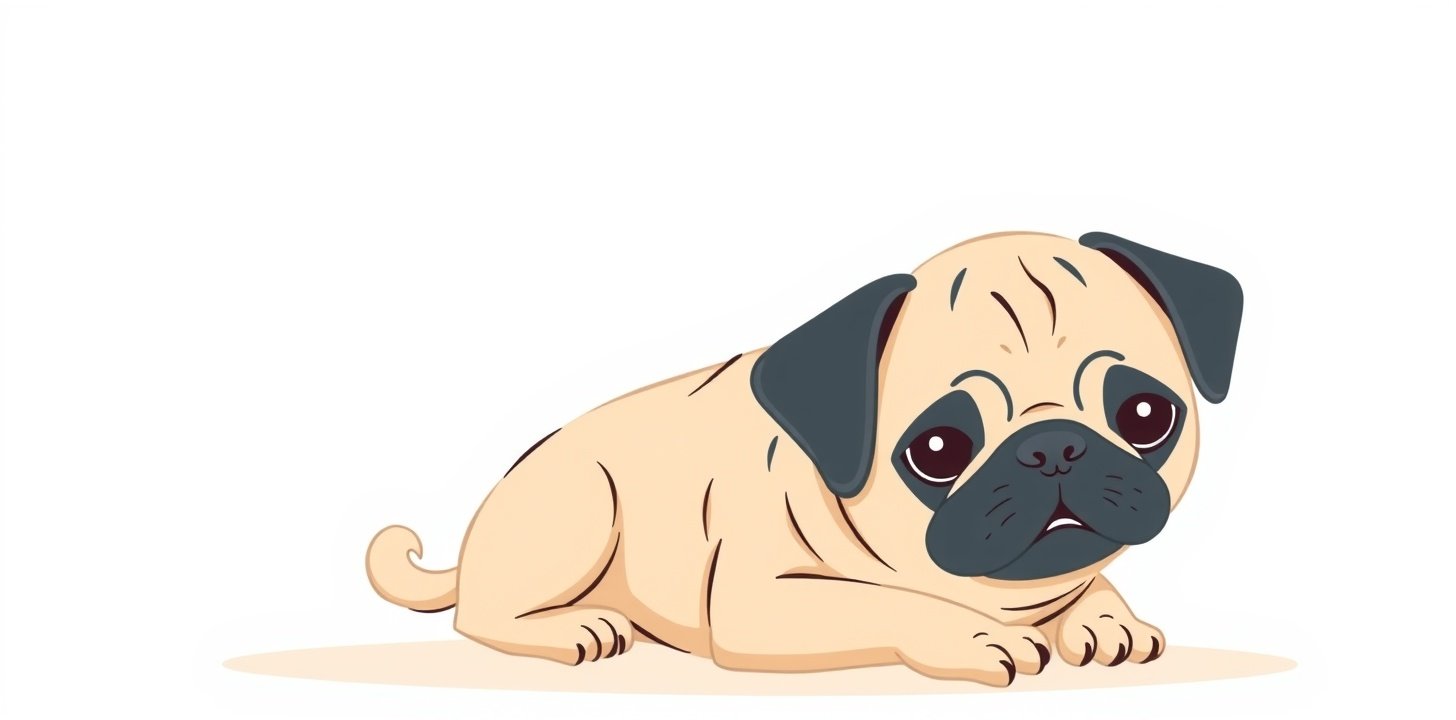
Not all dogs face the same level of risk. Brachycephalic breeds (flat-faced dogs like Pugs, Bulldogs, French Bulldogs, Boston Terriers, and Shih Tzus) have compressed airways and even shorter, more constricted Eustachian tubes. This anatomy makes pressure equalization during ascent and descent significantly more difficult for them.
If you have a brachycephalic breed, talk to your vet before booking any flight. Some vets will recommend against air travel entirely for these dogs, particularly on longer flights or routes with multiple takeoffs and landings. Even breeds that aren’t flat-faced but have a history of ear infections or chronic ear issues deserve a pre-flight vet evaluation, since any existing inflammation can narrow the Eustachian tube further.
Warning: Brachycephalic breeds like Pugs and Bulldogs have compressed Eustachian tubes that make in-flight ear pain more likely. Always consult your vet before flying with a flat-faced dog.
Do Dogs’ Ears Hurt on Planes? Air Pressure Explained
Yes, airplane pressure can hurt dog ears. As the plane ascends or descends, rapid air pressure changes cause the eardrum to expand or contract, leading to pain or discomfort. This is the same mechanism behind “ears popping” in humans, but dogs have a harder time relieving it.
Here’s what’s happening mechanically. During takeoff, cabin pressure drops as the plane climbs. The air trapped in the middle ear expands, pushing the eardrum outward. During descent, the opposite occurs: cabin pressure increases, and the eardrum gets pushed inward. In both cases, the Eustachian tube needs to open to let air pass through and equalize the pressure.
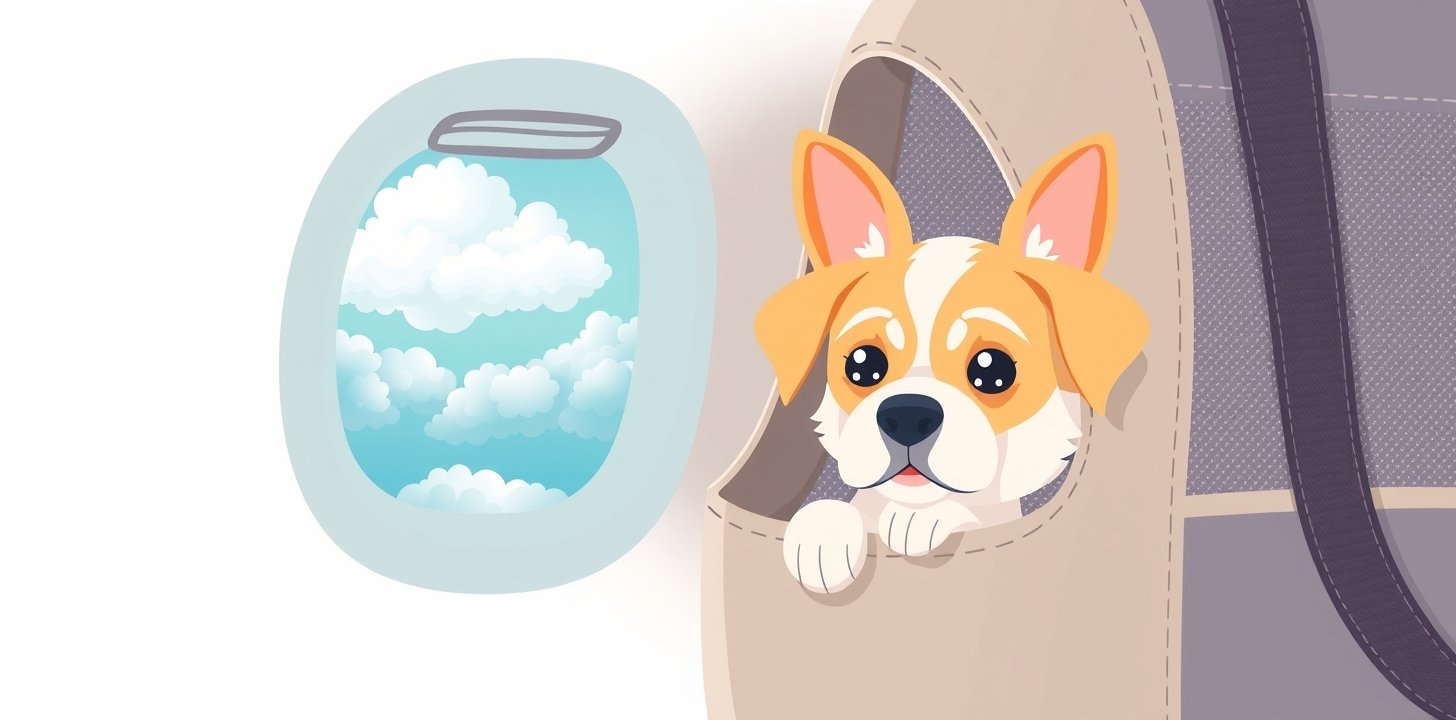
Humans can yawn, swallow, or chew gum to force the tube open. Dogs can’t do any of that on command.
Their narrower Eustachian tubes are also more prone to blockage from mucus or inflammation, which means the pressure imbalance can persist longer and cause more pain. Barotrauma is ear injury from pressure imbalance, and while it’s rare in dogs, it is possible when Eustachian tubes are blocked during significant altitude changes.
The most uncomfortable moments are during the first and last 15 to 20 minutes of a flight, when pressure changes are most dramatic. Direct flights are easier on dogs because they only go through one cycle of ascent and descent instead of two or more.
What Are the Signs of Ear Pain in Dogs on Planes?
Dogs can’t tell you their ears hurt, but their behavior will. Knowing what to watch for lets you respond quickly and help your dog through the worst of it.
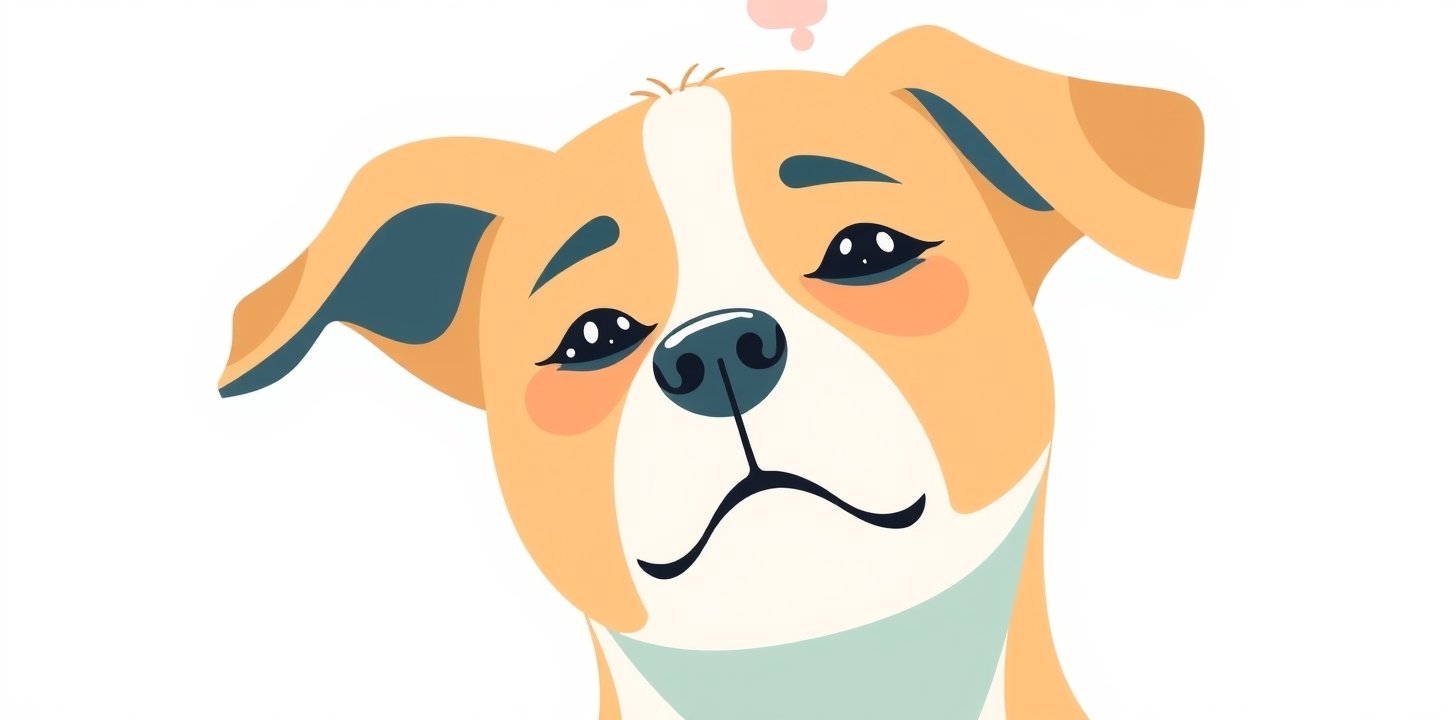
Behavioral Signs of Ear Discomfort
The most common indicators are hard to miss if you know what you’re looking for:
- Scratching or pawing at their ears repeatedly
- Shaking their head side to side
- Whining, whimpering, or unusual vocalization
- Restlessness, pacing in the carrier, or inability to settle
- Tilting their head to one side
These behaviors typically start during ascent and descent. If your dog is calm at cruising altitude but suddenly becomes agitated as the plane begins its approach, ear pressure is the most likely culprit.
When to Worry
Most dogs recover quickly once the plane levels off or after landing. If your dog continues pawing at their ears, whining, or tilting their head for more than an hour after the flight, something more serious may be going on. Persistent symptoms could indicate fluid buildup in the middle ear or, in rare cases, barotrauma.
Schedule a vet visit if symptoms don’t resolve within a few hours of landing. Dogs with pre-existing ear conditions are more likely to experience prolonged discomfort, which is another reason a pre-flight vet check matters.
Key Takeaway: If your dog’s ear-related symptoms persist for more than an hour after landing, see a vet. This could indicate fluid buildup or pressure injury.
How to Prepare Your Dog’s Ears for a Flight
Can flying hurt dog ears? Yes, but these practical, vet-backed steps can significantly reduce your dog’s discomfort. Preparation is everything when it comes to making air travel tolerable for your dog.
Consult Your Vet Before Booking
Before you buy tickets, schedule a vet appointment. Your vet can check your dog’s ears for signs of infection, inflammation, or wax buildup that could block the Eustachian tube during the flight. If your dog has an active ear infection, delay travel until it’s fully resolved. Flying with an ear infection dramatically increases the risk of pain and potential barotrauma.
Ask your vet about pre-flight ear cleaning. If there’s excess wax or debris, a gentle cleaning (done properly, not with cotton swabs jammed into the canal) can help keep the Eustachian tube clear. Only do this if your vet specifically recommends it, since improper cleaning can cause more harm than good.
Tip: Ask your vet to check for ear infections and wax buildup before any flight. If an infection is present, postpone travel until it’s fully treated.
Choose the Right Flight
Direct flights mean one takeoff and one landing. That’s one pressure cycle instead of two or more. If you have the option, always choose nonstop routes. Shorter flights also mean less total time in a pressurized cabin, which reduces cumulative stress on your dog’s ears.
Stay Hydrated Throughout the Journey
Offer your dog small amounts of water before and during the flight. Swallowing helps open the Eustachian tube, which aids in pressure equalization. A collapsible water bowl or a no-spill travel bottle makes this easier in a cramped cabin. Don’t overdo it (you don’t want a full bladder adding to your dog’s discomfort), but regular small sips can make a real difference.
Chew Toys During Takeoff and Landing
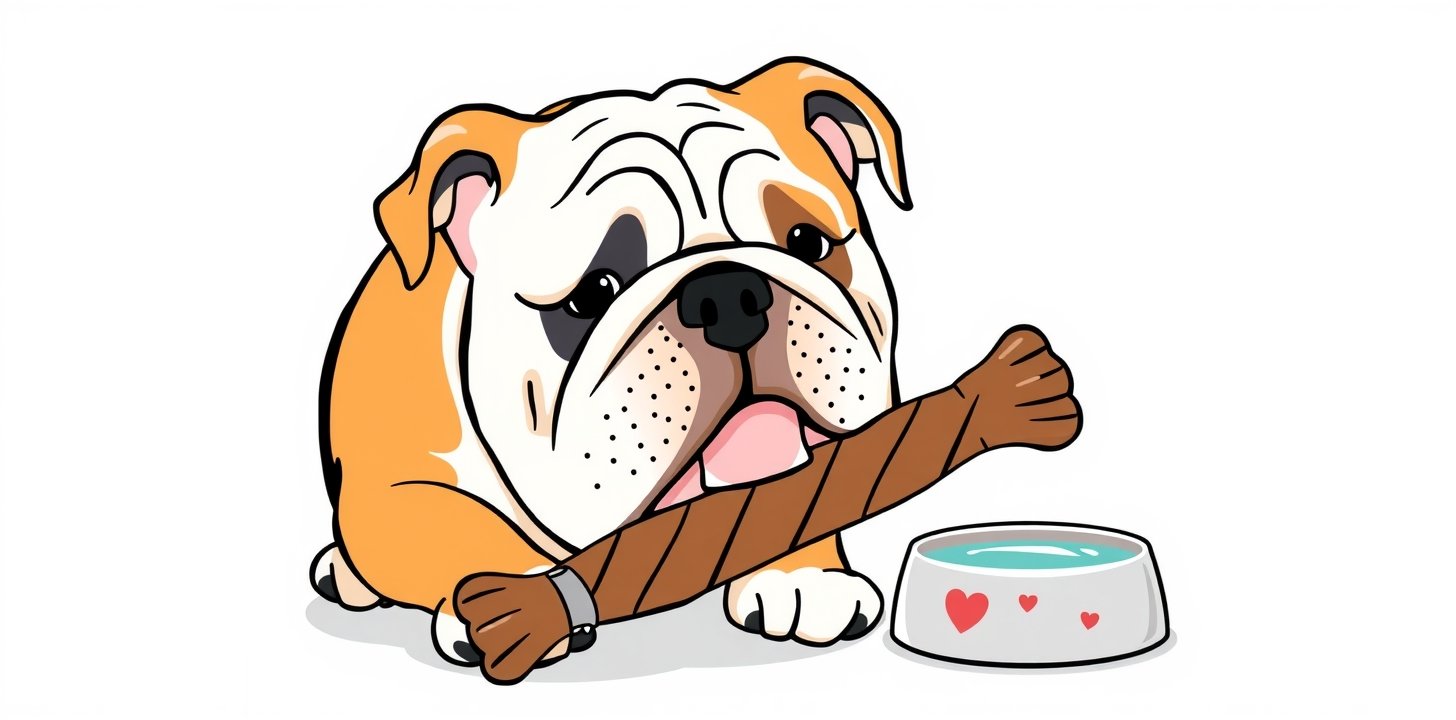
This is one of the most effective and underused strategies for keeping dogs calm on flights. When your dog chews and swallows, the jaw movement and swallowing action physically open the Eustachian tube, allowing air to pass through and balance the pressure on both sides of the eardrum. It’s the canine equivalent of chewing gum on a flight.
Chew toys help dogs’ Eustachian tubes open during flights, particularly during the critical ascent and descent phases. Bring a long-lasting chew like a bully stick, a dental chew, or a durable rubber toy stuffed with peanut butter. Time it so your dog starts chewing just before takeoff and again when the captain announces the initial descent. These are the windows when pressure changes are most intense.
Tip: Give your dog a bully stick or peanut butter-stuffed toy during takeoff and landing. The chewing and swallowing action helps open the Eustachian tube and equalize ear pressure naturally.
Exercise Before the Flight
A tired dog is a calmer dog. Take your pup for a solid walk or play session before heading to the airport. A well-exercised dog is more likely to sleep through the flight, including the pressure changes during ascent and descent. Less anxiety also means less panting and tension, which can indirectly help with pressure regulation.
Create a Calm Environment
Bring familiar items into the carrier: a favorite blanket, a worn t-shirt that smells like you, or a small comfort toy. Familiar scents reduce anxiety, and a calmer dog is less likely to panic when ear pressure shifts occur. Using pheromones for anxious dogs can also help, but check with your vet before using them for the first time.
Do Dogs Need Ear Protection When Flying?
This is a question that comes up constantly, and the answer isn’t straightforward. Dog ear muffs exist and are designed primarily for noise reduction, which can help with the loud cabin environment. Some owners report that their dogs seem calmer with them on, which may indirectly reduce ear-related stress.
However, ear muffs don’t actually help with pressure equalization. They block sound, not air pressure changes. And many dogs simply won’t tolerate wearing them, especially in an already stressful environment. Forcing unfamiliar headgear onto an anxious dog can make things worse.
Ear drops marketed for flight pressure are another option some owners consider. There’s limited veterinary evidence supporting their effectiveness, and using the wrong product can irritate the ear canal. If you’re considering either ear muffs or drops, talk to your vet first. For most dogs, the chewing and hydration strategies above are more practical and better tolerated.
Warning: Dog ear muffs reduce noise but don’t help with pressure equalization. Many dogs won’t tolerate them, and forcing them on an anxious dog can increase stress. Always test at home first.
When to Avoid Flying With Your Dog
While many dogs handle air travel just fine with proper preparation, some situations call for alternative plans. If your dog has a current ear infection, chronic ear problems, or severe flight anxiety, driving or using a pet transport service may be the better call.
Dogs that have had negative reactions to previous flights deserve extra caution. And if your vet specifically advises against flying (common with certain brachycephalic breeds or dogs with respiratory issues), take that advice seriously. No trip is worth risking your dog’s health.
Every dog is different. Some will sleep through a cross-country flight like seasoned travelers, while others will struggle with a short hop. Know your dog, prepare thoroughly, and always prioritize their comfort over convenience. For specific airline requirements, check out guides like our delta airlines pet policy or american airlines pet policy to understand what each carrier requires.
Frequently Asked Questions
Here are the most common questions pet owners ask about dogs’ ears and flying.
Do dogs’ ears pop on planes?
Yes, dogs experience ear pressure changes similar to humans during flights. However, because their Eustachian tubes are smaller and more horizontal, they have a harder time equalizing the pressure, which can cause more discomfort than what humans typically feel.
Do dogs need ear protection when flying?
Not necessarily. Dog ear muffs can help with noise but don’t address pressure changes, which are the main cause of ear pain. Most vets recommend chew toys and hydration during takeoff and landing as more effective strategies. Consult your vet before using any ear protection products.
Can flying cause permanent ear damage in dogs?
Permanent damage is very rare. Most dogs experience temporary discomfort that resolves shortly after landing. However, dogs with untreated ear infections or blocked Eustachian tubes face a small risk of barotrauma. A pre-flight vet check is the best way to prevent complications.
Are certain dog breeds more at risk for ear pain during flights?
Yes. Brachycephalic breeds like Pugs, Bulldogs, and French Bulldogs have compressed airways and shorter Eustachian tubes, making pressure equalization more difficult. Dogs with chronic ear infections or allergies that cause ear inflammation are also at higher risk.
Keeping Your Dog Comfortable in the Air
So, does flying hurt dog ears? It can, but it doesn’t have to be a dealbreaker. The pressure changes during takeoff and landing cause genuine discomfort for dogs, and their ear anatomy makes them more vulnerable than we are. But with the right preparation (a vet check, direct flights, chew toys during ascent and descent, and proper hydration) most dogs can fly comfortably.
Know your dog’s limits. If they’re a brachycephalic breed, have ear issues, or have struggled with flights before, explore alternatives.
For the majority of healthy dogs, though, a well-prepared flight is perfectly manageable. Your job is to plan ahead, watch for signs of discomfort, and respond quickly if they appear. For more comprehensive travel preparation, check out our dog travel essentials guide to ensure you have everything needed for a successful trip.