

So, you’re planning a trip and want to bring your dog along for the ride? That’s fantastic. But before you start packing their favorite chew toy and all the other dog travel essentials, let’s talk about what shots dogs need to fly domestically in the US.
Here’s the short answer: there are no federally mandated dog vaccines for domestic flights. However, rabies proof is required by some states, recommended by the CDC, and expected by certain airlines. Getting the full picture before you book will save you stress, money, and potential problems at the gate.
Let’s break down exactly what you need to know.
What Vaccinations Do Dogs Need to Fly Domestically?

Dogs need no federally mandated vaccinations to fly domestically in the United States, but rabies proof is required by some states and recommended by the CDC. That’s the fact that surprises most pet owners, and it’s worth repeating because so much misinformation floats around online.

The reality is more nuanced than a simple yes or no. While the federal government doesn’t require specific shots for domestic air travel, you’re dealing with a patchwork of state laws, airline policies, and common-sense health precautions. Skipping vaccinations because they’re not “required” is a gamble most responsible dog owners shouldn’t take.
Key Takeaway: No federal vaccination mandate exists for dogs on domestic US flights, but individual states and airlines may enforce their own requirements.
Rabies: Is It Required for Domestic Dog Flights?
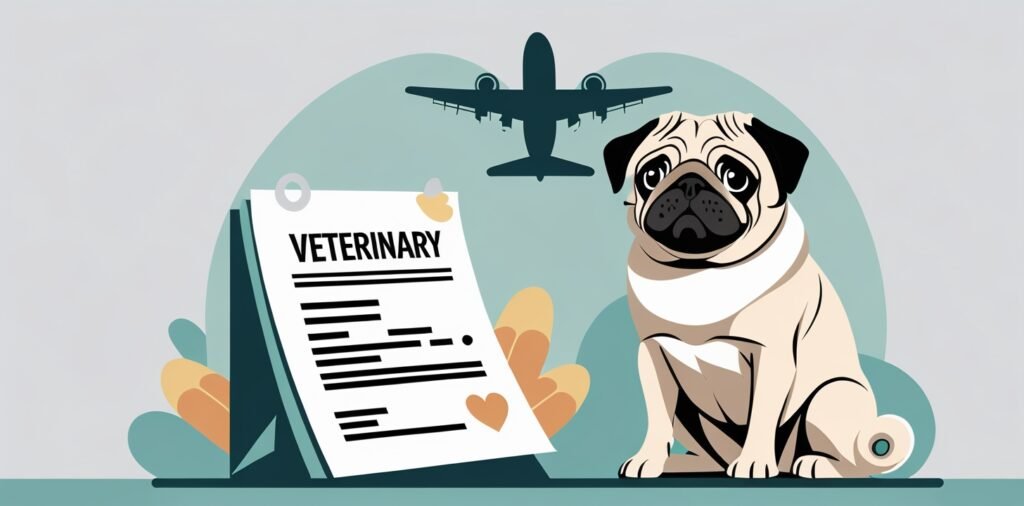
Does your rabies vaccine certificate suffice for domestic dog flights? It depends entirely on where you’re flying. While the rabies vaccine isn’t federally mandated for domestic air travel, it’s strongly recommended by the Centers for Disease Control and Prevention (CDC) for all dogs.
Rabies is fatal for dogs and humans if left untreated, and it’s present in all 50 states. Some states require proof of a current rabies vaccination for any dog entering their borders, even on a domestic flight. If you’re caught without documentation in one of those states, you could face quarantine requirements or be turned away entirely.
The rabies vaccine certificate for dogs flying domestically should show the vaccination date, the product used, and the expiration date. Most states accept a certificate showing vaccination within the last one to three years, depending on the vaccine type administered.
Warning: Flying to Hawaii without a current rabies vaccination and titer test can result in your dog being quarantined for up to 120 days at your expense.
How to Get a Health Certificate for Dog Domestic Flights
A health certificate is a clean bill of health from a licensed veterinarian, typically issued within 10 days of travel. It certifies that your dog is healthy, fit to fly, and free from infectious diseases.
While not a vaccination itself, the health certificate for dog domestic flights is closely tied to rabies documentation. Many states that require health certificates also require proof of rabies vaccination as part of that certificate. Your vet will examine your dog, verify vaccination records, and issue the certificate during a single appointment.
Here’s how the process works:
- Schedule a vet visit within 10 days of your departure date (some states require 7 days).
- Bring your dog’s complete vaccination records, including the rabies certificate.
- Your vet performs a physical exam and signs the health certificate.
- Some states require the certificate to be endorsed by the USDA APHIS office, so check your destination’s rules.
Tip: Schedule your health certificate appointment early in the allowed window. If your vet finds an issue that needs treatment, you’ll have time to address it before your flight.
Core vs Non-Core Dog Vaccines for Flights

Core vaccines are the four essential shots recommended by the ASPCA for all dogs regardless of travel: parvovirus, distemper, adenovirus (hepatitis), and rabies. These protect against serious, potentially life-threatening diseases that your dog could encounter anywhere in the country.
While core vaccines aren’t required for domestic air travel, having them up to date is genuinely important for your dog’s health. Airports, pet relief areas, and airline cargo holds expose your dog to environments where other animals have been. An unvaccinated dog in those settings is at real risk.
What Are Core Vaccines?
The four core vaccines cover the diseases that pose the greatest threat to dogs across all regions and lifestyles.
Parvovirus is highly contagious and often fatal in unvaccinated dogs, especially puppies. Distemper attacks the respiratory, gastrointestinal, and nervous systems. Adenovirus (hepatitis) targets the liver and can cause severe illness. Rabies is the only one with legal implications for travel, but all four matter for your dog’s safety.
Why Get Them for Flights?
Air travel puts your dog in contact with shared spaces, other animals, and new environments. Pet relief areas at airports are used by hundreds of dogs. Cargo holds, while cleaned, aren’t sterile. A dog with current core vaccinations has a strong immune defense against the most dangerous diseases they might encounter during travel.
Think of it as basic protection, not optional extras. You wouldn’t skip your own vaccinations before traveling to a new place.
Non-Core Vaccines Worth Considering
Depending on your dog’s lifestyle, health status, and destination, your vet might recommend some non-core vaccines. These include:
- Bordetella (kennel cough): Especially relevant if your dog will board, visit dog parks, or be in close quarters with other dogs during your trip.
- Canine influenza: Increasingly common in urban areas and boarding facilities.
- Lyme disease: Worth considering if you’re traveling to the Northeast or Upper Midwest.
- Leptospirosis: A concern in areas with standing water or wildlife exposure.
These aren’t typically required for air travel, but they’re worth discussing with your vet based on your specific itinerary. My dog Woody, for example, is vaccinated against kennel cough because he’s a social guy who loves meeting other dogs wherever we go.
Puppy Vaccinations Before Flying Domestic
Puppies and adult dogs follow different vaccination timelines, and this matters when you’re planning air travel. A puppy that hasn’t completed its full vaccine series is more vulnerable to disease and may not meet certain state or airline requirements.
| Vaccine | Puppy Schedule | Adult Schedule |
|---|---|---|
| Parvovirus | 6-8 weeks, boosters every 3-4 weeks until 16 weeks | Every 1-3 years after initial series |
| Distemper | 6-8 weeks, boosters every 3-4 weeks until 16 weeks | Every 1-3 years after initial series |
| Adenovirus (Hepatitis) | 6-8 weeks, boosters every 3-4 weeks until 16 weeks | Every 1-3 years after initial series |
| Rabies | First dose at 12-16 weeks | Booster at 1 year, then every 1-3 years |
| Bordetella | As early as 8 weeks | Annually or every 6 months |
Most veterinarians recommend waiting until a puppy has completed its core vaccine series before flying. That typically means no air travel before 16 weeks of age at the earliest.
Warning: Puppies under 16 weeks old have incomplete immune protection. Most airlines also set minimum age requirements of 8-16 weeks, and flying before the vaccine series is complete puts your puppy at significant risk.
Breed and Size Considerations for Vaccinations

Not all dogs face the same risks during air travel, and breed can play a role in vaccination decisions. Brachycephalic breeds (flat-faced dogs like Bulldogs, Pugs, and Boston Terriers) are already at higher risk for respiratory distress during flights. If your brachycephalic dog develops kennel cough or canine influenza on top of existing breathing challenges, the situation can become dangerous quickly.
For these breeds, the Bordetella and canine influenza vaccines move from “nice to have” to “strongly recommended” before any flight. Giant breeds traveling in cargo should also be current on all core vaccines, since cargo hold environments carry more exposure risk than cabin travel.
Talk to your vet about your specific dog’s breed, size, and health history when planning pre-flight vaccinations. A tailored approach is always better than a generic checklist. If you’re wondering about specific breed considerations, our bulldog travel guide covers the unique challenges flat-faced breeds face during air travel.
What Do Airlines Require for Dog Vaccinations?
Do airlines require dog vaccinations for domestic US flights? Most major airlines do not mandate specific vaccinations for domestic travel, but policies vary by carrier and can change without much notice. Always verify directly with your airline within a week of your flight.
Here’s a comparison of current policies from five major US carriers:
| Airline | Rabies Proof Required? | Health Certificate Required? | Minimum Age | Pet Fee (Cabin) |
|---|---|---|---|---|
| United Airlines | No | No (recommended) | 4 months | $125 |
| Delta Air Lines | No | Yes (for cargo) | 10 weeks (cabin), 16 weeks (cargo) | $125-$200 |
| American Airlines | No | Yes (for cargo) | 8 weeks | $150 |
| Southwest Airlines | No | No (recommended) | No minimum stated | $125 |
| Alaska Airlines | No | Yes (for cargo) | 8 weeks | $100 |
Key Takeaway: Most major US airlines do not require rabies proof for domestic cabin travel, but health certificates are commonly required for dogs traveling as cargo.
United Airlines Vaccine Rules
United doesn’t require rabies vaccination or health certificates for dogs flying in-cabin domestically. They do require an airline-approved carrier that fits under the seat and payment of the pet fee. However, if your destination state requires a health certificate, United expects you to have one regardless of their own policy.
Delta Air Lines Specifics
Delta airlines pet policy requires a health certificate for dogs traveling as checked pets or cargo but not for in-cabin travel on domestic routes. Dogs must be at least 10 weeks old for cabin travel and 16 weeks for cargo. Delta also reserves the right to refuse any animal that appears ill, so having vaccination records on hand is a practical safeguard.
American Airlines Requirements
American airlines pet policy requires a health certificate for cargo travel and recommends one for cabin travel. They don’t mandate specific vaccinations for domestic flights, but their health certificate requirement for cargo effectively means your dog needs a recent vet exam and up-to-date records.
Southwest Airlines Policy
Southwest airlines pet policy is relatively straightforward. No vaccination proof or health certificate is required for domestic cabin travel. They do require a carrier and the pet fee. That said, Southwest only allows small dogs in the cabin, and they don’t offer cargo pet transport at all.
Alaska Airlines Rules
Alaska pet policy requires a health certificate for dogs traveling in cargo and recommends current vaccinations for all traveling pets. Their in-cabin policy is more relaxed, but they can request documentation at check-in, so it’s wise to carry your records.
State-Specific Vaccination Rules for Dogs Flying Domestically

State requirements are where things get complicated. Each state sets its own rules for animals entering its borders, and these rules apply whether you’re driving or flying. Failing to check your destination state’s requirements is one of the most common mistakes pet owners make.
Here are the rules for five states that generate the most questions:
| State | Rabies Vaccine Required? | Health Certificate Required? | Certificate Validity | Special Notes |
|---|---|---|---|---|
| Hawaii | Yes + titer test | Yes | 10 days before arrival | 120-day pre-arrival rabies protocol; quarantine possible |
| California | Yes | Yes (within 10 days) | 10 days | Dogs must be vaccinated at least 30 days before entry |
| New York | Yes | Yes (within 30 days) | 30 days | Rabies vaccine must be current; no titer test needed |
| Texas | Yes | Recommended | 10 days | Required for dogs under 12 weeks if unvaccinated |
| Florida | Yes | Yes (within 30 days) | 30 days | Rabies vaccine required for all dogs over 4 months |
Hawaii is the strictest state by far. Dogs entering Hawaii must have a current rabies vaccination, a rabies antibody titer test performed at an approved lab, and documentation showing the titer test was done at least 120 days before arrival. Without this, your dog faces mandatory quarantine that can last up to 120 days at your expense. For detailed guidance on this process, check our avoiding pet quarantine in hawaii guide.
California requires dogs to have a rabies vaccination administered at least 30 days before entry, along with a health certificate issued within 10 days of arrival. New York and Florida both require current rabies vaccination and health certificates but are less restrictive on timing.
Texas is more relaxed for adult vaccinated dogs but does require documentation for puppies under 12 weeks that haven’t yet received their rabies shot.
Tip: Check your destination state’s Department of Agriculture website 4-6 weeks before your trip. Requirements can change, and some states have seasonal rules for specific diseases.
Preparing Your Dog for Air Travel: Beyond Vaccinations

Vaccinations are just one piece of the puzzle. Here are the other essentials to address before your flight:
- Health check: Make sure your dog is healthy enough for travel. If your dog has any existing health conditions, consult with your vet before booking.
- Carrier training: Get your dog comfortable in their travel carrier well before the flight. This significantly reduces stress during the journey.
- Pack a travel kit: Include food, water, a leash, waste bags, and any necessary medications.
- ID and documentation: Make sure your dog has proper identification, including a collar with ID tags and a microchip.
- Exercise before the flight: A well-exercised dog is more likely to rest during the flight. Just don’t feed them too close to departure time.
For comprehensive preparation guidance, our dog travel essentials guide covers everything you need to pack for a successful trip. If your dog gets anxious during travel, consider reading about keeping dogs calm on flights for additional strategies.
Tip: Start carrier training at least two weeks before your flight. Place treats and meals inside the carrier so your dog associates it with positive experiences, not just travel stress.
Frequently Asked Questions
Here are the most common questions pet owners ask about dog vaccines for domestic flights.
Do dogs need a rabies vaccine to fly within the US?
No federal law requires a rabies vaccine for domestic flights. However, many individual states require proof of rabies vaccination for dogs entering their borders, and the CDC strongly recommends it for all dogs.
Can I fly with a puppy that hasn’t finished its vaccinations?
Most airlines require puppies to be at least 8-16 weeks old, and veterinarians recommend completing the core vaccine series before air travel. Flying with an incompletely vaccinated puppy puts them at risk for serious diseases.
Do I need a health certificate to fly with my dog domestically?
It depends on your airline and destination state. Most airlines require health certificates for cargo travel but not cabin travel. Several states require health certificates for all dogs entering their borders, regardless of how they arrive.
How far in advance should I visit the vet before flying with my dog?
Schedule your vet visit within 10 days of departure to meet most health certificate requirements. If your dog needs any vaccinations or boosters, schedule those at least 2-4 weeks before travel so they take full effect.
Does Hawaii really quarantine dogs arriving from other US states?
Yes. Hawaii enforces strict rabies prevention protocols. Dogs arriving without a completed 120-day pre-arrival rabies protocol (including a titer test from an approved lab) can be quarantined for up to 120 days at the owner’s expense.