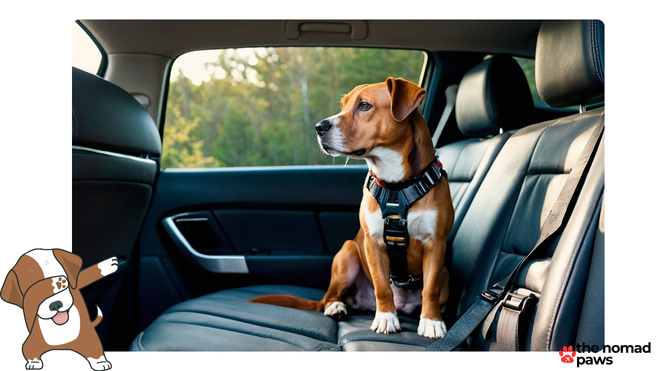


Your dog doesn’t care about paperwork, but a missing form can end your trip before it starts. The EU pet travel rules for 2026 are shifting, and this guide covers exactly what’s changing, what isn’t, and how to check your own trip before you book.
Here is the honest headline behind the headline: nothing is being torn up and rewritten from scratch. What’s happening is quieter and more practical.
The EU is tightening checks and pushing towards digital paperwork, while the core foundations (microchip, rabies vaccination, and sometimes a tapeworm tablet) stay largely the same.
So this isn’t a scary “everything has changed” piece. It’s a “don’t get caught out, and here’s exactly how to check your own trip” piece.
Key Takeaway: The core change for 2026 is direction, not demolition. Expect more digitalisation of certificates and stricter checks, not a total overhaul. The microchip, rabies vaccination and Animal Health Certificate framework UK owners already know still applies.

What’s Actually Changing in the EU’s Pet Travel Rules for 2026
EU pet travel sits inside a wider legal framework, the Animal Health Law, which consolidated the EU’s animal health rules from 2021 onwards. Pet movement specifically is governed by the EU’s non-commercial pet movement rules.
The 2026 shift is about tidying and tightening, not reinventing. Two themes stand out.
First, digitalisation. The EU has signalled it wants to move official animal health certification onto digital systems, including its existing TRACES platform, which could eventually reduce reliance on paper documents.
Second, stricter checks. Border and carrier checks on documentation and microchips are being applied more consistently, which means sloppy or expired paperwork is more likely to be caught, not less.
Warning: Rules in this area genuinely do change, and forward-looking digital plans can shift. Treat this article as your map, not your final answer. Always confirm the current position with your vet and the destination country before you book.
The Paperwork You Actually Need Now
If you’re travelling from the UK, this is the part that trips people up the most.
Since 1 January 2021, the UK has been treated as a “third country” for EU pet travel. That single fact changes everything about your paperwork.
For a UK dog heading to the EU, you need an Animal Health Certificate (AHC).
Animal Health Certificate (AHC): an official document completed by an Official Veterinarian (OV) confirming your dog meets EU entry requirements. It replaces the old GB pet passport for travel from Great Britain to the EU.
The AHC must be issued within a short window before you travel, commonly cited as no more than 10 days before entry into the EU. Once issued, it typically covers onward travel within the EU for a set period, often cited as up to 4 months, or until the rabies vaccination expires, whichever comes first.
Because these day-counts occasionally get adjusted, confirm the exact current figures on the gov.uk “Taking your pet abroad” guidance before you book your vet appointment.
Animal Health Certificate vs the Old Pet Passport
Here is the confusion in one place.
| Document | Who it’s for | Valid for EU entry from GB? |
|---|---|---|
| GB pet passport (the old blue one) | Issued in Great Britain before 2021 | No, not valid for EU entry |
| Animal Health Certificate (AHC) | UK dogs travelling to the EU now | Yes, this is what you need |
So many guides still get this wrong because EU pet passports still exist and are still valid, just not the GB-issued ones. If someone hands you an old blue GB passport as “proof” you’re sorted, they’re working from outdated information.
Microchips and Vaccinations: What Hasn’t Changed
The foundations here are stable and familiar.
- An ISO-compliant microchip. Your dog must be chipped with a readable ISO 11784/11785 microchip.
- A valid rabies vaccination. The order matters. Your dog must be microchipped before or at the same time as the rabies jab, otherwise the vaccination may not count.
- The 21-day wait. After a first (primary) rabies vaccination, you generally wait 21 days before travelling. In-date boosters usually don’t need that wait.
None of this is new for 2026, and that’s the point. If your dog’s rabies record is current and correctly sequenced, you’re standing on solid ground.
Why You Still Have to Check Country by Country
This is the honest core of the whole article, so read it twice.
There is an EU baseline, and then individual member states add their own requirements on top. The rules are not identical in every country.
That’s why a single “definitive EU rulebook” is a bit of a fantasy. What actually protects you is checking the specific country you’re landing in.
A few illustrative examples worth checking (not an exhaustive list):
- Finland, Ireland and Malta have long required an extra tapeworm treatment before entry.
- France is a common first entry and transit point, so many UK travellers meet the standard EU baseline there before driving onward.
- Multi-leg trips (say UK to France, then onward to Spain) can get fiddly, because an add-on requirement may apply depending on where you actually land or transit.
Tapeworm Treatment and Other Entry Extras
This is the classic “caught out at the last minute” rule.
Finland, Ireland, Norway and Malta are the well-established destinations that require a tapeworm (Echinococcus) treatment before your dog arrives.
Here’s the catch. The treatment must be given by a vet and recorded, and it’s timed to a window before arrival, typically between 1 and 5 days before you get there.
That’s a narrow window, and it’s tied to when you land, not when you leave home. Get a long journey wrong and you can miss it entirely.
Because country lists and exact windows can be adjusted, confirm the current rule directly with the destination country’s animal health authority (for example Ireland’s agriculture department, the Finnish Food Authority, Norway’s Mattilsynet, or Malta’s veterinary directorate) and with gov.uk’s pet travel guidance.
The Shift Towards Digital Pet Travel Documents
Here’s the “watch this space” bit.
Digital pet travel document: an electronic version of official pet certification, potentially issued and checked through EU digital systems rather than on paper.
The EU already runs a digital certification platform, TRACES, for various official animal health processes. There’s genuine policy momentum towards extending digital certification into pet travel to cut down on paperwork.
Over time this could mean fewer paper AHCs and smoother border checks. It does not mean you should assume anything is fully digital yet.
No firm rollout date or country list is confirmed at the time of writing. Before you travel, check the European Commission’s pet travel pages for the current status, and assume paper documentation is still required until you’ve confirmed otherwise.
Your Pre-Travel Checklist
Keep this simple and work backwards from departure day.
- 6 weeks out: confirm your dog’s microchip is readable and their rabies vaccination is in date and correctly sequenced (chip before jab). Book anything that needs boosting now.
- 4 weeks out: check the specific requirements for your destination country, and any country you’ll transit or land in on a multi-leg trip.
- 3 to 4 weeks out: check your airline’s or ferry operator’s own pet carriage rules (breed, crate size, cabin versus hold, weight limits). Carriers set these, not the EU, and they change often.
- Within 10 days of travel: book your Official Veterinarian appointment to get the Animal Health Certificate issued inside its valid window.
- 1 to 5 days before arrival: if your destination requires it (Finland, Ireland, Norway, Malta), get the vet-administered tapeworm treatment done and recorded in the correct window.
- Departure day: carry every document physically, double-check names and microchip numbers match, and arrive early for the pet check.
Use Mikke to find a proper leg-stretch and check local off-lead rules before a long travel day, or once you’ve landed in your EU destination.
Get Mikke free → Community-built dog walking routes · free on iOS and AndroidHow to Verify Your Dog’s Requirements Before You Book
No blog, including this one, is your final authority. Here’s who is.
- Your Official Veterinarian (OV): the vet who issues the AHC, and your first stop for any UK dog going to the EU.
- gov.uk “Taking your pet abroad” (DEFRA/APHA): the UK government’s central guidance and country-specific checker.
- The European Commission’s pet travel pages: for the EU-wide baseline and digital certification updates.
- The destination country’s embassy or national veterinary authority: for country-specific add-ons like tapeworm windows or import permits.
One more thing for anyone moving multiple dogs or relocating permanently. Commercial versus non-commercial movement rules still apply, and moving above the standard pet limit, or moving dogs for sale or transfer of ownership, can push you into a different and usually stricter certification process. Confirm the current thresholds before you plan.
FAQ
Do UK dogs still need an Animal Health Certificate to enter the EU in 2026?
Yes. UK dogs travelling to the EU still need an Animal Health Certificate issued by an Official Veterinarian, because the UK is treated as a third country. Confirm the current issuing window on gov.uk before booking.
What is actually changing with EU pet travel rules in 2026?
The main shift is towards digitalisation of official certification and stricter, more consistent checks, not a total rewrite of the rules. The microchip, rabies and AHC framework you already know still applies.
Is the old blue EU pet passport still valid for travel?
GB-issued pet passports are not valid for entering the EU from Great Britain. EU-issued pet passports still exist and remain valid, but UK travellers now need an Animal Health Certificate instead.
Does my dog need tapeworm treatment before entering the EU?
Only for certain destinations. Finland, Ireland, Norway and Malta have long required a vet-administered tapeworm treatment, usually given 1 to 5 days before arrival. Check the destination country’s animal health authority to confirm.
How far in advance should I book my dog’s Animal Health Certificate appointment?
Book it so the certificate is issued within the required window before travel, commonly no more than 10 days before you enter the EU. Confirm the exact current window on gov.uk before you plan your vet visit.
Are the EU’s pet travel rules the same in every member state?
No. There is an EU baseline, but individual member states can add their own requirements on top, such as tapeworm treatment. Always check the specific country you’re entering rather than relying on general guidance.
What happens if my dog’s paperwork isn’t in order at the border?
You risk being refused entry or turned away at check-in, which can mean cancelled travel plans and extra cost. The best protection is confirming every requirement with your vet, gov.uk and the destination country before you book.